



The Monsoon Flea and Tick Explosion
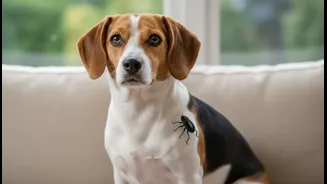
The Indian monsoon creates a perfect storm for parasites. The high humidity, warmth, and dampness provide an ideal breeding ground for fleas and ticks to multiply rapidly. Your pet can pick them up from a short walk in the park, the building compound,
or even from damp corners of the house. This isn't just about an annoying itch; a severe infestation can lead to skin infections, allergic reactions, anaemia, and dangerous tick-borne diseases like Babesiosis and Ehrlichiosis, which are rampant during this season in India. The constant moisture also means a pet's coat may not dry properly, leading to fungal and bacterial skin issues that can be mistaken for, or complicated by, a flea problem.
Understanding High-Dose Pills
The pills in question often belong to a class of drugs called isoxazolines. Marketed under brand names like Bravecto, Nexgard, and Simparica, they are popular because they are effective and convenient, offering protection for a month or even longer with a single chewable tablet. These medications work systemically, meaning the active ingredient is absorbed into the pet's bloodstream. When a flea or tick bites, it ingests the chemical and is killed. This is highly effective, but it also means you are introducing a potent insecticide into your pet's body.
The Hidden Neurological Risks
While these drugs are generally considered safe for most pets, regulatory bodies like the U.S. Food and Drug Administration (FDA) have issued alerts regarding potential neurological side effects. Adverse reactions can include muscle tremors, ataxia (loss of coordination or stumbling), and even seizures. Critically, these reactions can occur even in pets with no prior history of neurological problems. While the overall incidence may be low, the risk is real. For pets with pre-existing conditions, a compromised immune system, or certain genetic markers, the danger may be higher. A vet is trained to assess these individual risk factors.
Why Your Vet Is Your First Line of Defence
A veterinarian does more than just sell you a pill. Their consultation is a crucial safety check. They will perform a physical exam, take a detailed history, and consider your pet's specific health profile. Key factors include your pet's exact weight (which determines the correct dosage), age, breed, and any underlying health issues like liver or kidney problems, or a history of seizures. The vet also ensures the symptoms you're seeing are actually from fleas and not another monsoon-related skin condition that requires different treatment. This personalised risk assessment is something you simply cannot do on your own, and buying medication without it is a gamble.
The Dangers of Self-Prescribing
It can be tempting to buy medication online or from a local store without a prescription, but this carries significant risks. You might administer the wrong dose, which can be ineffective or toxic. Furthermore, the market is unfortunately rife with counterfeit pet products that may look genuine but contain incorrect ingredients or even harmful substances, leading to severe illness or worse. A vet ensures you get a legitimate, effective product at the precise dose your specific pet needs for their current health status and body weight. They can also recommend a complete parasite control plan, including topical treatments, shampoos, and environmental management, which are vital during the high-risk monsoon season.