




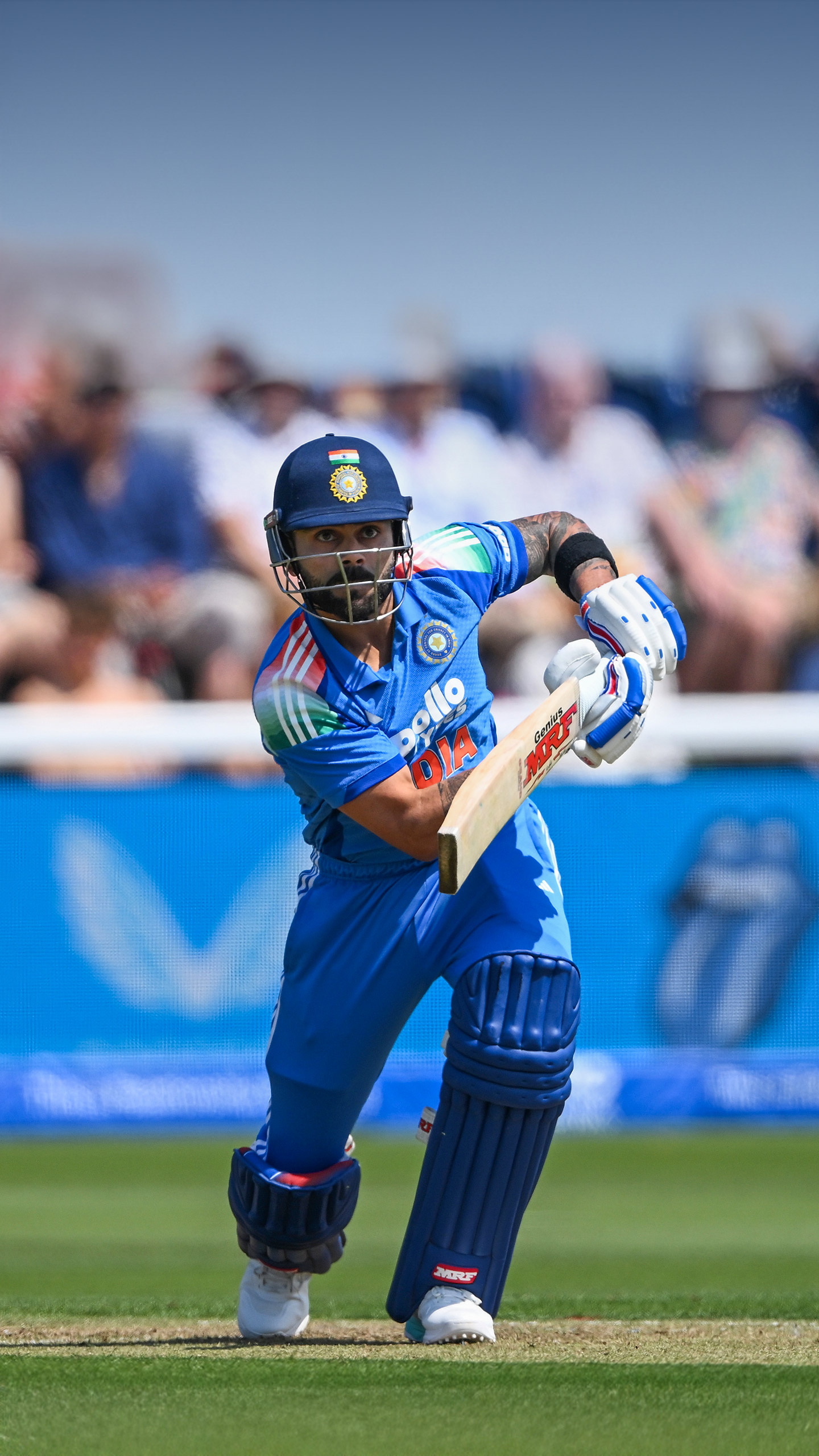
The 2026 Biopic Pitch Controversy
In a strange turn of events, the filming of Sourav Ganguly's biopic, reportedly titled 'Dada,' became entangled in a County Championship crisis in September 2026. Leicestershire County Cricket Club faced a massive 27-point deduction after being found
guilty of preparing a "poor" pitch for their match against Glamorgan. In their defense, the club's groundsman cited several factors, including an "unscheduled Bollywood filming event" for the biopic that took place at the ground four days before the match. He claimed the shoot prevented him from covering and working on the pitch. However, the Cricket Discipline Panel dismissed this as a significant mitigating factor and imposed the heavy penalty, leaving the club facing relegation. The film's producers, LUV Films, clarified that the shoot was planned with all necessary permissions in place. This bizarre incident serves as a peculiar modern-day echo of a far more direct and famous pitch battle involving Ganguly himself.
The Stage is Set: Headingley 2002
To find the original drama, we must rewind to August 2002. The Indian team, led by a fiercely competitive Sourav Ganguly, was in England for a four-Test series. After a loss at Lord's and a draw at Trent Bridge, the series was poised at 1-0 in England's favour. The third Test was at Headingley in Leeds, a venue notorious for its green, seam-friendly wickets that traditionally favoured English bowlers. Ganguly’s captaincy was defined by a new, aggressive attitude; he was building a team that wouldn't be intimidated, especially on foreign soil. This philosophy, of fighting fire with fire, was about to be put to its ultimate test.
An Unthinkable Decision
When Ganguly won the toss under heavy, overcast skies on a green-tinged pitch, every cricket expert expected him to bowl first. It seemed the logical choice to unleash his seamers in conditions tailor-made for them. In a move that left the press box gasping, Ganguly announced that India would bat. It was a decision of immense bravery, bordering on madness. It was a direct challenge to the conditions and to the English team led by Nasser Hussain. Ganguly was backing his batsmen to survive the treacherous early conditions to build a foundation. He also made another bold selection call, picking two front-line spinners, Anil Kumble and Harbhajan Singh, on what was supposed to be a seamer's paradise.
Turning the Tables
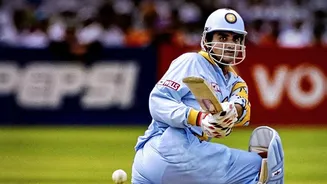
The controversy surrounding the pitch was less about official complaints and more about mind games and subverting expectations. While there were no proven accusations of 'doctoring,' the pitch did not behave as expected. It was uncharacteristically dry, which blunted the English pace attack and later brought India's spinners into the game, just as Ganguly had gambled. The decision to bat first paid off spectacularly. After a gritty start, Rahul Dravid crafted a masterly 148. He was followed by Sachin Tendulkar, who scored a magnificent 193, and Ganguly himself, who hit a blistering 128. India declared at a mammoth 628 for 8. The English team, mentally and physically exhausted, crumbled against India’s spinners on the wearing pitch. Kumble and Harbhajan shared 11 wickets as India romped to a famous victory by an innings and 46 runs to level the series.
A Legacy of Defiance
The Headingley Test of 2002 perfectly encapsulates the 'Ganguly effect' on Indian cricket. It wasn't just a win; it was a statement. By choosing to bat, Ganguly defied conventional wisdom and seized control of the narrative. He beat England at their own game, not by trying to out-seam them, but by trusting his own team's strengths. Nasser Hussain later admitted his side was completely outplayed. This match, born from a controversial decision on a contentious pitch, became a cornerstone of Ganguly's legacy. It solidified his reputation as a captain who was not just a leader, but a strategist willing to take huge risks to change the ingrained culture of being 'lambs abroad.'