




The Gut-Brain Superhighway
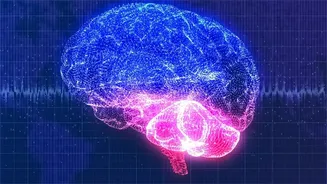
You've likely heard the term 'gut feeling,' but it's more than just an old saying. Your gut and brain are in constant communication through a complex network often called the gut-brain axis. This bidirectional superhighway involves the nervous system,
hormones, and the immune system, with the vagus nerve acting as a primary direct link. This means what happens in your digestive system doesn't just stay there; it can significantly influence your mood, stress levels, and cognitive functions like focus and memory. In fact, your gut is often referred to as a 'second brain' because it houses its own nervous system and produces many of the same neurotransmitters as the brain, including over 90% of your body's serotonin.
Probiotics: The 'Good' Bacteria for Your Brain
At the heart of a healthy gut are trillions of microorganisms, collectively known as the gut microbiome. Probiotics are live, beneficial bacteria that help maintain a healthy balance in this internal ecosystem. Research suggests that these 'good' bacteria play a crucial role in brain health. They help produce essential neurotransmitters like dopamine and serotonin, which are vital for mood regulation and concentration. An imbalance in gut bacteria can lead to inflammation and reduced neurotransmitter production, which may contribute to feelings of fatigue and difficulty focusing. By introducing probiotics, you help restore this balance, supporting the gut's ability to communicate effectively with the brain.
Fiber: The Fuel for a Focused Mind
If probiotics are the 'good' bacteria, then fiber is their favourite food. Specifically, prebiotic fiber acts as fuel for your beneficial gut microbes. When these microbes ferment fiber, they produce compounds called short-chain fatty acids (SCFAs), such as butyrate. These SCFAs are incredibly important; they strengthen the gut lining, reduce inflammation, and can even travel to the brain to influence memory and learning. A diet rich in fiber also helps stabilize blood sugar levels. This prevents the sharp spikes and crashes in energy that can leave you feeling drained and unable to concentrate, providing a steady supply of fuel for your brain throughout the day.
Easy Probiotic Foods to Add to Your Diet
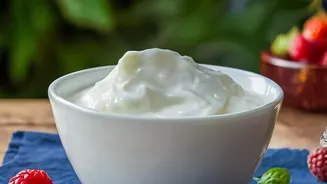
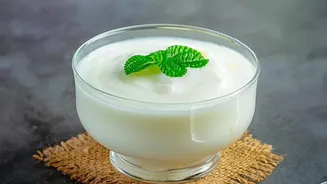
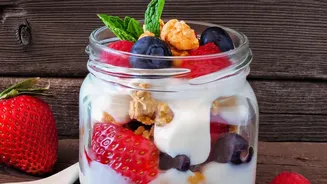
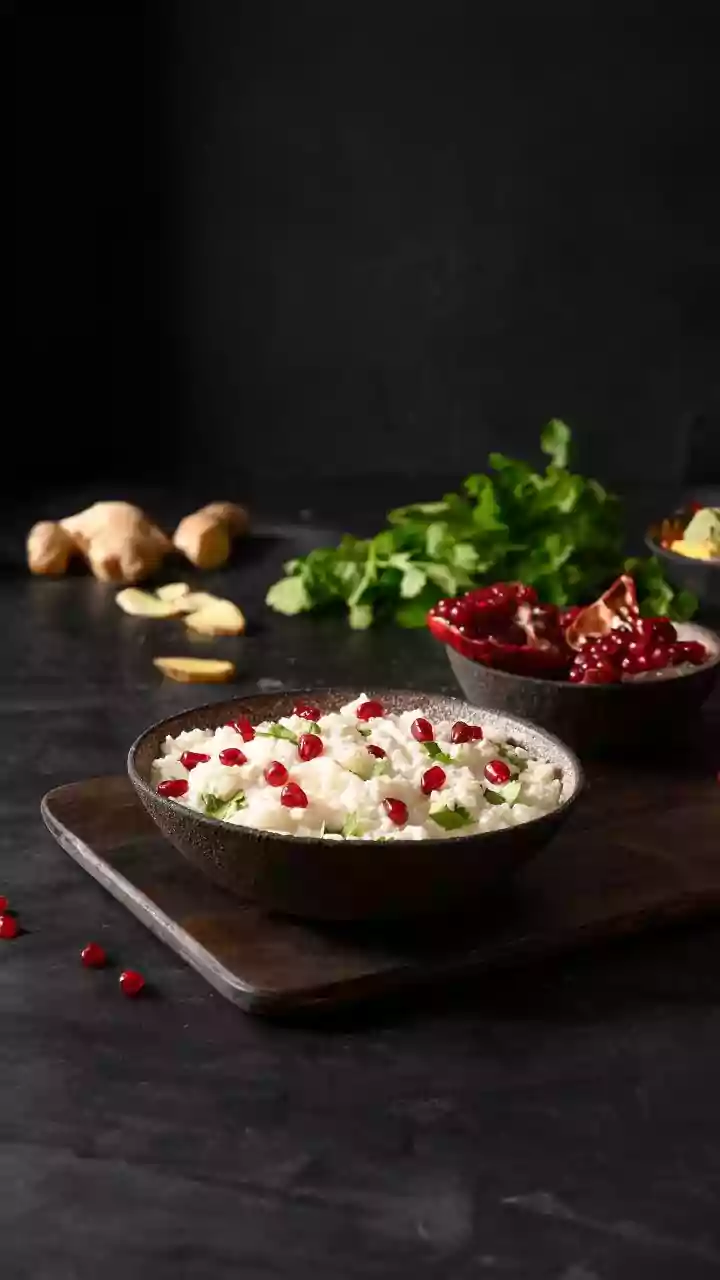
Incorporating probiotics into your Indian diet is simpler than you might think. Many traditional foods are naturally rich in these beneficial microbes. Start with homemade Dahi (curd), a staple in most households and an excellent source of live cultures. Chaas (buttermilk) is another fantastic, light option that aids digestion. South Indian staples like Idli and Dosa are made from fermented batter, which is packed with probiotics. Even traditional, homemade pickles (achar) and fermented drinks like Kanji can contribute to a diverse and healthy gut microbiome.
Finding Your Fiber in Everyday Meals
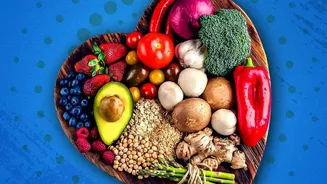
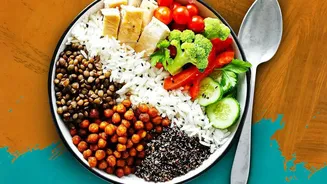
Boosting your fiber intake is all about embracing whole foods. Pulses and legumes are powerhouses of both fiber and protein; think of your daily dal, chana masala, or rajma. Millets like jowar, bajra, and ragi are excellent sources of prebiotic fiber that feed your good gut bacteria. Don't forget your vegetables—seasonal and leafy greens like palak (spinach) and methi (fenugreek), along with other sabzis like bhindi (okra) and lauki (bottle gourd), are loaded with fiber. Choosing whole wheat atta for your rotis and incorporating brown rice or other whole grains also makes a significant difference in meeting your daily fiber needs.