

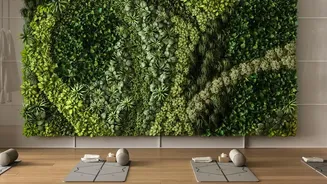


Find and Clear Your Corner
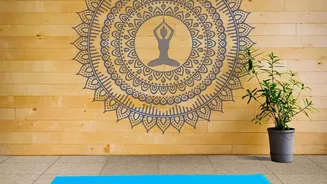
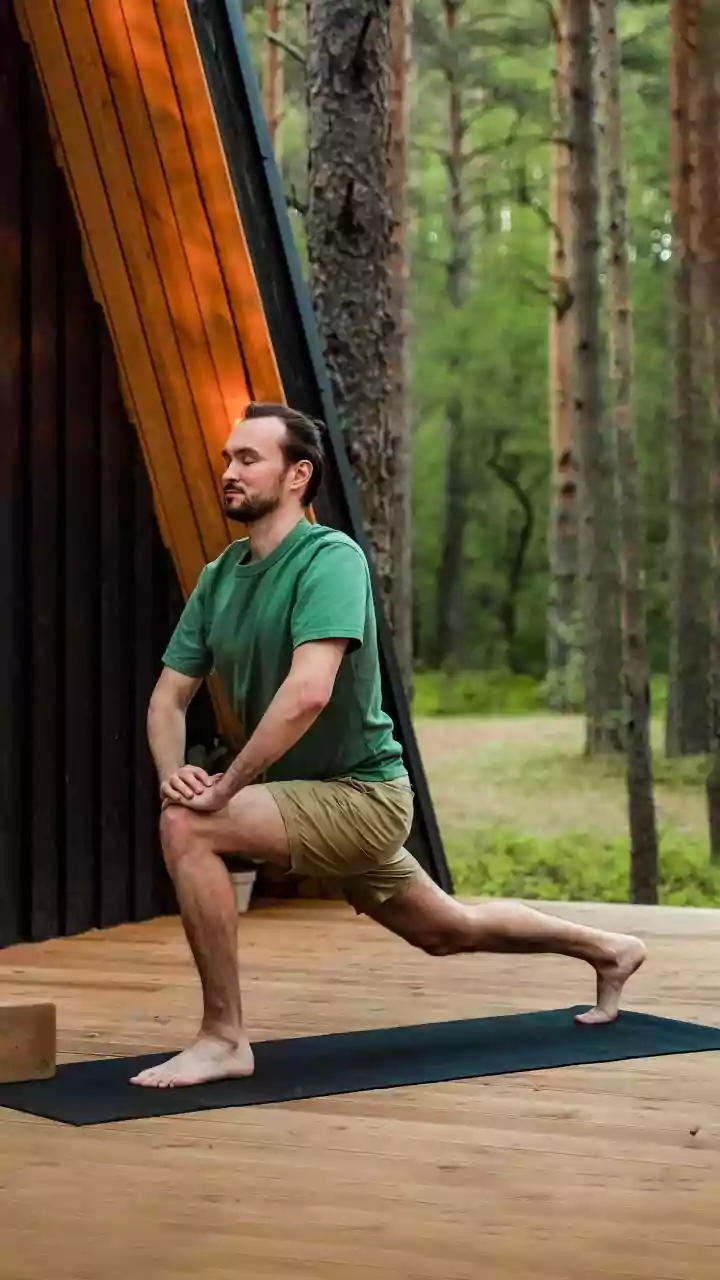
The first step is to designate your space. You don’t need an entire room; a quiet corner in your bedroom or living room is perfect. Look for a spot with minimal foot traffic and, if possible, access to natural light. The goal is to find a space that is at least
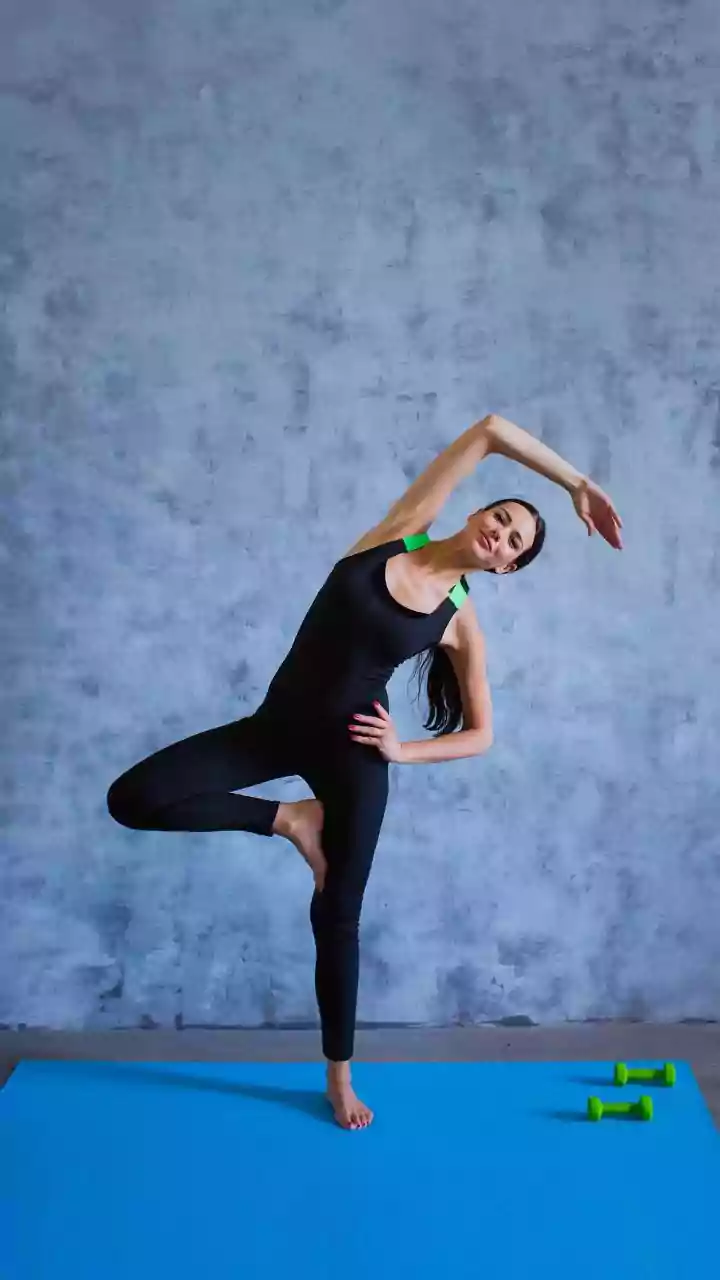
the size of a yoga mat, with enough room to stretch your arms and legs freely. Once you've chosen your spot, the most crucial action is to declutter. A tidy, simple environment helps to create a calm and focused mind, which is the very essence of yoga. Remove any unnecessary items from the area. This act of clearing space is, in itself, a mindful practice that prepares the foundation for your sanctuary.
Your Foundation: The Mat
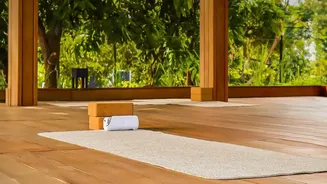
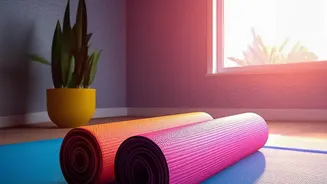
While a dedicated yoga mat provides the best grip and cushioning, you don't need to rush out and buy one. If you're just starting, a non-slip rug or a thick, woven blanket can work as a substitute. The key is to have a surface that is stable and won't slide on the floor. If you use a blanket or towel, place it on a carpeted surface for better stability. This foundation defines your sacred space, creating a physical boundary for your practice. When you do decide to invest, even a basic mat can serve you well for years.
Improvise with Household Props
Yoga props enhance alignment and provide support, but expensive gear is not a necessity. Your home is likely filled with excellent substitutes. Instead of yoga blocks, use a stack of sturdy books to bring the floor closer to you in standing poses or to provide support. A belt, scarf, or even a towel can serve as a yoga strap to help extend your reach in stretches. For a bolster, which is used for support in restorative poses, a firm cushion from your sofa or a couple of pillows rolled tightly inside a blanket works wonderfully. These simple swaps make the practice more accessible and prove that yoga is truly for everyone, everywhere.
Set the Mood with Senses
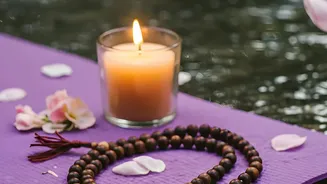
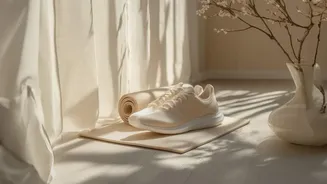
Atmosphere is everything when creating a peaceful space. Engage your senses to cultivate a feeling of calm. For lighting, prioritise natural light whenever possible. For evening practice, use soft, warm light from a lamp instead of harsh overhead lighting. A simple candle or a traditional diya can also add a gentle, focused glow. For sound, you can choose complete silence or play soft, instrumental music or nature sounds from a free app. Finally, introduce a calming scent. Burning incense or a few drops of an essential oil like lavender on a cloth can help signal to your brain that it’s time to relax and turn inward.
Personalise Your Sanctuary
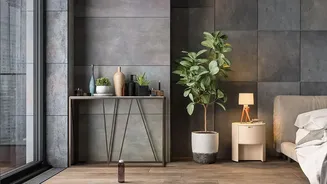
Make the space your own by adding one or two small, meaningful items. This isn't about decoration, but inspiration. It could be a small houseplant, which can help purify the air and bring a touch of nature indoors. A single flower in a bowl of water, a cherished photo, or an inspiring quote can also serve as a focal point, or 'drishti', to help you concentrate during your practice. The key is to keep it minimal. Choose items that evoke a sense of peace and personal significance, reinforcing the intention of your practice without creating a visual distraction.