
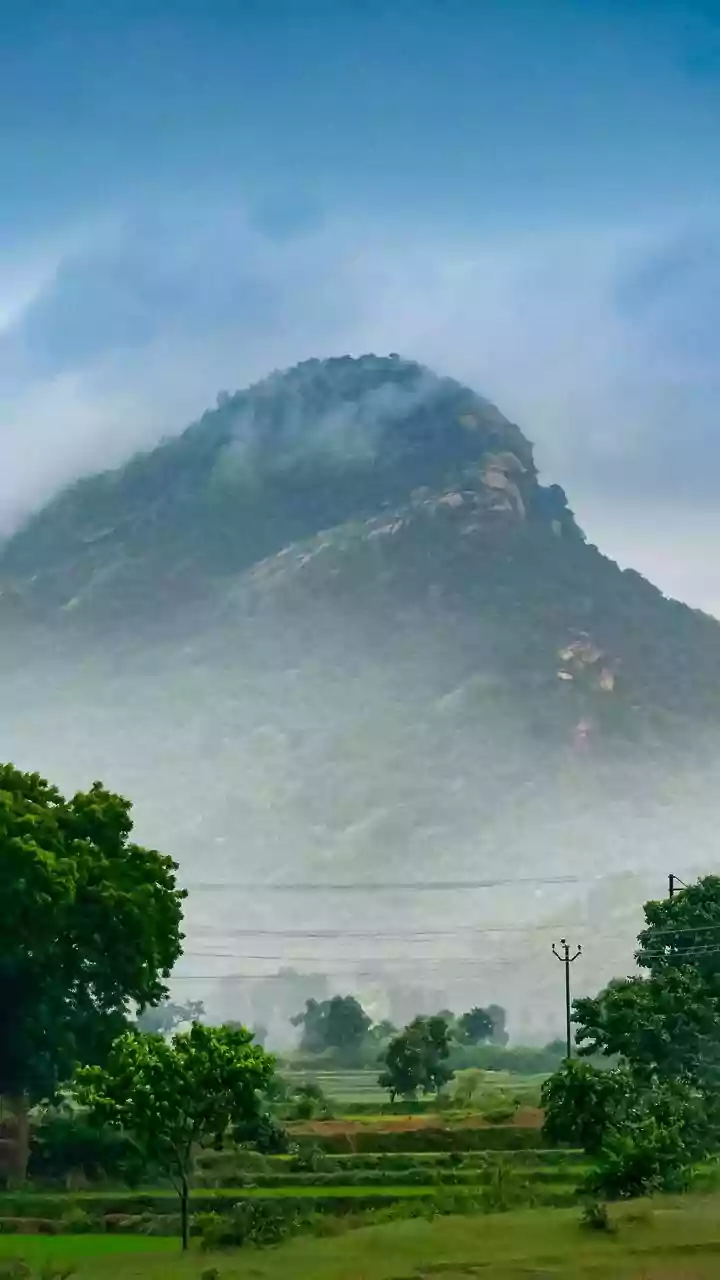




More Than Just Paragliding
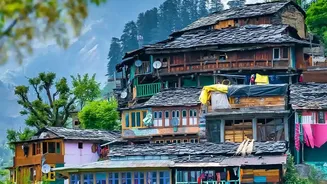
For years, Bir was synonymous with one thing: paragliding. As one of the world's best sites for the adventure sport, it drew thrill-seekers from across the globe to its stunning landscapes. The local economy was built around tourism, homestays, and Tibetan
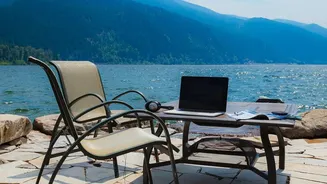
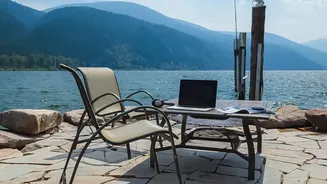
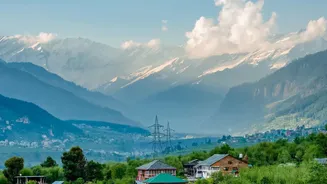
monasteries, creating a peaceful, slow-paced life. But beneath the surface of this adventure capital, a different kind of revolution was brewing, one that would redefine the town’s identity without erasing its tranquil soul. The same mountains that launched paragliders would soon provide the backdrop for laptops, creative projects, and a new way of working.
The Digital Lifeline Arrives
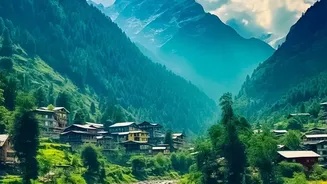
The single most important catalyst for Bir's transformation was the arrival of reliable, high-speed internet. Once a major hurdle in mountain towns, connectivity issues began to dissolve with the rollout of fiber optic lines and robust 4G/5G networks. Suddenly, internet speeds of up to 100 Mbps became accessible, making video calls, cloud computing, and large file transfers seamless. This digital lifeline meant that professionals were no longer tied to urban centres. They could now perform their jobs from anywhere, and 'anywhere' started looking a lot like the peaceful, green valleys of Bir.
Where Work Meets Wellness
The allure of Bir isn’t just about fast Wi-Fi; it’s about what lies beyond the screen. The phrase 'work-life balance' takes on a tangible meaning here. Freelancers and remote employees find that the scenic surroundings offer a powerful antidote to burnout. Instead of a stressful commute, days are punctuated by walks in cedar forests, visits to serene monasteries, or simply gazing at the mountains for a moment of clarity. This unique combination of productivity and peace has become Bir's main attraction. It allows for a lifestyle where deadlines are met with a backdrop of natural beauty, significantly reducing stress and boosting creativity.
The Ecosystem of a Modern Haven
As the first wave of freelancers arrived, a supportive ecosystem began to grow organically. Local entrepreneurs responded to the new demand. Quaint, work-friendly cafes like June 16 and Silver Linings popped up, offering stable internet, power outlets, and a quiet ambiance perfect for a day's work. Homestays and guesthouses began catering specifically to long-term remote workers, ensuring they had power backup and comfortable workspaces. This created a community where writers, designers, developers, and marketers could not only work efficiently but also connect with like-minded individuals, sharing both professional insights and a love for the mountain lifestyle.
The New 'Bir-siders'
The people who call Bir their temporary or permanent office are a diverse group. They are startup founders escaping the high costs of city life, writers seeking inspiration, and corporate employees who have traded their high-rise offices for Himalayan views. They are drawn by the lower cost of living, which allows for a higher quality of life with less financial pressure. For many, moving to Bir isn't just a career move but a conscious lifestyle choice—a decision to prioritize mental well-being, community, and a deeper connection with nature without sacrificing professional ambition. This migration is not just changing individual lives; it's building a new, sustainable economic model for small towns across India.