






The Mindful Zone: Rhythmic vs. Sensory
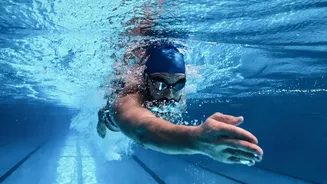
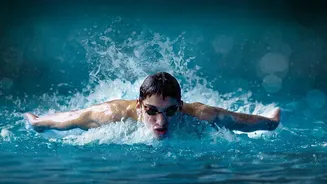
Both running and swimming can induce a meditative state, but they achieve it in different ways. Swimming is inherently mindful. The feeling of water, the rhythmic nature of strokes, and the necessity of controlled breathing create an immersive, sensory
experience that quiets the mind. The muffled sounds and the feeling of weightlessness help you disconnect from external stimulation, making it a calming activity that can reduce stress and anxiety. Running, on the other hand, often fosters mindfulness through its repetitive rhythm. The steady cadence of your feet hitting the ground can act like a mantra, helping to filter out distracting thoughts and keeping you grounded in the present moment. Brain scans have shown that running can have a similar effect to meditation by engaging executive functions and turning down mental chatter. For those who find sensory deprivation in water isolating, the environmental stimulation of a run might be a more welcome form of mindfulness.
The Feel-Good Factor: Runner's High vs. Swimmer's Calm
The famed 'runner's high' is a well-documented feeling of euphoria. This state is largely attributed to endocannabinoids—chemicals your body produces during sustained exercise that can cross the blood-brain barrier and positively affect mood. This is complemented by a cocktail of other chemicals like endorphins, serotonin, and dopamine that reduce pain perception and boost happiness. While swimmers can also experience this euphoric high, the sensation is often described differently. The unique environment of water adds another layer to the experience. The buoyancy reduces physical stress on the body, and just being in water has been shown to increase blood flow to the brain, promoting a sense of well-being. Many swimmers report a feeling of profound calm and relaxation, where the body feels strong and the mind serene, making it a powerful tool for de-escalating the body's physiological stress response.
Community vs. Solitude: The Social Dynamic
One of the most significant differences lies in the social experience. Running is an inherently social sport. It's easy to chat with a partner while jogging, and the running community is known for being inclusive and supportive. Group runs foster strong bonds through shared challenges, creating a sense of belonging that is crucial for combating loneliness and improving overall life satisfaction. Swimming, by its nature, is more of a solitary pursuit. With your face in the water and the need for focused breathing, holding a conversation is nearly impossible during a swim. This makes it an ideal activity for introverts or anyone seeking quiet time to process their thoughts without distraction. While swim teams and clubs offer camaraderie between sets, the core activity remains an individual one. The choice here is clear: if you seek community and external motivation, running has the edge. If you crave solitude and internal reflection, swimming is your sanctuary.
Impact and Accessibility
Practical considerations also play a role in mental wellbeing. Running is arguably one of the most accessible forms of exercise; all you need is a pair of shoes, and you can go almost anywhere. This low barrier to entry can make it easier to maintain a consistent routine. However, it's a high-impact activity, which can lead to joint stress and injuries, potentially causing mental frustration. Swimming is a low-impact, full-body workout that's gentle on the joints, making it a sustainable option for a wider range of people, including those with injuries or mobility issues. The downside is accessibility; you need access to a pool or a safe body of natural water. The soothing, therapeutic nature of water can be a major psychological plus, offering relief from physical discomfort that running can't provide.