


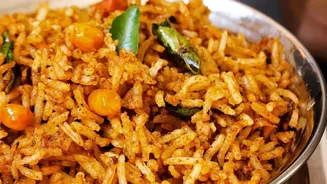
A Shift Beyond the Polished Grain
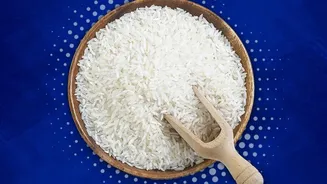
Not long ago, the choice for rice was often limited to a few commercially popular types. Today, however, urban consumers and chefs are increasingly seeking out indigenous varieties that were once at risk of being forgotten. Grains like the aromatic Gobindobhog
from West Bengal, nutrient-dense Kullakar from Tamil Nadu, and fibrous red rice varieties are appearing on menus and in home pantries. This renewed interest is driven by a combination of factors, moving beyond simple nostalgia to encompass a deeper appreciation for health, flavour, and sustainability. What was once a landscape dominated by a handful of high-yield crops is now diversifying, reintroducing a rich agricultural heritage to a new generation of eaters.
The Search for Better Nutrition
One of the primary drivers behind this trend is a collective health awakening. Many traditional rice varieties are nutritionally superior to their polished white counterparts. Unpolished and minimally processed grains, such as red and black rice, are rich in fibre, antioxidants, vitamins, and essential minerals like iron and zinc. These varieties often have a lower glycemic index, meaning they release sugar into the bloodstream more slowly, which is beneficial for managing blood sugar levels. For example, research has highlighted that some traditional cultivars contain significant amounts of minerals that are often lacking in commercial alternatives. This makes them a powerful choice for those looking to improve their daily diet without sacrificing a staple food.
An Exploration of Flavour and Aroma
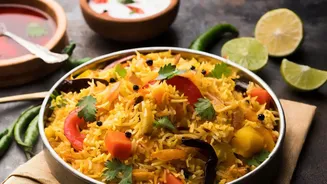
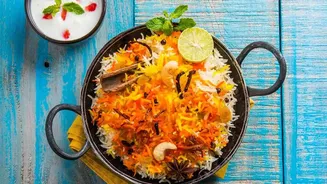
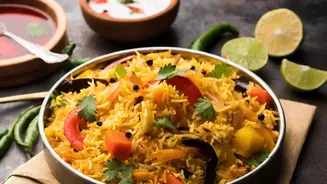
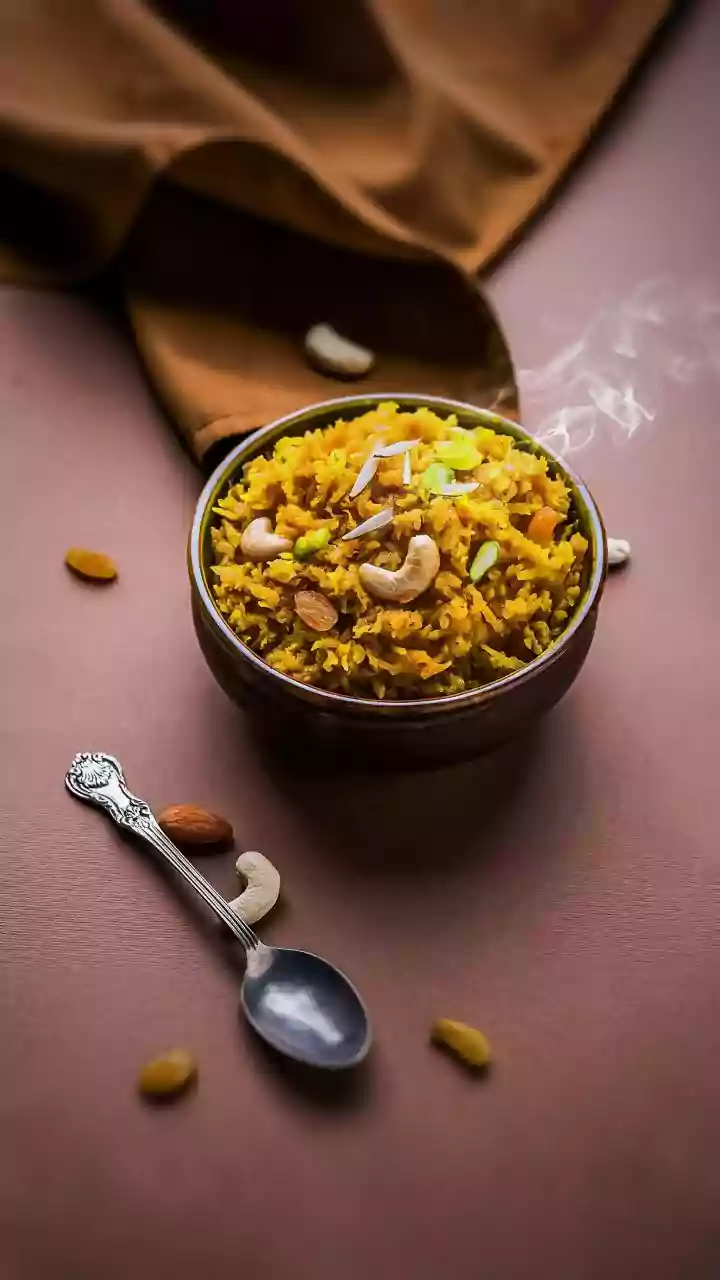
Beyond health, the move towards regional rice is a culinary exploration. Each variety brings a unique taste, texture, and aroma to the table. West Bengal's Gobindobhog is celebrated for its buttery flavour and distinct fragrance, making it a prized ingredient for dishes like payesh and khichuri. Joha rice from Assam is similarly valued for its delicate scent, which enhances traditional preparations. Unlike the often-neutral taste of mass-produced rice, these heirloom grains offer complex flavour profiles, from nutty to subtly sweet. This diversity allows home cooks and professional chefs to experiment, using the specific characteristics of each grain to elevate a dish, whether it's a simple steamed bowl or an elaborate biryani.
Sustainability and Supporting Local
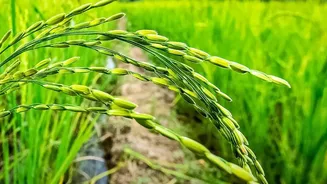
The growing interest also has an environmental dimension. Many traditional rice varieties are deeply adapted to their native ecosystems, making them naturally resilient to local pests and climate variations like droughts or floods. This resilience often means they can be cultivated with fewer chemical fertilisers and pesticides, promoting more sustainable farming practices. Opting for these grains helps preserve agricultural biodiversity, as India was once home to tens of thousands of rice varieties, many of which are now endangered. Furthermore, purchasing regional rice often supports small-scale farmers and local economies, creating a more direct and sustainable link between the producer and the consumer.
A Connection to Culture and Heritage
For many, cooking with regional rice is a way of reconnecting with their cultural roots. These grains are often tied to specific traditions, festivals, and community histories. Gobindobhog, for instance, is not just food; it is an integral part of religious offerings and celebrations in Bengal. Using these varieties is a nod to ancestral wisdom and culinary heritage that has been passed down through generations. As modern life becomes increasingly globalised, the act of preparing a dish with a specific regional grain can be a powerful way to preserve and celebrate one's identity. It transforms a daily meal into an experience rich with cultural significance.