




1. White Rice for Millets
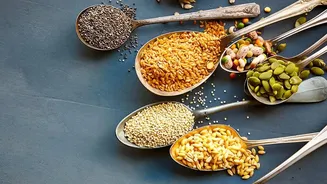
The humble millet is making a major comeback. Once a staple, these ancient grains like ragi, jowar, and bajra are now celebrated for being rich in fibre and having a lower glycemic index than polished white rice. This swap helps in providing sustained
energy and better blood sugar management. The renewed interest is part of a larger movement to embrace climate-resilient and nutrient-dense local crops. While national consumption has been low historically, a wellness-focused urban audience is driving this revival.
2. Refined Sugar for Jaggery or Dates
For generations, jaggery (gur) has been a staple sweetener, and it's now being chosen over refined white sugar for its nutritional benefits. Unlike sugar, which provides empty calories, jaggery retains minerals like iron, potassium, and magnesium. Ayurvedic tradition values jaggery for its digestive properties, often consumed after meals. This switch is about choosing unrefined, natural sweetness that offers more than just a sugar rush.
3. Refined Vegetable Oils for Cold-Pressed Oils or Ghee
The cooking oil aisle is seeing a significant shift. Many are moving away from heavily processed refined oils and returning to traditional fats like ghee and cold-pressed oils (mustard, coconut, sesame). Cold-pressed oils are extracted without high heat or chemicals, which helps retain more natural nutrients and antioxidants. While refined oils have a higher smoke point, the wellness argument is for purer, less-processed fats for everyday cooking.
4. All-Purpose Flour (Maida) for Whole Wheat or Multigrain Atta
The daily roti is getting a nutritional boost. While whole wheat (atta) is standard, there's a growing trend to swap it for multigrain or ancient wheat varieties like Khapli. Maida, or refined flour, is being consciously avoided in home cooking. The reason is simple: whole and multigrain flours offer significantly more fibre, vitamins, and minerals, which aid digestion and promote satiety.
5. Packaged Chips for Makhana or Roasted Chana
Snack time has become healthier. Instead of reaching for a bag of fried potato chips, many now prefer roasted makhana (fox nuts) or chana (chickpeas). Makhana are low in calories and a good source of minerals. Roasted chana is packed with plant-based protein and fibre, making it a filling and nutritious option. This swap reflects a move towards whole-food snacks that provide actual nourishment, not just empty crunch.
6. Dairy Milk for Plant-Based Alternatives
The 'milk' in your chai or coffee might not be from a cow anymore. Driven by rising lactose intolerance, veganism, and general health awareness, plant-based milks like oat, almond, and soy are gaining popularity. While a relatively new market in India, the availability of these alternatives on e-commerce platforms has made them more accessible. This swap shows a growing curiosity for dairy-free lifestyles, with soy milk currently leading in familiarity.
7. Sugary Sodas for Coconut Water or Infused Water
Hydration is getting a healthy makeover. The era of stocking the fridge with sugary colas and packaged juices is fading. Instead, people are opting for natural alternatives like coconut water, which is rich in electrolytes, or homemade infused water with lemon and mint. This change is aimed at cutting down on 'liquid calories' and the sugar spikes that come with them, choosing hydration that refreshes without the regret.
8. Cream-Based Curries for Tomato or Yogurt Gravies
Indian cooking is famous for its rich gravies, but wellness-conscious cooks are finding ways to make them lighter. Heavy cream and butter-laden curries are often being swapped for bases made with yogurt or pureed tomatoes and onions. This simple change significantly reduces the saturated fat and calorie content without sacrificing the flavour that makes these dishes comforting. It's about achieving that same creamy texture in a smarter, healthier way.
9. Instant Noodles for Whole Wheat or Veggie Noodles
The quick two-minute meal is being re-evaluated. Made from refined flour (maida), instant noodles are a source of empty carbs. The wellness-inspired swap involves using whole wheat noodles, millet-based noodles, or even spiralized vegetables ('zoodles') as a base. This increases the fibre and nutrient content of a quick meal, turning a convenience food into a genuinely healthier option.
10. Store-Bought Biscuits for Homemade Energy Bites
The classic chai-biscuits combination is facing competition. Most packaged biscuits contain refined flour, sugar, and preservatives. The healthier swap is homemade energy bites or granola bars made with oats, dates, nuts, and seeds. This gives complete control over the ingredients, ensuring the snack is free from unwanted additives and packed with sustained energy from complex carbs, healthy fats, and protein.