



The North-Facing Advantage
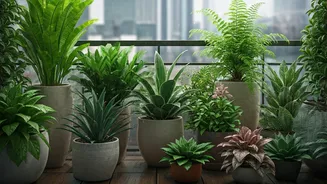
For years, balconies without direct, harsh sunlight were considered difficult for growing vibrant plants. However, a north-facing orientation provides consistent, indirect light throughout the day, which is a significant advantage. This type of lighting
is gentle and prevents the scorched leaves and heat stress that can affect plants on sun-drenched south or west-facing balconies. It creates the perfect environment for a specific category of plants that thrive in bright but sheltered conditions, allowing for a consistently lush, green look without the constant battle against intense heat, a common issue in many Indian climates.
Enter the String of Pearls
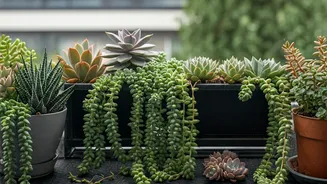
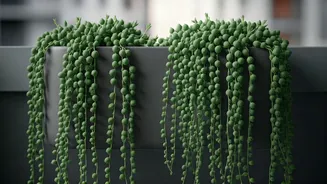
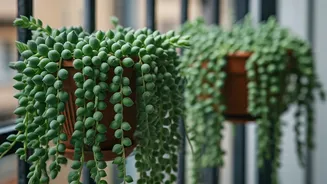
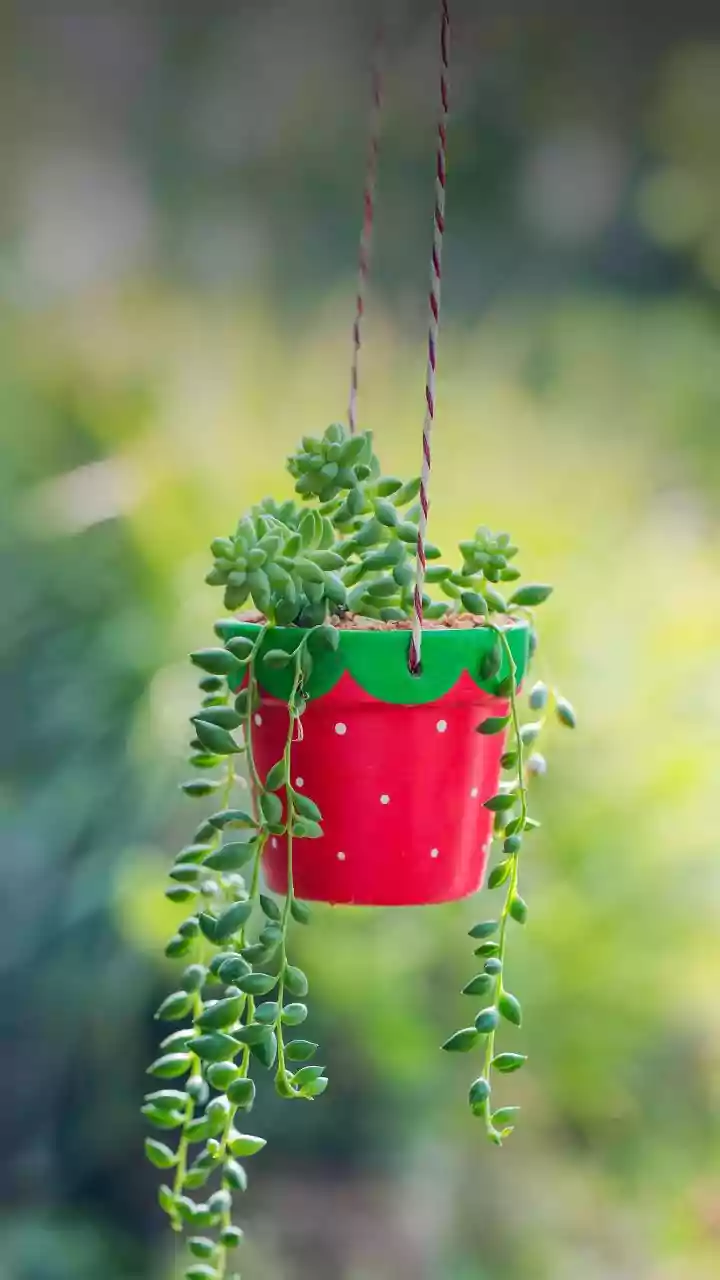
At the heart of this trend is the String of Pearls (Senecio rowleyanus), a unique succulent known for its long, trailing stems adorned with small, spherical leaves that look like a beaded necklace. Originally from Southwest Africa, its cascading nature makes it perfect for hanging baskets and shelves, creating a stunning vertical display that softens the hard edges of urban architecture. Its whimsical, elegant appearance adds a touch of modern sophistication, turning any balcony into a photo-worthy green space. This plant has become a favourite among home gardeners for its striking visual appeal and its ability to create a dynamic, flowing curtain of greenery.
Getting the Light Just Right
While the String of Pearls is an excellent choice, it's crucial to understand its specific needs. The headline can be slightly misleading; this plant doesn’t thrive in deep shade but in bright, indirect light. An ideal north-facing balcony for a String of Pearls would be one that is unobstructed and receives plenty of ambient light for most of the day. If the plant begins to look sparse, with large gaps between the 'pearls', it's a sign it needs more light. If your balcony is too dim, consider placing the plant at the very edge of the railing or using a supplemental grow light to ensure it gets the energy it needs to maintain its full, compact appearance.
A Guide to Care and Cultivation
Successfully growing String of Pearls hinges on a few key factors. Overwatering is the most common mistake and can quickly lead to root rot. The soil should be allowed to dry out almost completely between waterings; a good rule of thumb is to water thoroughly once every two to three weeks, and less in cooler months. Use a well-draining succulent or cactus mix, and ensure your pot has drainage holes. This plant prefers average indoor temperatures and doesn't require high humidity, making it well-suited for typical apartment living. Fertilise sparingly only during the spring and summer growing season. It's also important to note that the plant is toxic to pets and humans if ingested.
Styling Your Cascading Succulent
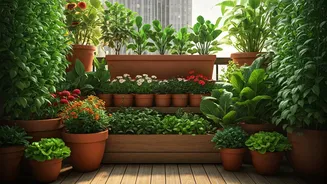
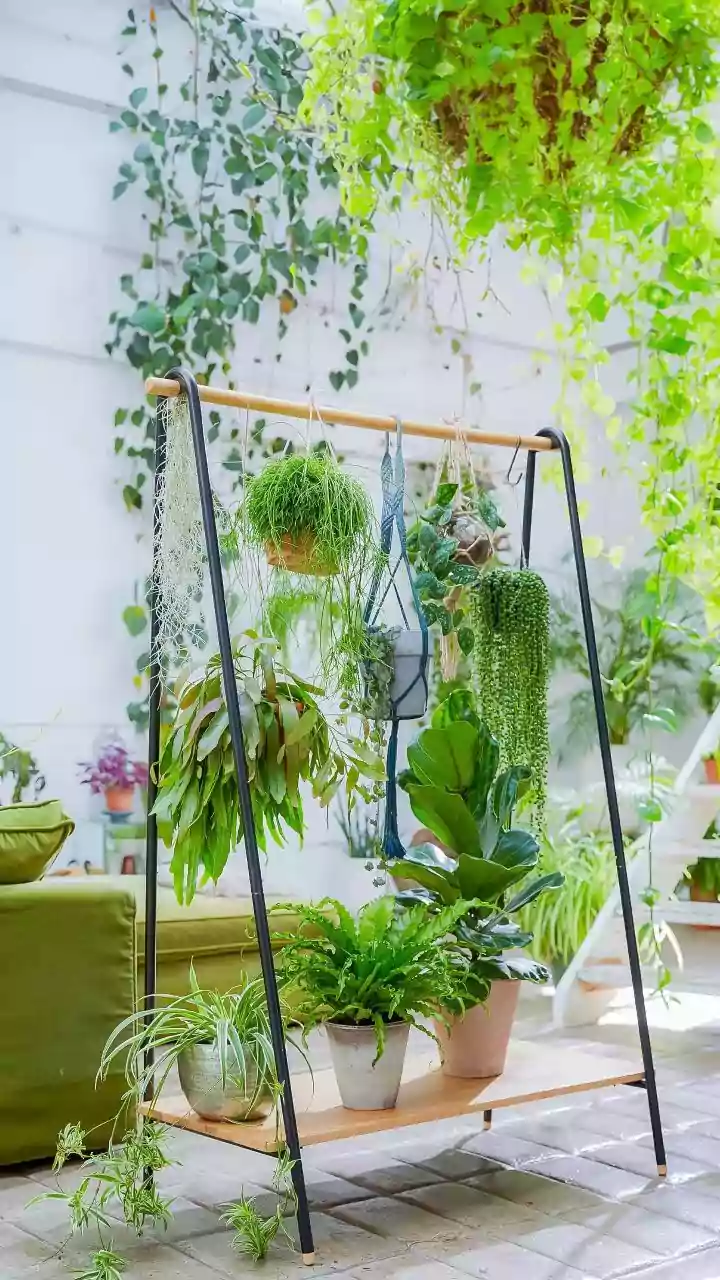
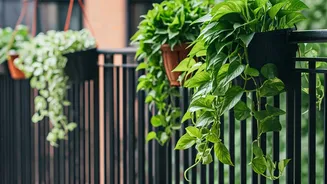
The beauty of a trailing plant is its versatility in styling. Hanging baskets are a classic choice, allowing the delicate stems to drape elegantly downwards. You can also place the pot on a high shelf or on a tiered plant stand to create layers of greenery. For a modern look, use railing planters that allow the plant to spill over the edge of the balcony, creating a living curtain of green that adds both beauty and a sense of privacy. Combining the String of Pearls with other plants of different textures can create a richer, more visually interesting display.
Hardy Alternatives for Lower Light
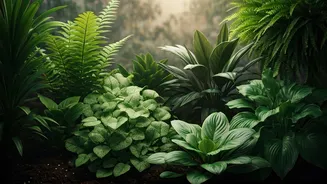
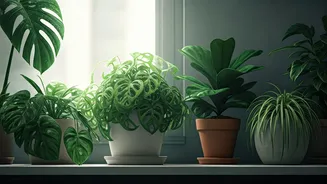
If your north-facing balcony is on the shadier side, don't despair. Several other trailing plants are more forgiving of lower light conditions and can provide a similar lush, cascading effect. The Money Plant (Pothos) is an extremely popular and hardy choice in India, known for its fast growth and low maintenance needs. English Ivy is another timeless classic that thrives in shade. Other excellent options include the Turtle Vine, various types of Philodendron, and the Spider Plant, all of which are well-suited for adding greenery to spaces with less-than-ideal sunlight.