



The Classic: Gajar ka Halwa
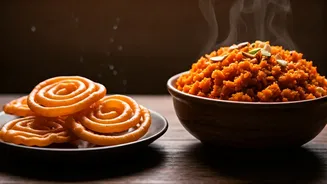
Is it even monsoon without a comforting bowl of Gajar ka Halwa? Though traditionally a winter dessert, its warm, homely flavours make it a perfect fit for a rainy afternoon. [11] This classic North Indian sweet is made by slow-cooking grated carrots with milk,
sugar, and a generous amount of ghee. [4, 11] The process is a labour of love, as the carrots and full-fat milk are simmered until the liquid reduces and the carrots are tender. [4] Sugar and ghee are added towards the end, along with cardamom powder and a garnish of chopped nuts like almonds and pistachios, creating a rich, creamy texture that melts in your mouth. [2, 4] It’s the kind of dessert that feels like a warm hug, making it an essential indulgence when you're craving something cosy.
The Indulgence: Moong Dal Halwa
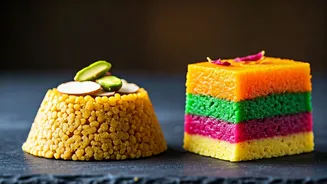
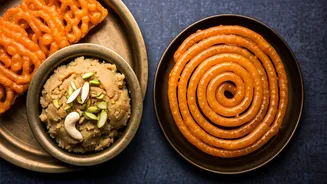
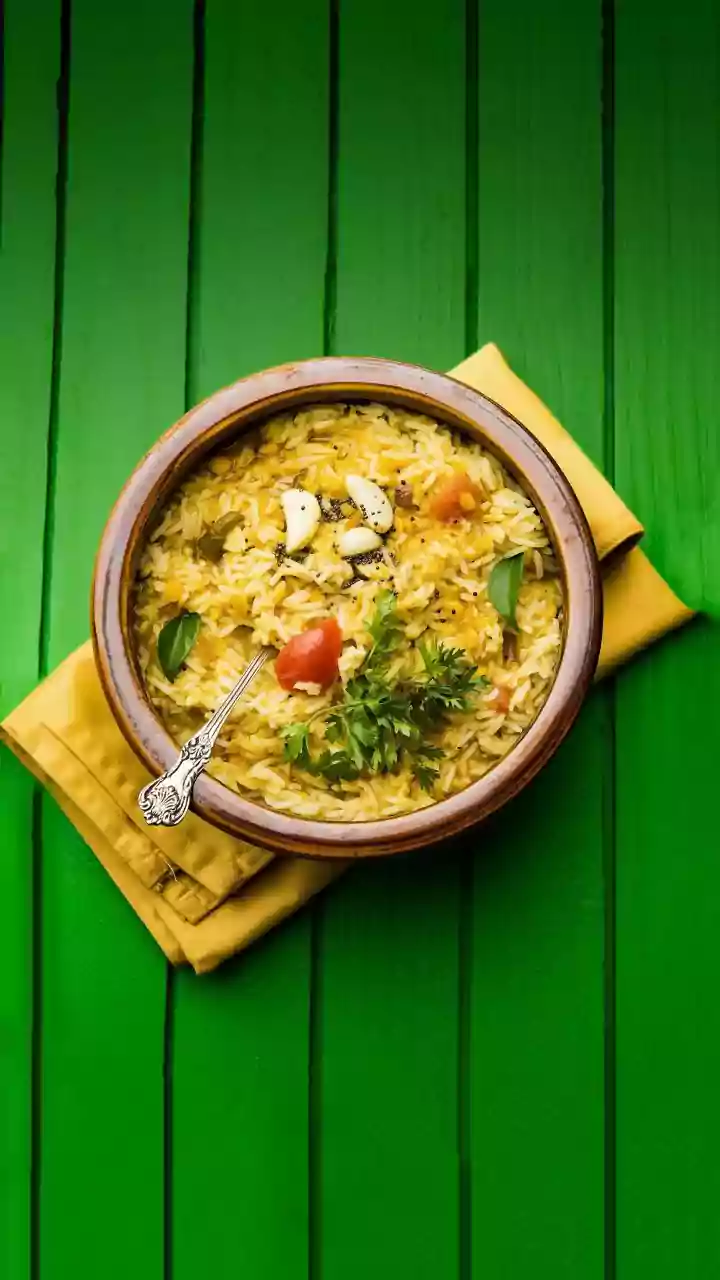
For a truly rich and decadent experience, look no further than Moong Dal Halwa. Originating from Rajasthan, this dessert is a staple during festivals and special occasions, known for its grainy-yet-smooth texture and incredible aroma. [9, 21] Made from yellow moong dal (split mung beans), it’s a dessert that demands patience. The process involves soaking and grinding the dal into a paste, which is then slow-roasted in ghee until it turns a beautiful golden brown. [5, 21] It’s then simmered with milk and sugar, and flavoured with cardamom and saffron. [5] Traditionally considered a warming dessert perfect for winters, its comforting properties make it a luxurious treat for a cool, rainy evening. [9]
The Quick Fix: Molten Chocolate Lava Cake
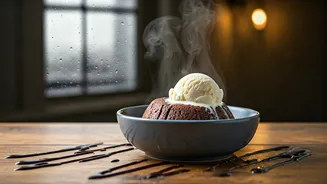
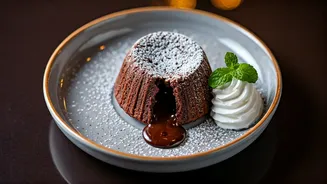
When the craving for a gooey, chocolatey dessert hits, nothing satisfies quite like a molten lava cake. It’s a showstopper that delivers on both drama and taste, with a tender, moist chocolate sponge that gives way to a warm, liquid chocolate centre. [12] Best of all, it’s surprisingly quick to make, often ready in under 30 minutes. The batter is simple, and the key is to bake it just enough so the outside is set but the inside remains deliciously undercooked. Served fresh out of the oven, often with a dusting of powdered sugar or a scoop of vanilla ice cream, it’s the ultimate instant-gratification dessert for a gloomy day. It’s a rich, fudgy experience guaranteed to warm your soul. [12, 18]
The Anglo-Indian Twist: Spiced Apple Crumble
A classic British dessert gets a delightful Indian makeover in this Spiced Apple Crumble. The beauty of a crumble lies in its simplicity: a warm, tender fruit filling beneath a crunchy, buttery topping. [22] To give it a monsoon-perfect twist, the apples can be stewed with classic Indian spices like cinnamon, ginger, cloves, and cardamom. [10, 28] The topping, a simple mix of flour, butter, sugar, and often oats for extra texture, becomes golden and crisp in the oven. [25] The combination of soft, spiced fruit and the crunchy crumble is pure comfort. Serve it warm, perhaps with a dollop of cream or a scoop of vanilla ice cream, for a dessert that’s both familiar and exciting. [18, 25]
The Street Food Favourite: Hot Jalebi with Rabri
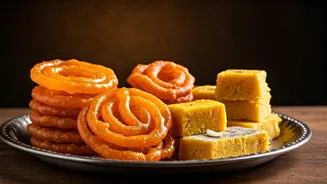
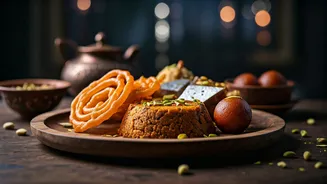
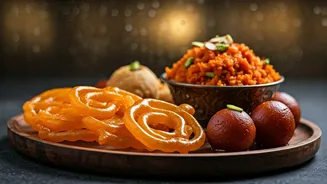
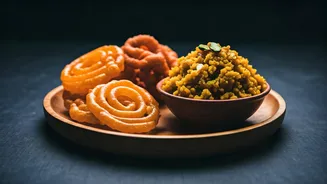
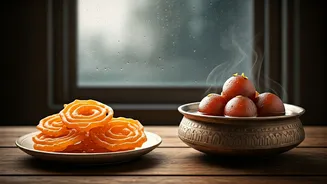
No monsoon food list is complete without the iconic Jalebi. These bright, spiral-shaped sweets are a joy to behold and even better to eat. [11] Made from a fermented batter that’s deep-fried until crisp and then soaked in a fragrant sugar syrup, a hot jalebi is a perfect combination of crunch and sweetness. [11, 29] While delicious on its own, it reaches another level when paired with Rabri—a traditional North Indian sweet made by slowly simmering full-fat milk until it thickens and becomes rich and creamy. [33, 36] The contrast between the warm, crispy jalebi and the cool, creamy rabri creates a truly divine dessert experience that is perfect for special occasions or simply as a rainy-day indulgence. [29, 36]
The Comforting Classic: Kheer/Payasam
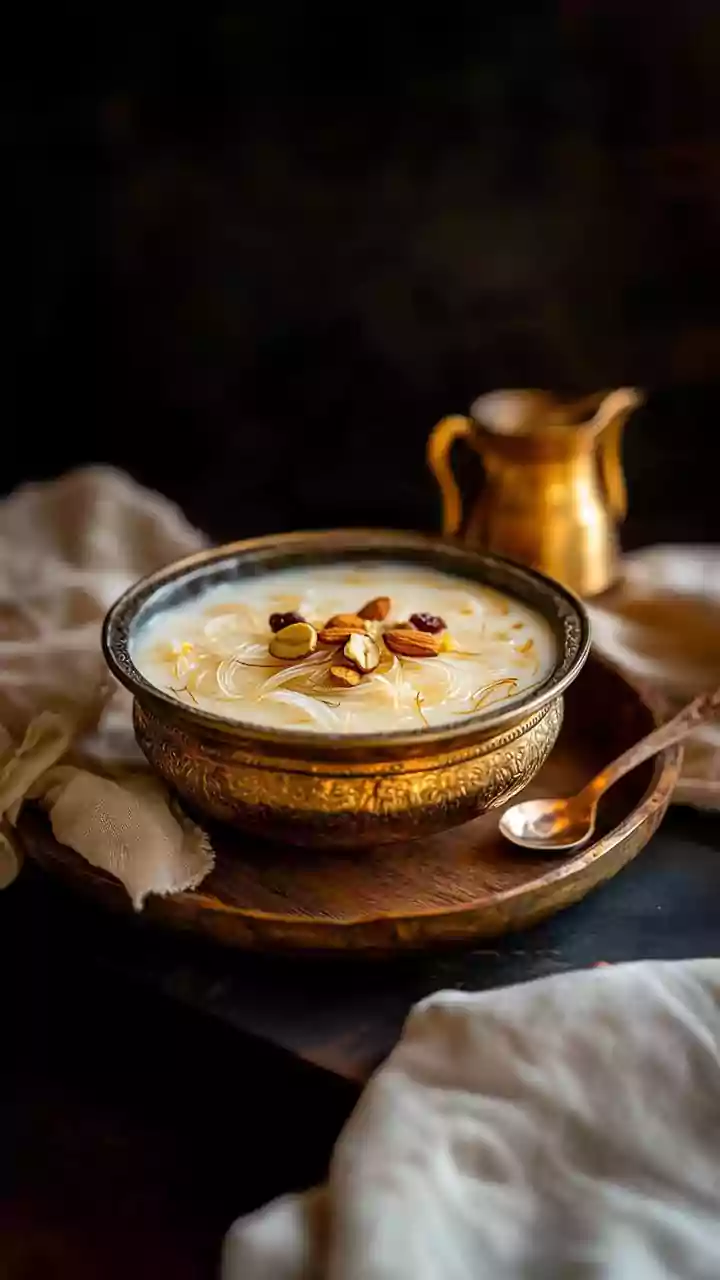
Kheer, or Payasam as it's known in the South, is the quintessential Indian comfort food in a bowl. [3] This creamy rice pudding is an all-season favourite, but it provides a special kind of warmth and richness that is especially craved during the monsoons. [11] The preparation is simple yet requires patience: rice is slow-cooked in milk until it becomes creamy and soft. [3] It’s then sweetened with sugar or jaggery and often flavoured with cardamom, saffron, and garnished with nuts and raisins. [3, 11] Different regions have their own variations, from the seviyan (vermicelli) kheer popular in the North to the flavourful Ada Pradhaman in Kerala made with coconut milk. [27] No matter the variation, a warm bowl of kheer is like a hug from the inside.