
Periyar National Park, Kerala
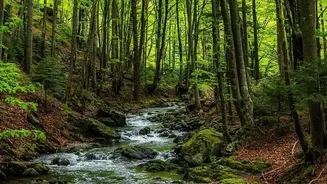
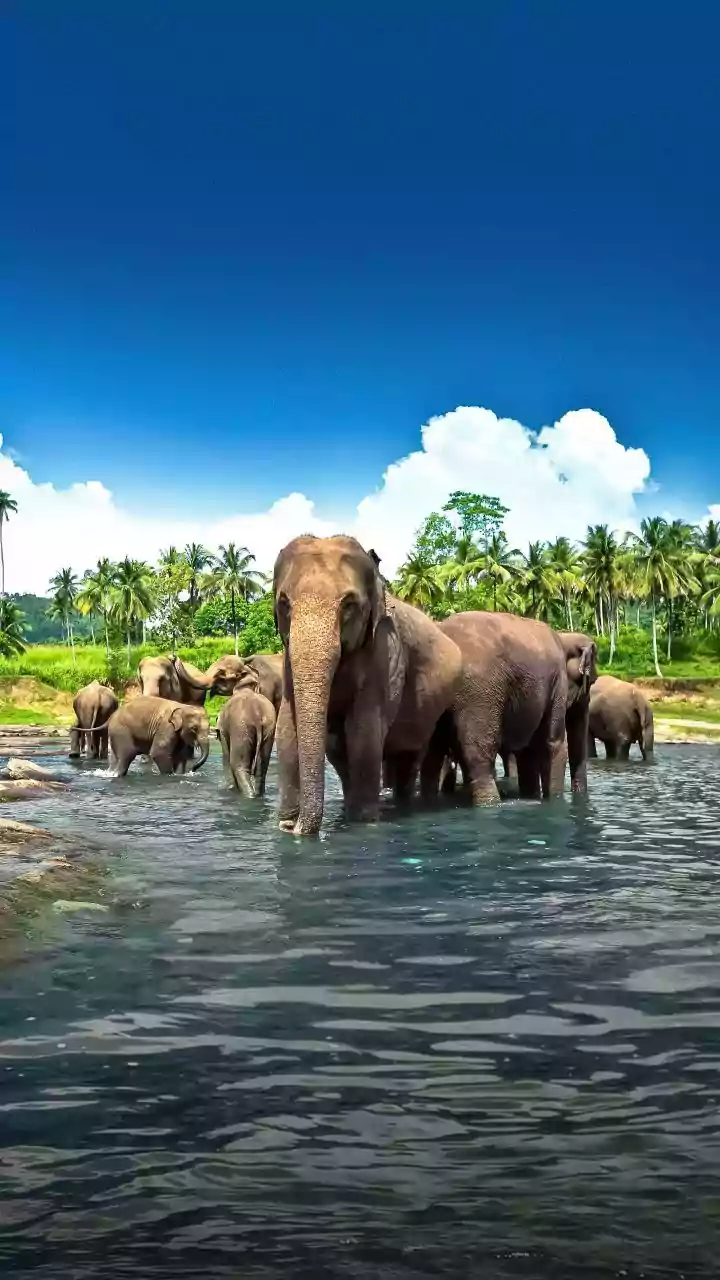
Nestled in the Western Ghats, Periyar is one of the few wildlife sanctuaries in India that remains open throughout the monsoon, making it a prime destination for an August trip. The entire reserve comes alive with the rain, with dense forests and a mist-covered
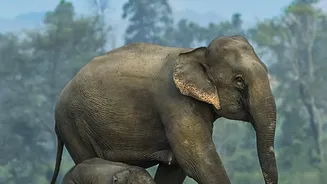
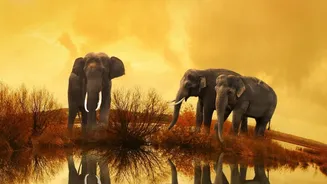
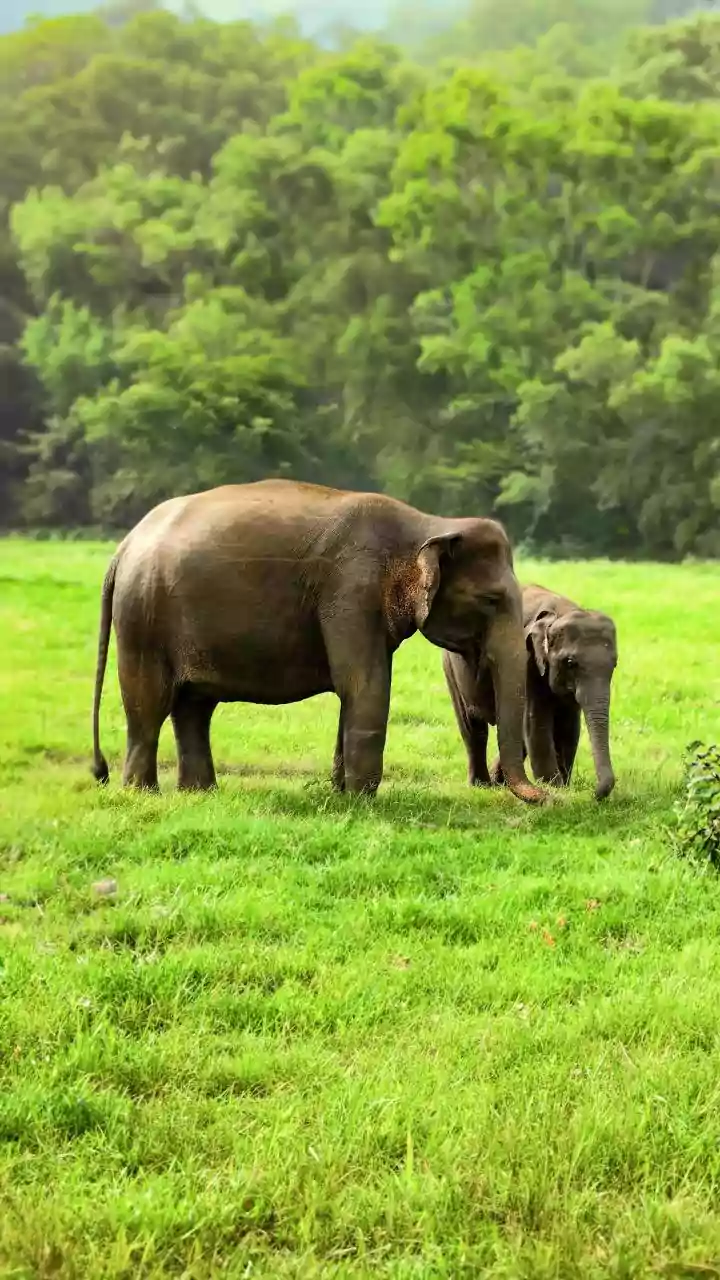
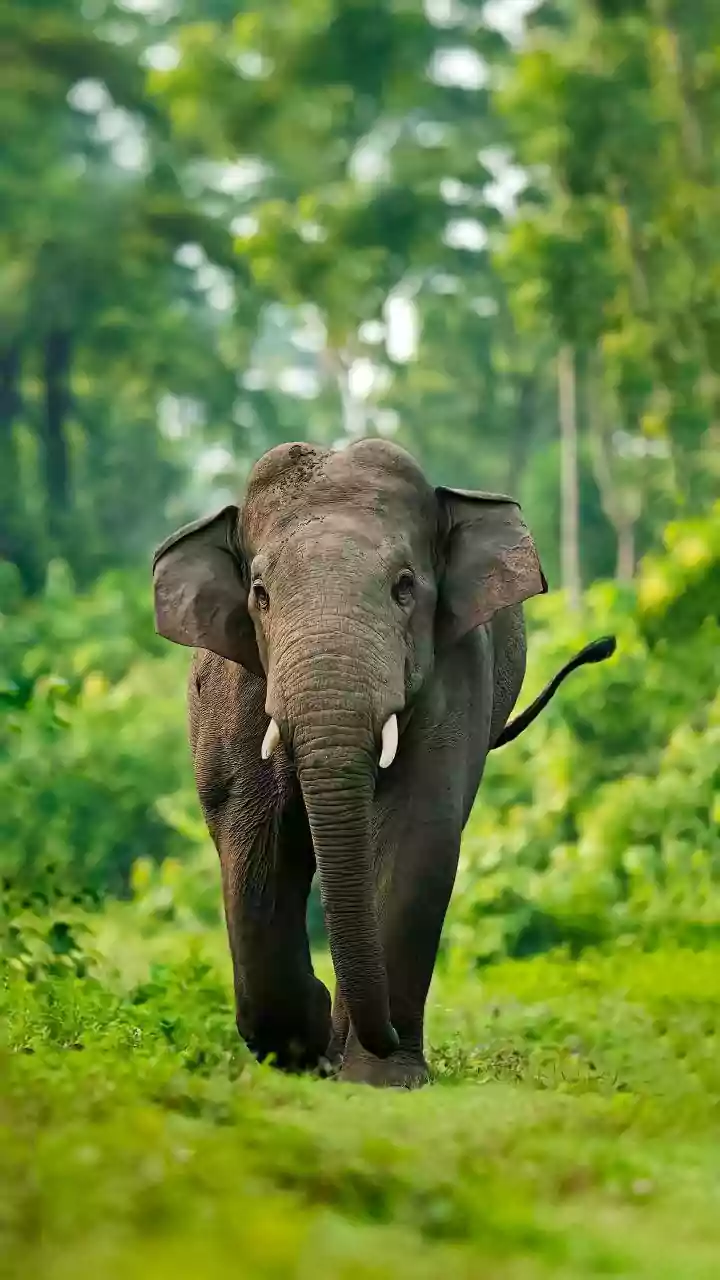
lake creating a breathtaking backdrop. While tiger sightings are rare, Periyar is renowned for its large elephant herds, often seen socialising by the lakeside. A boat cruise on Periyar Lake is the signature experience here, offering a unique vantage point to spot elephants, gaur (Indian bison), sambar, and a variety of water birds like kingfishers and herons without the intrusion of a jeep. The monsoon also brings out a vibrant array of orchids and butterflies, adding to the park's enchanting atmosphere. The mild temperatures, averaging between 22°C and 32°C, make for pleasant exploration.
Kabini (Nagarhole National Park), Karnataka
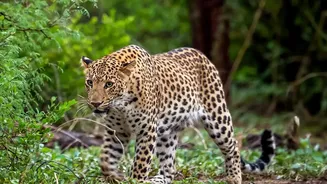
Kabini, part of the larger Nagarhole National Park, is a spectacular year-round destination that takes on a special charm during the monsoon. The backwaters of the Kabini reservoir swell with rainwater, attracting animals to the water's edge and creating stunning, reflective landscapes perfect for photography. While the dense foliage can make spotting animals slightly more challenging, the reduced number of tourists means a more peaceful and intimate safari experience. Elephants are a common sight, and this is also one of the best places in India to spot the elusive leopard. Naturalists suggest that big cats often use the safari trails for easier movement when the surrounding grass is tall and wet, potentially increasing chances of a sighting. The forest, washed clean by the rain, is a vibrant green, offering a dramatic contrast to the orange coat of a tiger or the spots of a leopard.
Jim Corbett National Park (Jhirna & Dhela Zones), Uttarakhand
While most of India's famous tiger reserves close their core zones during the monsoon, Jim Corbett National Park keeps its Jhirna and Dhela zones open throughout the year. These zones, located in the southern part of the park, offer a fantastic opportunity for a monsoon safari. The landscape transforms into a lush, green wilderness, a far cry from the dry, dusty look of the summer months. The rains bring out a different side of the forest's biodiversity, with vibrant birdlife and plentiful sightings of wild boar, deer, and elephants. Though tiger sightings are less predictable than in peak season, the lack of crowds and the serene, rain-soaked environment make it a worthwhile trade-off for many nature lovers. The experience is less about ticking off a tiger sighting and more about immersing yourself in the tranquil, rejuvenated jungle.
Dachigam National Park, Jammu & Kashmir
For a truly different monsoon experience, head north to Dachigam National Park near Srinagar. Unlike the rest of India, this region doesn't experience heavy monsoon rains, making August a pleasant and accessible time to visit. The park is divided into Upper and Lower Dachigam, with the upper reaches being particularly ideal for exploration from June to August. Dachigam is the last remaining habitat of the critically endangered Hangul, or Kashmir Stag, a subspecies of Red Deer. Besides the Hangul, the park is home to Himalayan black bears, leopards, musk deer, and long-tailed marmots. The avian life is also rich, with species like the Himalayan Monal, Golden Oriole, and the colourful Blue Magpie. The park's stunning landscape of deep ravines, rocky outcrops, and alpine pastures offers a peaceful and dramatic setting for wildlife spotting.
Tadoba-Andhari Tiger Reserve (Buffer Zones), Maharashtra
Known for its high tiger density, Tadoba is a favourite among wildlife enthusiasts. While its core areas close during the monsoon, the park's buffer zones remain open, offering excellent opportunities for safaris. In fact, many regulars argue that monsoon is a fantastic time for sightings. The refreshed landscape is lush and green, and the cooler temperatures mean animals can be active for longer periods. The rains force animals like tigers and wild dogs onto the cleared safari tracks, which can lead to surprisingly good sightings. With far fewer tourists than in the peak winter and summer seasons, you get a much more exclusive and serene experience of the jungle. Besides tigers, you have a good chance of spotting sloth bears, leopards, and wild dogs (dholes).