

The Perseid Meteor Shower Peaks
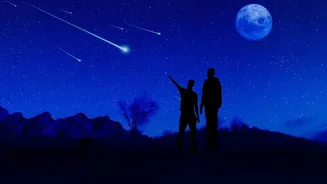
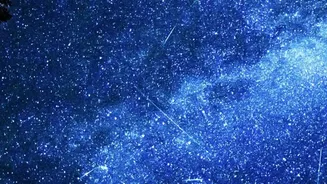
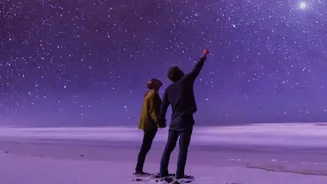
The annual Perseid meteor shower, one of the most beloved celestial events, reaches its peak on the night of August 12-13. This year’s viewing conditions are nearly perfect, as the peak coincides with the New Moon, meaning darker skies and better visibility
for fainter meteors. The Perseids are known for their fast, bright meteors and can produce up to 50-75 shooting stars per hour at a dark-sky location. These meteors are actually tiny bits of debris left behind by Comet Swift-Tuttle, which burn up as they enter Earth's atmosphere. For the best experience, find a spot away from city lights, let your eyes adjust for about 20 minutes, and simply look up. The best viewing window is typically from midnight until the first light of dawn.
A Parade of Planets
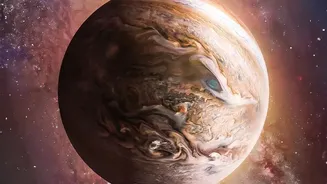
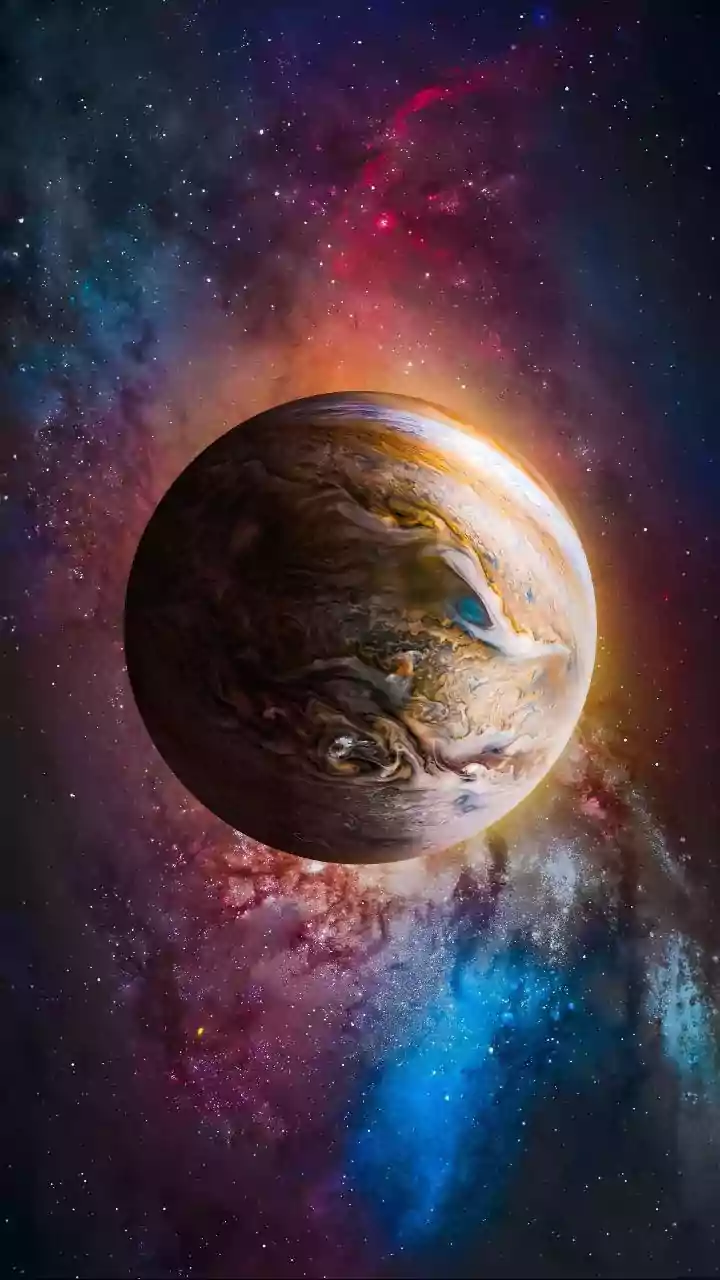
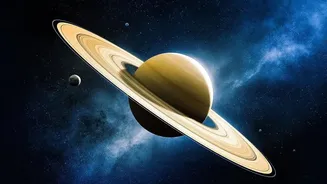
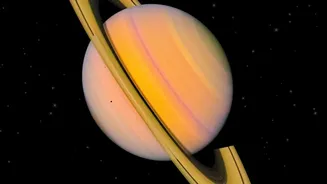
August is a fantastic month for planet-watching. Super-bright Venus dominates the western sky in the evening, reaching its greatest separation from the Sun on August 15. Meanwhile, the pre-dawn sky hosts a planetary parade. Around August 12, it's possible to spot up to six planets stretched across the sky: Jupiter, Mercury, Mars, Uranus, Saturn, and Neptune. Mars and Saturn will be the easiest to see with the naked eye. Mars will appear as a reddish point of light in the east before dawn, while yellowish Saturn will be visible for most of the night. Jupiter and Mercury will be tougher to spot, appearing very low on the eastern horizon just before sunrise. You will likely need binoculars to catch a glimpse of Uranus and a telescope for distant Neptune.
The Full Sturgeon Moon and a Lunar Eclipse
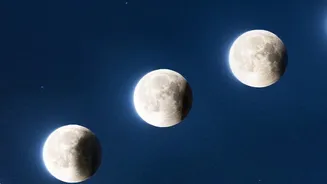
August’s full moon, known as the Sturgeon Moon, will rise on the night of August 27 and reach its peak illumination early on August 28. This name comes from Native American traditions, as this was the time of year when the large sturgeon fish were most easily caught in the Great Lakes. This year's Sturgeon Moon is extra special because it will coincide with a deep partial lunar eclipse, visible across North and South America. During the eclipse, nearly the entire lunar disk will pass through Earth's dark inner shadow, the umbra, which can give the Moon a reddish hue, often called a 'Blood Moon'. Unlike a solar eclipse, you don't need any special equipment to view a lunar eclipse safely.
The Summer Triangle and Milky Way
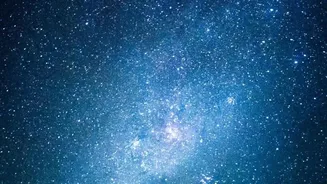
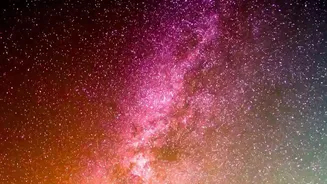
High overhead in the evening sky, you can easily find the Summer Triangle, a prominent asterism made of three bright stars from three different constellations. These are Vega in the constellation Lyra (the Lyre), Deneb in Cygnus (the Swan), and Altair in Aquila (the Eagle). Vega is the brightest of the three and will be almost directly overhead for observers in the Northern Hemisphere. The Summer Triangle is a great landmark for navigating the summer sky. August is also a prime month to see the Milky Way, our home galaxy. From a dark location, it stretches across the sky like a faint, luminous cloud, passing directly through the Summer Triangle and the constellations Sagittarius and Scorpius.
Tips for the Best Stargazing
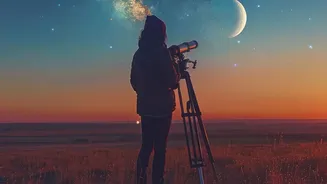
To make the most of these celestial events, a little preparation goes a long way. The single most important factor is finding a location with minimal light pollution. The farther you can get from city and town lights, the more you will see. Give your eyes at least 20 minutes to fully adapt to the darkness; avoid looking at your phone screen during this time, as the bright light will ruin your night vision. While planets and bright stars are easily visible with the naked eye, a pair of binoculars can dramatically enhance your view, revealing more detail on the Moon, more stars in the Milky Way, and even the moons of Jupiter. Finally, get comfortable. A reclining chair or a blanket on the ground will save you from neck strain during a long night of looking up.