




A Pocket-Sized Agronomist
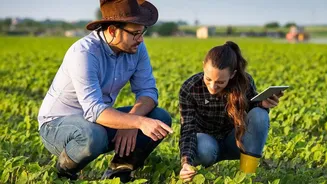
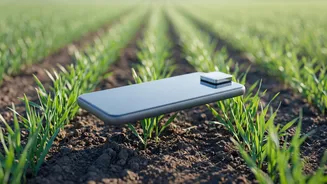
The concept sounds like science fiction, but its application is remarkably simple. Farmers can now use specialised mobile applications to take a photo of a plant leaf showing signs of distress. Behind the scenes, artificial intelligence (AI) algorithms
analyse the image, cross-referencing it against vast databases of plant diseases, pest infestations, and nutrient deficiencies. Within seconds, the app can provide a diagnosis and suggest a course of action. Apps like Plantix, for example, can recognise hundreds of symptoms across dozens of major crops, offering a level of diagnostic support that was once only available from a human expert. This technology is being adopted across India, from Uttar Pradesh to Kerala, empowering farmers with immediate, actionable advice.
How It Works: From Image to Insight
This technology primarily relies on the smartphone's camera as a powerful sensor. When a farmer captures an image of an affected crop, the AI model gets to work. These models are trained on thousands of images of both healthy and diseased plants, learning to identify the subtle visual cues of specific problems. Some advanced applications can even work offline, which is crucial for farmers in rural areas with poor or non-existent internet connectivity. The app analyses factors like leaf colour, spot patterns, and insect presence to make a diagnosis. It then provides tailored recommendations, often in local languages, suggesting specific treatments and helping farmers avoid using incorrect or unnecessary pesticides, which saves money and protects the environment.
Boosting Yields in Punjab and Maharashtra
In the agricultural heartlands of Punjab and Maharashtra, this technology holds immense promise. For major crops like wheat and rice in Punjab, or cotton and sugarcane in Maharashtra, early and accurate disease detection can be the difference between a profitable harvest and a devastating loss. Platforms like MahaAgri.AI are specifically focused on bringing these smart farming solutions to all districts of Maharashtra. By providing timely interventions, these AI tools help reduce crop losses, which can range from 10% to as high as 40% annually due to pests and diseases. This leads to more stable yields and better income security for farming families. One case study in Maharashtra's Marathwada region showed that farmers using an AI-powered app reduced crop failures and increased their average income by making more informed decisions.
Overcoming the Digital Divide
Despite the clear benefits, the widespread adoption of agritech faces hurdles. A significant portion of India's rural population lacks consistent internet access or the digital literacy needed to navigate these new tools. Many farmers are accustomed to traditional methods and may be hesitant to trust a mobile app with their livelihood. To bridge this gap, efforts are being made to create user-friendly interfaces, provide content in multiple local languages, and offer offline functionality. Success depends not just on the technology itself, but on building trust and ensuring these digital solutions are genuinely accessible and relevant to the needs of smallholder farmers who form the backbone of Indian agriculture.