

The Ranking That Stirred the Pot
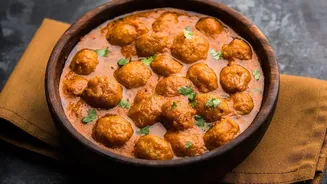
Not long ago, the online food guide TasteAtlas placed Malai Kofta at number 10 on its list of the '50 Best Deep-Fried Dishes in the World'. For a dish cherished at Indian weddings and celebrations, this was a moment of global recognition. TasteAtlas,
which compiles user-generated ratings to create its popular and often controversial lists, positioned the North Indian classic among global favourites. The ranking was celebrated by many as a well-deserved nod to the richness of Indian vegetarian fare. However, for many chefs and food lovers, the list also highlighted a familiar problem: the simplification of a subcontinent's worth of food into a few well-known dishes.
What Makes Malai Kofta So Beloved?
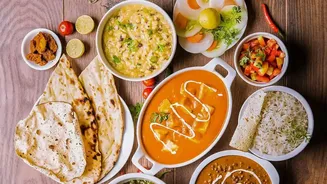
To understand the conversation, you first have to appreciate the dish itself. Malai Kofta is the definition of indulgence. It consists of soft, melt-in-your-mouth dumplings, or 'koftas', typically made from a mix of mashed potatoes and crumbled paneer (Indian cottage cheese). These are deep-fried to a delicate golden-brown and then served in a rich, creamy gravy. The sauce is a masterful blend of onion, tomato, ginger, garlic, and cashews, perfumed with aromatic spices. Its origins can be traced back to Persian and Central Asian influences on Mughal-era cooking, where meat koftas were first introduced and later adapted by Indian kitchens into the vegetarian marvel it is today. It is a dish that speaks of celebration, comfort, and culinary finesse.
A Flawed and Flattening Mirror
The problem isn't with Malai Kofta's greatness, but with the limitations of such global rankings. Critics frequently point out that platforms like TasteAtlas, which rely on votes from a global audience, often create a feedback loop. Dishes that are already famous and widely available in Indian restaurants abroad—like Butter Chicken, Naan, and Malai Kofta—naturally receive more votes. This creates a skewed perception of Indian cuisine, making it seem as though the entire country eats a handful of creamy, North Indian dishes. These rankings have previously sparked outrage for listing regional treasures like Kerala's Achappam or the humble Upma as some of India's 'worst-rated' foods, leading to accusations of cultural ignorance and a clear bias towards North Indian flavours.
The 'Butter Chicken' Effect
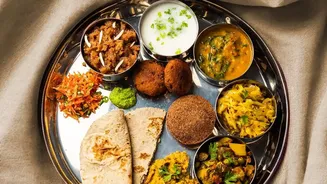
This phenomenon, sometimes called the 'Butter Chicken effect', sees a few dishes become global ambassadors for a cuisine of immense diversity. India is a country where the food changes every hundred kilometres, from the mustard-oil-laced fish curries of Bengal to the coconut-rich vegetarian stews of Kerala and the fiery meat dishes of Rajasthan. There are vast culinary worlds in the Northeast, in Goa, and in Chettinad that rarely, if ever, feature on these global lists. While Malai Kofta is a star, its crowning glory in such rankings inadvertently casts a shadow over thousands of other dishes that are just as complex, delicious, and worthy of celebration. Chefs and food historians argue that this narrow representation does a disservice to the true depth of India's culinary heritage.
Beyond a Simple Score
Ultimately, the value of Malai Kofta's ranking isn't the number itself, but the discussion it ignites. It serves as a reminder that while global validation is welcome, it should not be the ultimate measure of a cuisine's worth. The real opportunity lies in using these moments to educate a global audience about the sheer variety India has to offer. It's a chance to move past the creamy gravies of the Mughlai-Punjabi restaurant menu and introduce the world to the sour tang of a Goan vindaloo, the delicate steamed pitha of Assam, or the intricate spice blend of a Hyderabadi biryani. The conversation started by a simple list could be the catalyst for a deeper, more authentic appreciation.