





More Than Just a Light Bulb
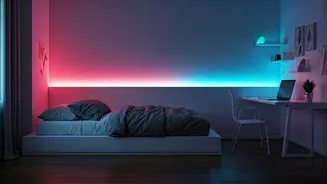
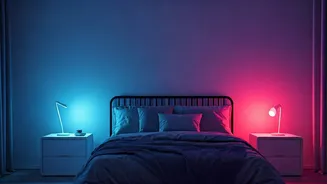
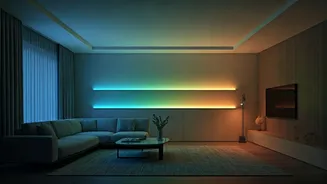
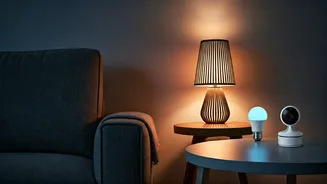
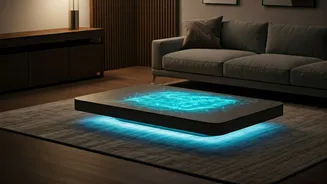
So, what exactly is music-syncing smart ambient lighting? At its core, it's a system of LED lights—often in the form of strips, bars, or panels—that can change colour, brightness, and pattern. The 'smart' part comes from their ability to connect to Wi-Fi
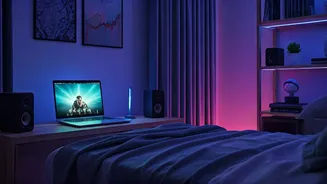
or Bluetooth, allowing control via a smartphone app. The magic happens with the 'music syncing' feature. Using a small microphone or direct software integration with apps like Spotify, the lights listen to your music and react in real-time. A heavy bass drop might trigger a flash of deep red, while a soft piano melody could be met with a slow fade of cool blues and purples. It transforms passive listening into an active, multi-sensory experience, turning the entire room into a dynamic visualizer for your playlist.
Curating the Perfect Vibe
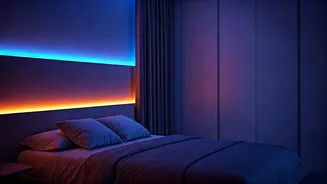
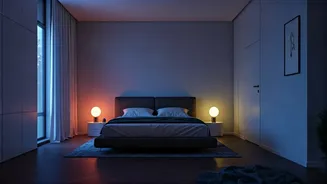
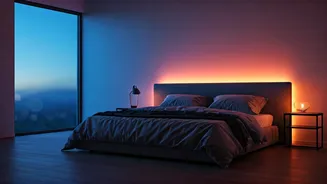
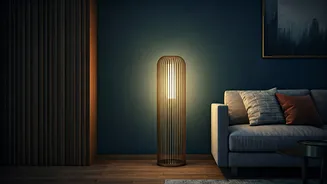
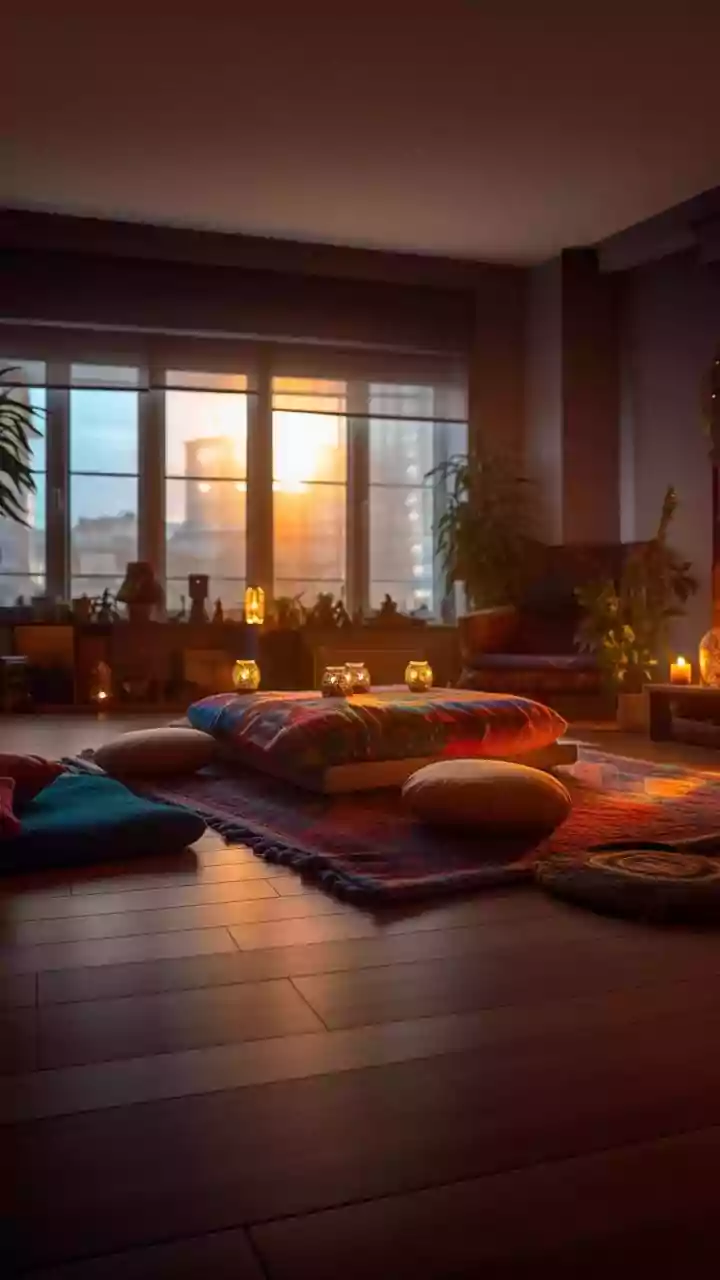
For Gen Z, a room isn't just a room; it's a 'vibe'. This intangible quality is about creating an atmosphere that perfectly matches a mood or activity, and smart lighting is the ultimate tool for vibe curation. Need to focus on studying? A clean, white light can aid concentration. Winding down after a long day? A warm, sunset orange glow is just a tap away. Hosting a small get-together? Instantly turn the room into a party zone with strobing colours synced to a high-energy playlist. This level of control allows for a kind of emotional and environmental fine-tuning that was previously impossible. The bedroom becomes a fluid space that can be instantly reconfigured to serve as a study, a cinema, a chill-out lounge, or a private club, all dictated by the glow of its lights.
The Bedroom as a Content Studio
This trend isn't just about personal enjoyment; it's also deeply intertwined with the creator economy. For a generation that grew up documenting their lives on platforms like Instagram, YouTube, and TikTok, the aesthetic of their background is paramount. A plain beige wall simply doesn't cut it anymore. Smart lighting provides a dynamic, professional-looking, and endlessly customisable backdrop for videos, streams, and selfies. It’s an instant production value upgrade. A beauty guru can match their lighting to their makeup, a gamer can have their room flash red when they take damage in a game, and a dancer can perform in a swirl of colour. The bedroom has morphed into a part-time content studio, and smart lighting is the essential set design.
Accessible Tech in India
What was once a niche, expensive hobby for tech enthusiasts has now become widely accessible, especially in India. While premium brands like Philips Hue and Nanoleaf offer high-end, feature-rich systems, the market is flooded with affordable and reliable alternatives. Brands like Govee have become cult favourites, offering impressive quality at a lower price point. Furthermore, established Indian companies like Wipro, Syska, and Crompton have entered the smart lighting space, making these products available in local electronics stores and online marketplaces like Amazon and Flipkart. This democratisation of technology means that a high-tech, 'vibey' bedroom is no longer a luxury but an attainable aspiration for many young Indians.
A New Language of Self-Expression
Ultimately, the rise of smart ambient lighting is about a fundamental shift in how personal space is perceived. Previous generations expressed themselves with band posters, paint colours, and carefully chosen furniture. Gen Z does all that, but adds a dynamic, digital layer. Their choice of colour palettes, light effects, and synced music is a new language of identity. It’s a way to broadcast their mood, their tastes, and their personality without saying a word. This isn't just decorating; it's digital interior design, where the walls themselves are alive with personality. The room is no longer a static container for life, but an active participant in it.