
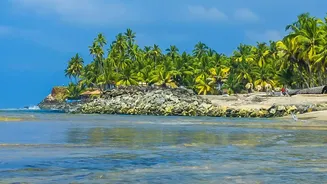
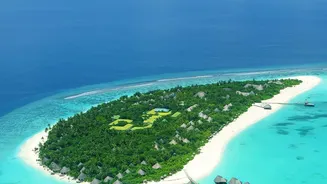
An Untouched Underwater Paradise
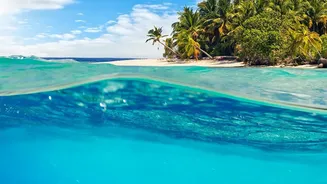
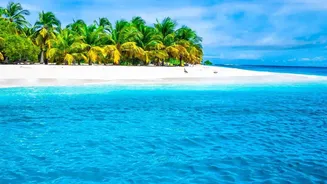
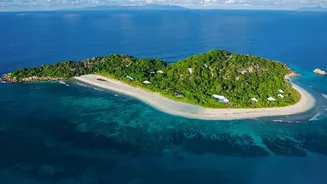
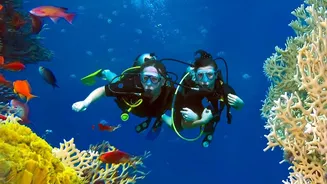
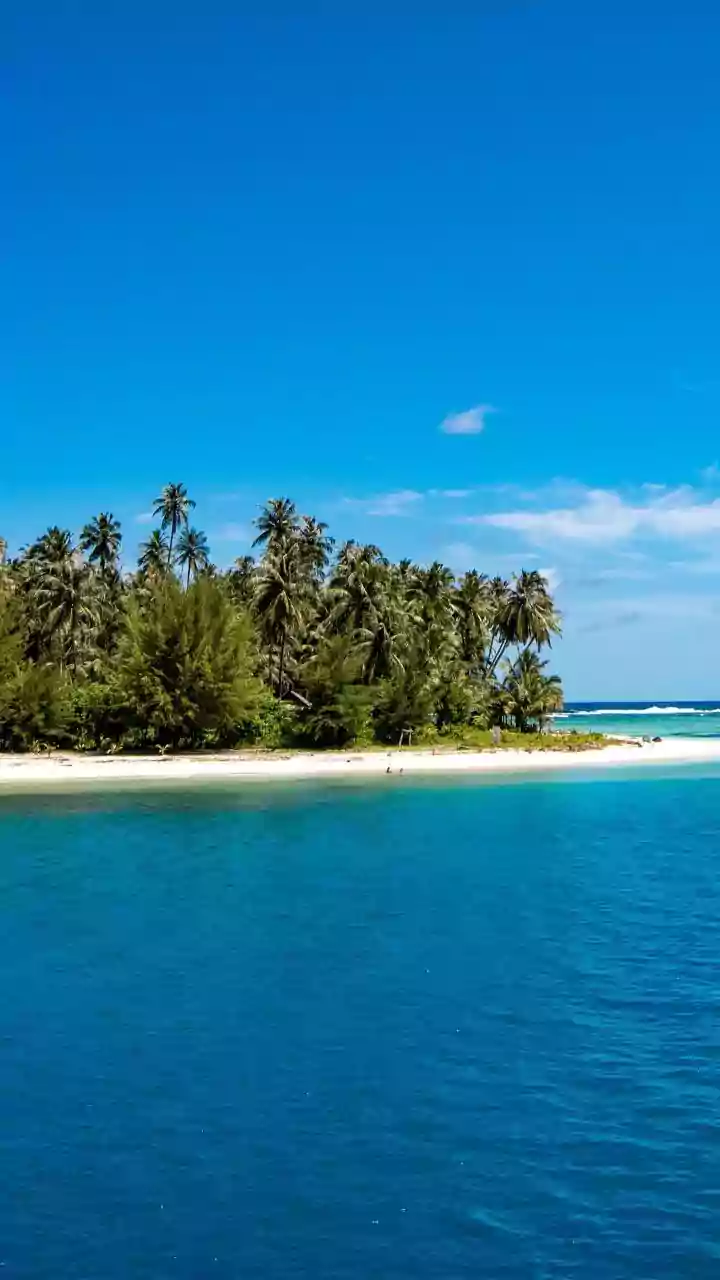
Lakshadweep is more than just a beach destination; it is a delicate marine sanctuary. Its coral atolls are home to over 600 species of fish, 78 species of coral, and serve as a critical habitat for endangered sea turtles. The clear, warm waters and healthy
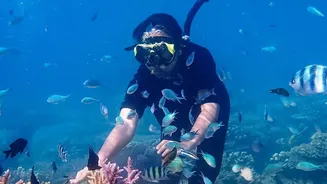
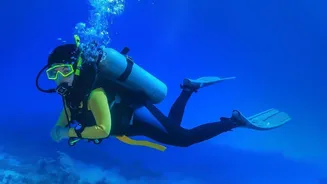
coral cover make it one of the most spectacular places in India for scuba diving and snorkelling. The isolation that has preserved its beauty also means that tourism is carefully managed, focusing on sustainability and minimal environmental impact, offering a truly exclusive and responsible travel experience.
Planning Your Trip: Permits and Best Season
A trip to these idyllic islands requires some planning. All non-residents must obtain an entry permit from the Lakshadweep administration. The process is now streamlined through an online portal, and recent rule changes have removed the need for a local sponsor or a Police Clearance Certificate for Indian tourists. You simply need to apply online at least 14 days in advance, specifying your travel dates and the islands you plan to visit. The best time for a diving expedition is from October to May, when the seas are calm, the skies are clear, and underwater visibility is at its peak.
Top Scuba Diving Sites
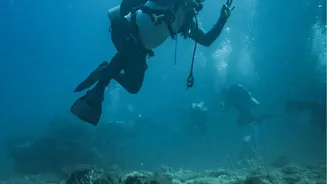
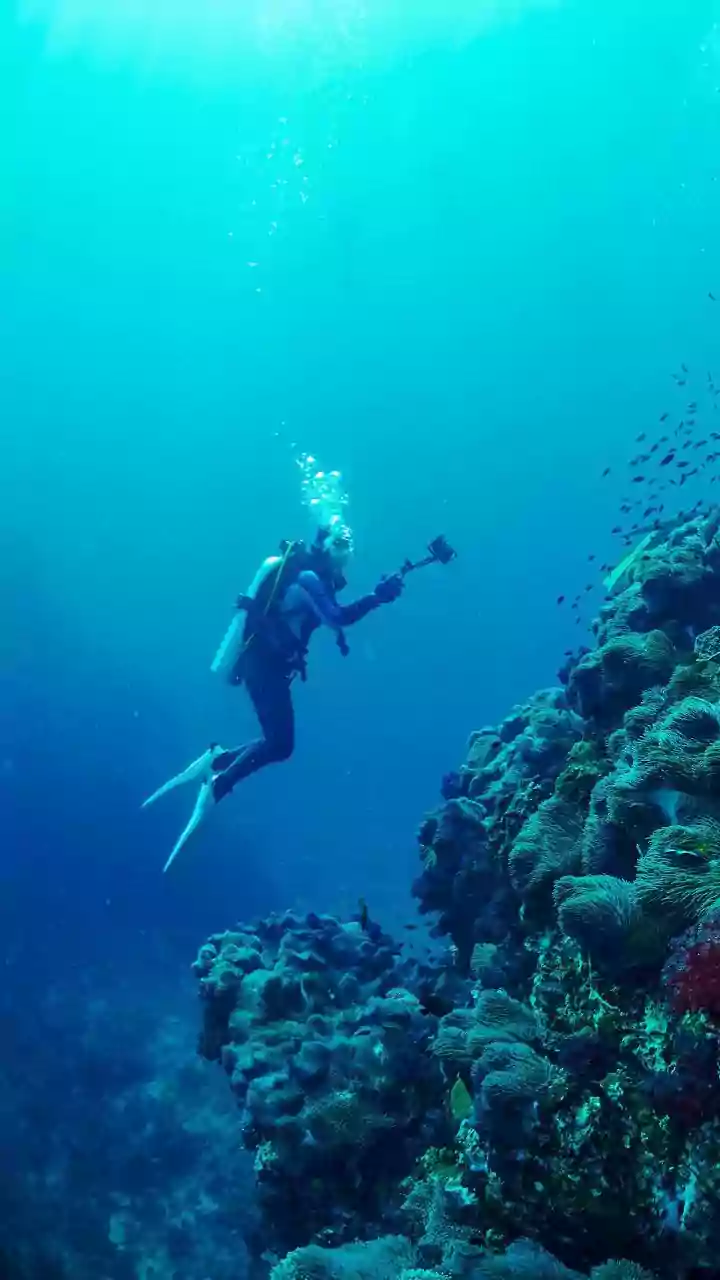
With dive centres on several islands, Lakshadweep caters to both novice and experienced divers. Agatti, Bangaram, Kadmat, and Kavaratti are the most popular islands for underwater exploration. At Bangaram Atoll, divers can explore dramatic wall drop-offs and encounter manta rays and reef sharks. Kadmat Island is famous for its long, tranquil lagoon filled with vibrant coral gardens, turtles, and rays, making it perfect for all skill levels. Kavaratti, the capital, offers over 20 dive sites with incredible biodiversity, including chances to see moray eels, groupers, and even explore caves. Agatti Island's calm lagoons are ideal for beginners to spot stingrays and colourful reef fish.
What You'll See Beneath the Waves
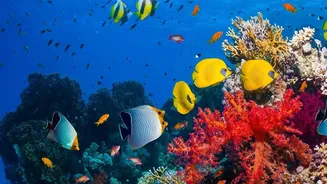
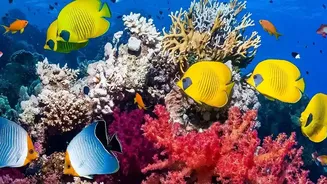
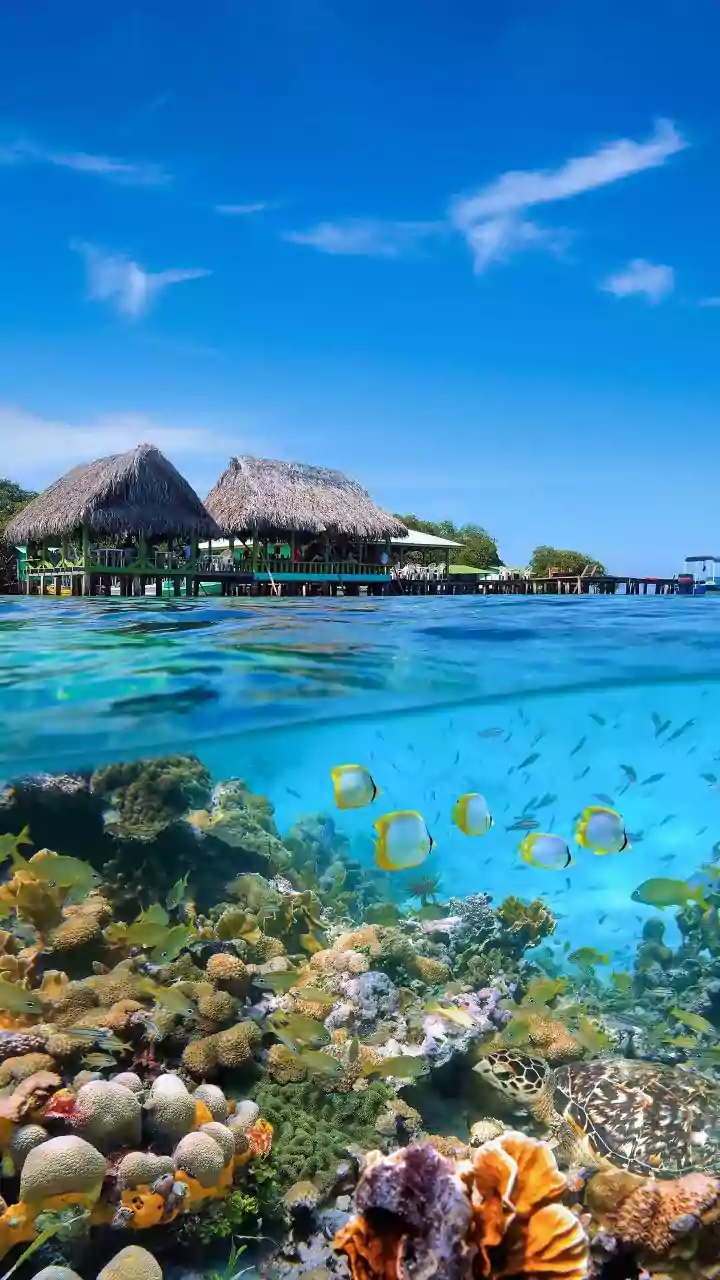
The marine life in Lakshadweep is incredibly diverse. As you descend, you'll be greeted by schools of colourful butterflyfish, parrotfish, and angelfish. Keep an eye out for graceful green sea turtles gliding by, and the sleek forms of blacktip reef sharks patrolling the coral edges. The reefs themselves are a marvel, with intricate formations of brain, table, and staghorn corals. Lucky divers might even spot majestic eagle rays, barracudas, and large tuna in the deeper waters. Some islands, like Bangaram, even offer the magical experience of witnessing glowing bioluminescent plankton at night.
Sustainable Stays: Eco-Conscious Resorts
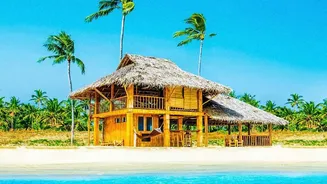
Lakshadweep's commitment to preserving its environment is reflected in its accommodation options. While tourism is largely managed by the government's SPORTS entity, new eco-luxury resorts are enhancing the experience. Praveg Resorts has launched properties on Bangaram and Thinnakara islands, featuring unique cocoon- and shell-shaped cottages built with environmentally neutral materials to minimize ecological impact. Similarly, IHCL's SeleQtions brand has opened the Bangaram Island Resort and the Coral Pearl, which features luxury glamping tents, both focused on responsible tourism and local engagement. For a more intimate stay, Coral Paradise on Agatti offers eco-friendly cottages right on the beach, blending comfort with a commitment to nature.