





The Symphony of the Monsoon
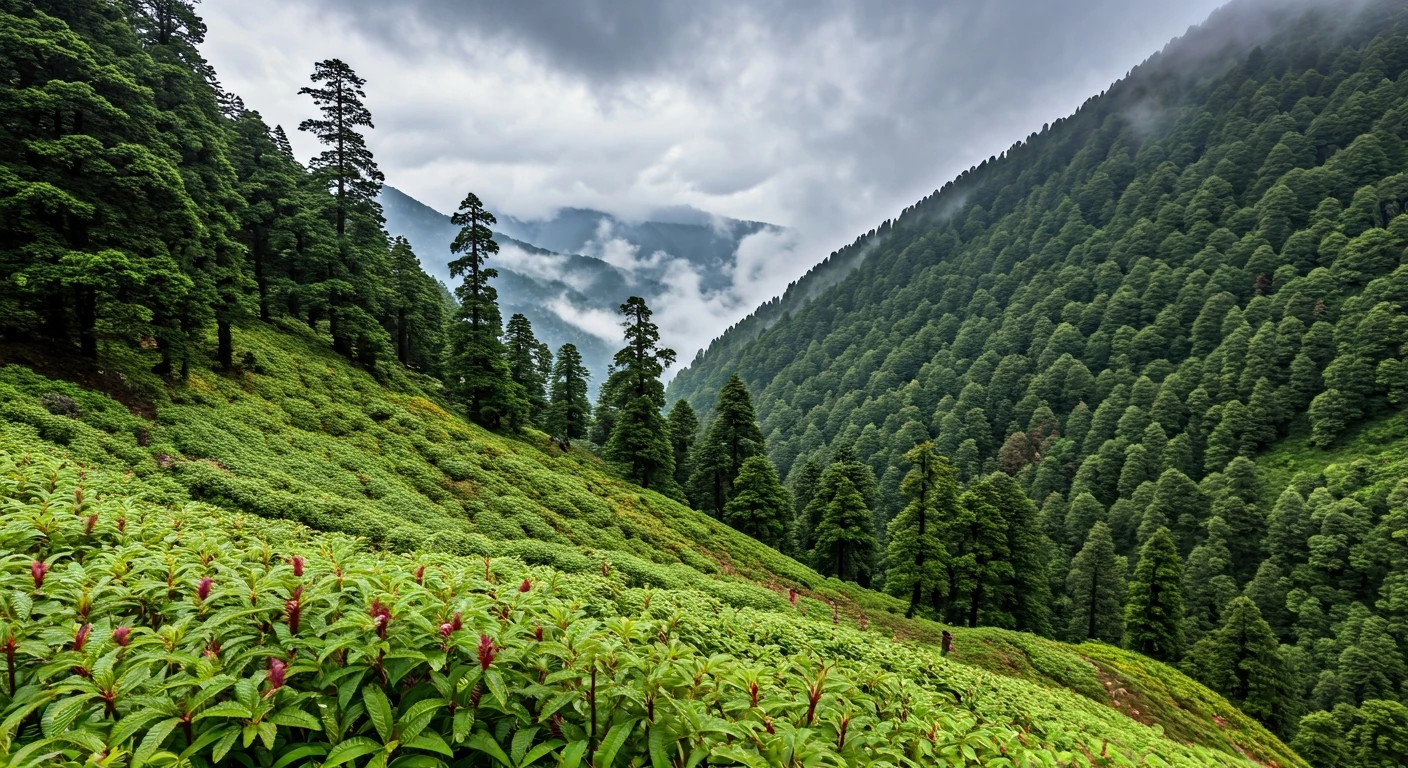
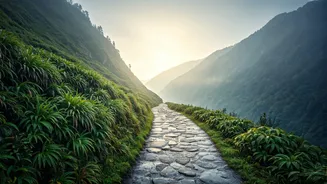
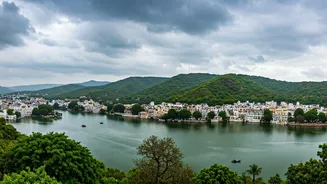
To visit Sikkim during the monsoon is to experience a world saturated in green. The rain washes away the dust, leaving behind a landscape so vibrant it almost hums with life. Hillsides draped in emerald forests are hugged by a persistent, romantic mist
that drifts through valleys and wraps around ancient monasteries. The air smells of wet earth and blooming wildflowers. This isn't just rain; it's the lifeblood of the region, a season that awakens a raw, unfiltered beauty that many tourists miss. While peak seasons draw crowds, the monsoon offers a quieter, more intimate encounter with nature, where the soundtrack is the steady drumming of rain and the roar of distant waterfalls.
Waterfalls in Full Splendour
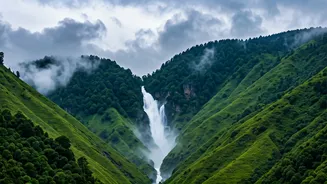
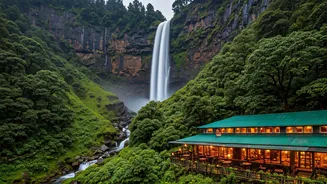
The monsoon is when Sikkim's waterfalls, often quiet streams at other times, become magnificent torrents of raw power. The famous Seven Sisters Waterfall, a collection of seven cascades, puts on its most dramatic show, thundering down the cliffside. Kanchenjunga Falls, believed to originate from the glaciers of the world's third-highest peak, becomes a majestic, roaring spectacle. Even smaller, unnamed streams become picturesque falls, appearing at every turn of the winding mountain roads. Places like Banjhakri and Bhim Nala Falls come alive, their spray creating a permanent mist in the air, making them must-visit sights for anyone travelling during this period.
Misty Valleys and Sacred Lakes
While some high-altitude areas in North Sikkim become inaccessible, the southern and western parts of the state open up like a storybook. Places like Pelling, Yuksom, and Ravangla offer breathtaking views of mist-filled valleys. Imagine gazing at the Rabdentse Palace Ruins, with ancient stones shrouded in fog, or visiting a monastery where the only sounds are chanting and rainfall. The sacred Khecheopalri Lake, known as the wish-fulfilling lake, takes on a mystical quality during this time, its surface calm and reflective amidst the lush, dripping foliage that surrounds it. These are not just sights; they are experiences, serene and deeply spiritual.
A Cup of Comfort and Cosy Retreats
The magic of a Sikkimese monsoon isn't just outdoors. There's a unique pleasure in seeking refuge from a sudden downpour in a warm, inviting café in Gangtok. Sipping on a cup of locally grown Temi tea while watching the rain lash against the window is an experience in itself. It's the perfect time to indulge in hot, steaming momos or a comforting bowl of thukpa. With fewer tourists, the monsoon is also a great time for a more personal travel experience. You can find great deals on hotels and spend your evenings in a cosy room, listening to the rain and feeling a profound sense of peace that the bustling peak season can't offer.
A Note for the Mindful Traveller
While enchanting, travelling to Sikkim during the monsoon requires a degree of caution and flexibility. The heavy rains can cause landslides and road blockages, particularly on the main highway NH-10 and in northern regions. It is crucial to hire experienced local drivers who understand the terrain. It's wise to avoid night travel, pack waterproof gear, and keep a few buffer days in your itinerary in case of unexpected delays. By embracing a slower pace and focusing on accessible areas like Gangtok, Pelling, and Namchi, you can safely enjoy the unparalleled beauty of the monsoon without the risks associated with more remote destinations.