



Good Form is Your First Defense
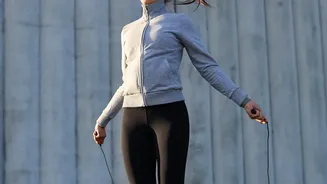
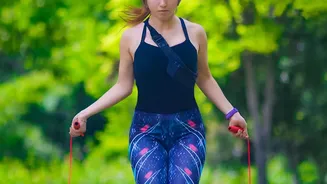
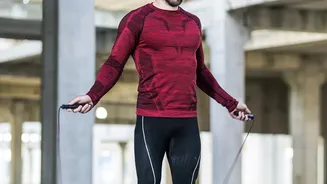
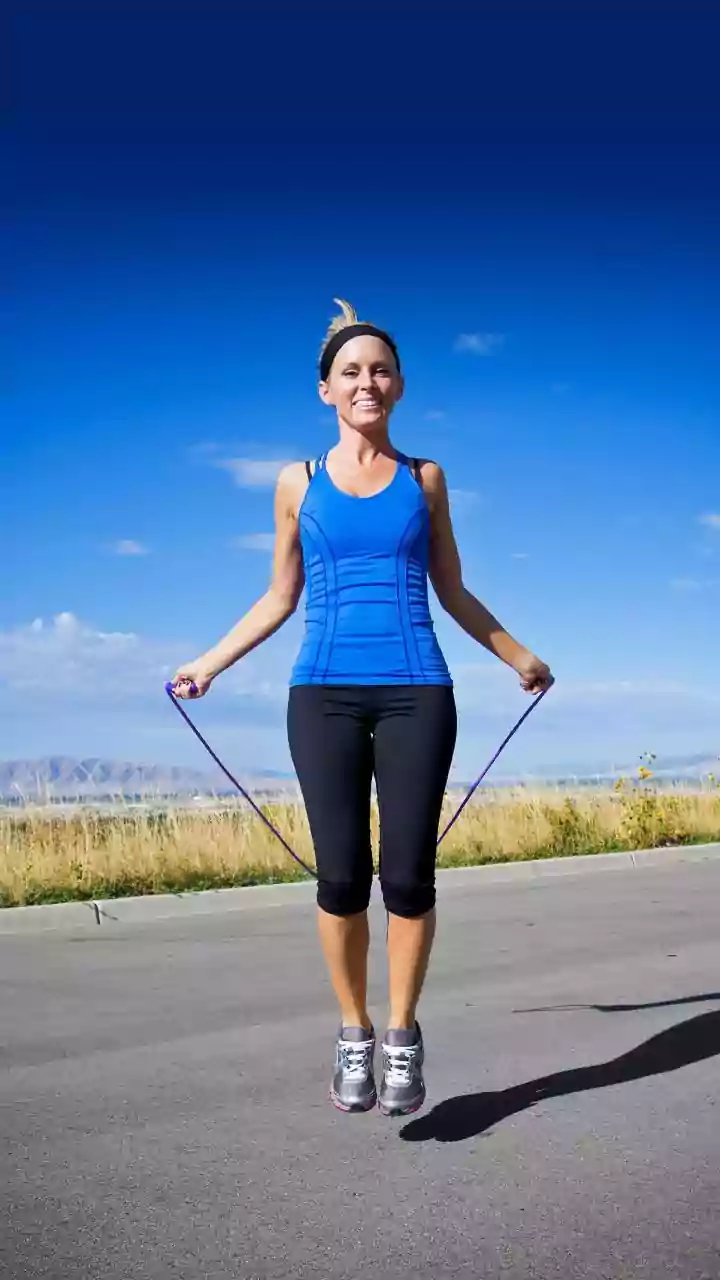
Contrary to what many believe, jumping rope is a low-impact exercise when done correctly. The key is to minimise the force traveling through your joints. Focus on small, controlled movements. Your feet should only lift one to two inches off the ground,
just enough to clear the rope. Always land softly on the balls of your feet, never letting your heels slam down. Keep a slight bend in your knees at all times to act as a natural shock absorber. This simple adjustment distributes the landing force through your calf muscles instead of sending it straight into your knees and hips. Your posture should be upright, with your core engaged to maintain balance and stability. The rotation of the rope should come from your wrists, not your arms and shoulders, which keeps the movement efficient and compact.
The Surface Under Your Feet Matters
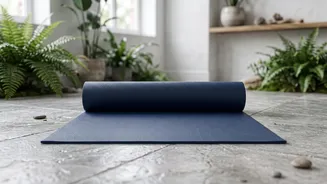
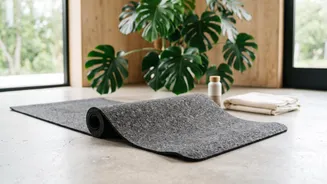
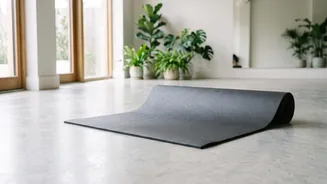
The surface you jump on plays a huge role in managing impact. Hard, unforgiving surfaces like concrete or tile are the worst offenders, as they provide zero shock absorption and can lead to issues like shin splints or joint pain. They also cause premature wear and tear on your rope. The ideal surface has some 'give' to it. Sprung wooden floors, like those found in gyms or dance studios, are excellent because they naturally flex under you. If you don't have access to a wood floor, the next best thing is a dedicated jump rope mat. A quality mat, usually made of dense rubber or foam, provides a cushioned yet firm surface that absorbs impact without compromising your stability. This not only protects your joints but also makes workouts quieter and extends the life of your jump rope. If you're outdoors, try to find flat, packed dirt or a rubberized running track.
Choosing the Right Gear
Your shoes are the next critical piece of the puzzle. While you don't need a specific 'jump rope shoe', you should look for footwear that offers stability, support, and adequate cushioning in the midsole, particularly under the ball of the foot. Cross-training shoes are often a great all-around choice because they are designed for varied movements, providing a stable, flat base with a firm midsole and a flexible forefoot. Avoid shoes that are overly soft or have a high, cushioned heel, as this can create instability. The right rope can also make a difference. Make sure it's sized correctly; when you stand on the middle of the rope, the handles should reach your armpits. A rope that's too long or too short will force you to alter your form, which can lead to injury.
Ease In and Listen to Your Body
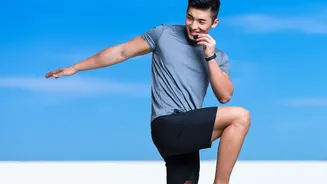
One of the biggest mistakes beginners make is doing too much, too soon. Your body, including your bones, tendons, and calf muscles, needs time to adapt to the new stress of jumping. Start with short sessions, perhaps just a few minutes at a time, and gradually increase your duration as you get stronger. It's also important to warm up properly before you start jumping. A 5-10 minute warm-up including dynamic stretches like high knees, butt kickers, and calf raises prepares your muscles for the activity to come. Finally, learn to differentiate between the good feeling of muscle fatigue and the bad signal of sharp or persistent pain. Pushing through pain is a recipe for injury. Common jump rope ailments include shin splints, plantar fasciitis, and Achilles tendonitis. If you feel sharp or worsening pain, stop and rest. Consistent discomfort is a sign to re-evaluate your form, footwear, or workout volume.