




A Conscious Stand Against 'Fast Furniture'
One of the most significant drivers behind the antique revival is a growing collective consciousness around sustainability. [8, 10, 13] For years, the home decor landscape was dominated by mass-produced items designed for quick turnover, contributing
to landfill waste and high carbon footprints. [9, 11] Today, there's a clear shift away from this disposable mindset. [4, 7] Choosing an antique is an inherently eco-friendly act; it's the ultimate form of recycling, giving a beautifully crafted item a second, third, or even fourth life. [4, 11] Research suggests that the carbon footprint of an antique piece of furniture can be up to 16 times lower than that of a newly manufactured item. [9] This move toward longevity, durability, and mindful consumption is a core reason why younger generations, including Millennials and Gen Z, are enthusiastically embracing the secondhand market. [2, 21] They appreciate the superior craftsmanship and quality materials of older pieces, which were made to last, unlike much of today's fast furniture. [2]
The Irresistible Pull of a Good Story
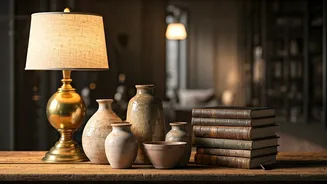
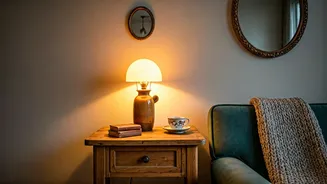
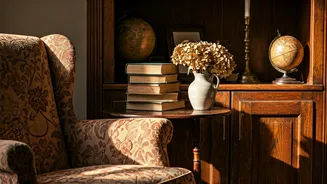
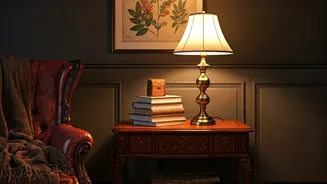
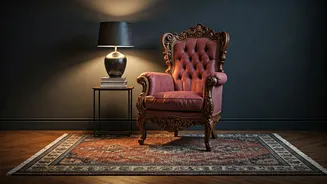
After a long reign of sterile minimalism and cookie-cutter gray interiors, people are craving homes with personality and soul. [1, 12] Antiques offer something that brand-new items simply cannot: a history. [4, 8] Each nick, patina, and imperfection tells a story, imbuing a space with a sense of warmth and character that feels collected over time rather than ordered from a catalog. [1, 7] Designers note that homeowners are tired of spaces that feel impersonal; they want rooms that are deeply connected to who they are. [1, 12] An antique Georgian chest of drawers, a vintage Murano glass lamp, or a collection of hand-painted ceramic plates on a wall introduces a narrative element. [1, 6] It’s this sense of discovery and whimsy that makes a home feel unique and alive. [14] This trend isn't about recreating a period-perfect museum but about thoughtfully weaving storied pieces into the fabric of modern life. [12]
The New Mix: Blending Old and New
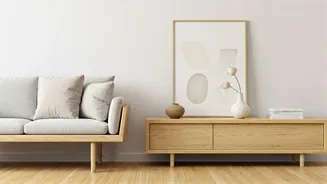
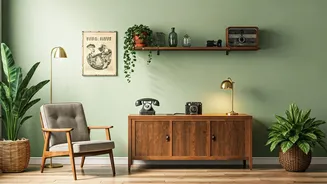
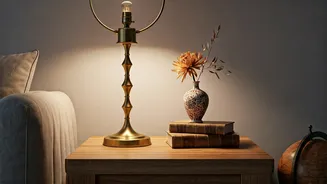
The 2026 approach to antiques is not about slavish devotion to a single era. Instead, the magic lies in the mix. The trend is to thoughtfully place antique pieces within contemporary settings to create a dynamic and interesting juxtaposition. [1, 15] An ornate, gilded mirror might hang above a sleek, modern console; a set of contemporary dining chairs could be paired with a rustic, antique farmhouse table. [15] This blend of old and new creates visual interest and prevents a room from feeling flat or one-dimensional. [15] Designers emphasize that mixing materials and textures—the warm patina of aged wood against cool metal, or a vintage chair reupholstered in a bold, modern fabric—is key to a successful, layered look. [15, 24] This curated approach makes a space feel more authentic and intentional. [7] It’s a move away from matching furniture sets and toward a more eclectic, evolved aesthetic that reflects a homeowner's personal journey. [24]
Grandma's House, but Make It Chic
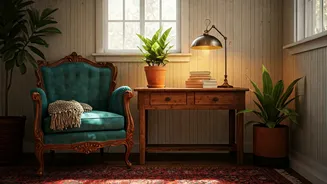
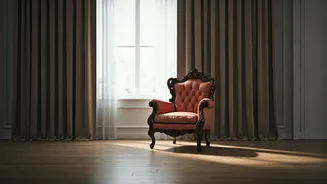
Certain styles once considered dated are enjoying a major renaissance. Items that might have been at home in a grandparent's house are being recontextualized for modern living. [14] Glass-front china cabinets and hutches, for example, are being used to display cherished collections, from vintage glassware to cookbooks, adding charm to kitchens and dining rooms. [1, 14] Skirted sofas and armchairs, once seen as old-fashioned, now feel timeless and welcoming. [1] Details like tufting and fringe are also making a comeback, adding a touch of nostalgic comfort. [14] Even decorative plate walls are reappearing as a characterful alternative to gallery walls. [1] This isn't about creating a stuffy, formal environment. Rather, it's about appreciating the craftsmanship and cozy aesthetic of these pieces, proving that what's old can indeed be new again. [1]