







Why Your Muscles Need Downtime
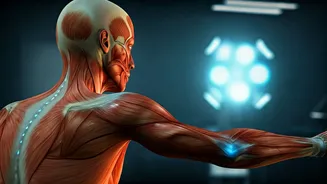
It might sound counterintuitive, but you don't actually build strength during a workout. Exercise, especially resistance training, creates tiny microscopic tears in your muscle fibres. [4, 19] This is a normal and necessary process. The real magic happens
afterwards. During recovery, your body gets to work repairing these tears, and in doing so, it rebuilds the muscles to be stronger and more resilient than before. [4, 23] This process is what leads to muscle growth, improved endurance, and better overall performance. [4] Skipping this crucial repair phase means you're not just stalling your progress; you're actively working against it, leading to tissue breakdown instead of building. [2]
The Pillars of Powerful Recovery
Effective recovery isn't just about sitting on the sofa. It's a combination of deliberate habits. Sleep is arguably the most powerful tool in your recovery arsenal. During deep sleep, your body releases growth hormone, which is vital for tissue repair and muscle growth. [10, 13] Skimping on sleep can reduce the production of this hormone, slowing down your recovery. [13, 16] Nutrition is the fuel for this repair process. Protein provides the essential amino acids your body uses as building blocks to mend muscle fibres, while carbohydrates are critical for replenishing the glycogen stores that fuel your workouts. [17, 19, 22] Finally, hydration is key. Water helps flush toxins from your muscles and transports nutrients, aiding the entire recovery process. [4, 20]
Active vs. Passive Recovery: What's the Difference?
Recovery can be either passive or active. Passive recovery is what most of us think of as 'rest'—complete inactivity, like sleeping or simply taking a day off. [1, 5] This is essential, especially in cases of injury or illness. [1] Active recovery, on the other hand, involves low-intensity movement on your rest days. [3, 5] Think of activities like a gentle walk, a leisurely swim, or a light yoga session. [9] The goal of active recovery is to increase blood flow to the muscles, which can help deliver more oxygen and nutrients to the tissue, clear out metabolic waste products like lactic acid, and potentially reduce muscle soreness. [9, 12] Incorporating at least one full passive recovery day per week is a good rule of thumb, supplemented by active recovery on other rest days. [1]
Are You Under-Recovering? The Telltale Signs
Many people think they're overtraining when, in fact, they are simply under-recovering. [20] Your body is pretty good at telling you when it needs a break. One of the most common signs is persistent muscle soreness that doesn't seem to go away. [20] You might also notice a plateau or even a decline in your performance, where workouts that used to feel manageable now feel incredibly difficult. [2, 21] Other signals include chronic fatigue, mood swings or irritability, difficulty sleeping despite feeling tired, and an increase in nagging injuries. [18, 20, 25] If you're experiencing several of these symptoms, it's a clear sign your body is crying out for more dedicated recovery time.