


The Two Faces of Elaichi
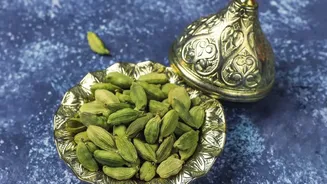
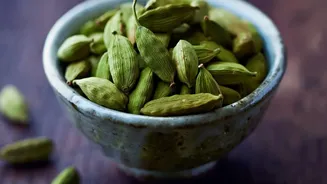
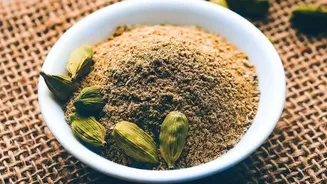
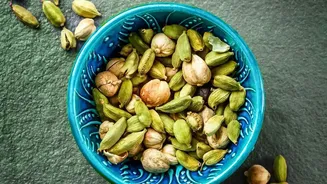
Before diving into recipes, it's helpful to know the two main players: green and black cardamom. Green cardamom, or 'choti elaichi', is the more common variety, known for its sweet, floral, and slightly minty flavour. It's the star of desserts and beverages.
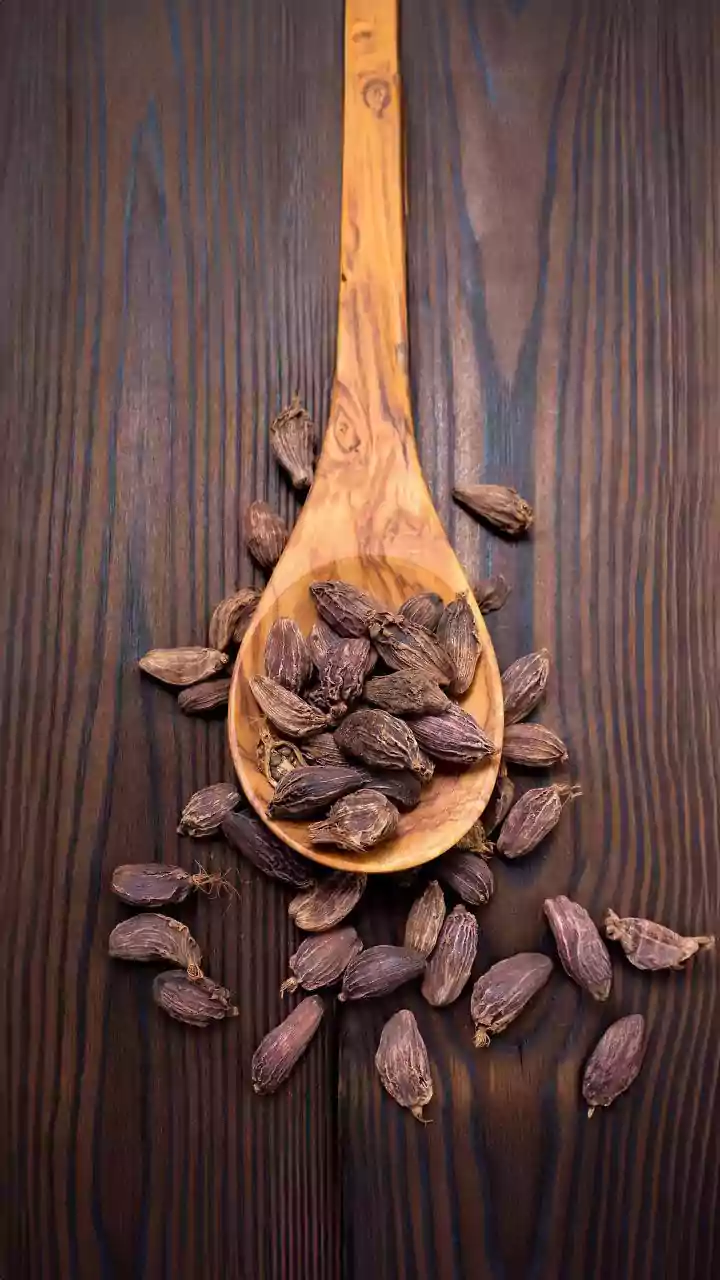
Black cardamom, or 'badi elaichi', is its larger, smokier cousin. Dried over an open fire, it has a deep, earthy, and camphor-like aroma best suited for hearty, slow-cooked savoury dishes. Using one in place of the other is not recommended, as their flavour profiles are distinct and not interchangeable.
The Soul of Indian Beverages
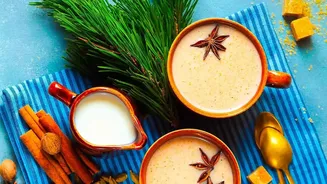
For many, the day begins with the fragrance of 'elaichi chai'. Crushing two or three green cardamom pods into your brewing tea creates a cup that is both warming and soothing. But its use in drinks doesn't stop there. A pinch of ground cardamom can transform a simple yoghurt lassi, adding a layer of aromatic complexity. It's also a traditional freshener; chewing on a pod after a meal is a centuries-old practice to aid digestion and combat bad breath. In the Middle East, a similar tradition exists where cardamom is famously added to coffee, a practice that not only enhances the flavour but is also thought to neutralise some of caffeine's acidity.
Beyond Biryani in Savoury Cooking
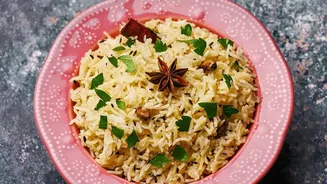
While whole green cardamom pods are essential for infusing biryanis and pulaos with their signature aroma, their savoury applications are far broader. Both green and black cardamom are core components of garam masala, where the sweet notes of green balance the heat of other spices and the smokiness of black adds depth. Black cardamom, in particular, is a hero in rich, slow-cooked dishes. Adding a whole pod or two to dals, meat curries, or paneer gravies imparts a profound, smoky base flavour that cannot be replicated. You can also add crushed pods to marinades for tandoori dishes or grilled meats to infuse them with a warm, citrusy essence.
The Secret to Unforgettable Sweets
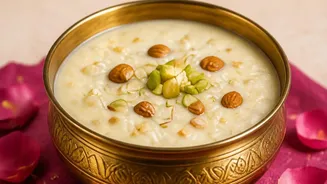
If there's one area where green cardamom truly reigns, it's in Indian desserts. Its ground form is the soul of classics like kheer, gulab jamun, and rasmalai, lending a warm, sweet fragrance that defines these treats. But its use extends to modern baking as well. Consider swapping it for cinnamon in your next batch of banana bread, cookies, or muffins for an unexpected and sophisticated twist. It pairs beautifully with flavours like chocolate, citrus, and nuts. For a simple yet elegant dessert, try making a fruit compote by simmering pears or peaches with honey and a pinch of cardamom, perfect for serving over yoghurt.
A Global Spice Adventure
Cardamom's journey didn't stop in India. It's a cherished spice across the globe. In Scandinavia, it's the signature flavour in sweet breads and buns, a tradition brought north by Vikings centuries ago. In Middle Eastern cuisine, it's a key ingredient in spice blends like baharat and is used to perfume everything from lamb dishes to pastries like baklava. You can even get creative in your own kitchen by adding a pinch to unexpected places. A small amount in a lemon-honey vinaigrette adds a mysterious floral warmth to salads, while a bit stirred into whipped cream or Greek yoghurt with honey creates a simple, stunning dessert topping.