




The Grain Revolution on Your Cafe Table
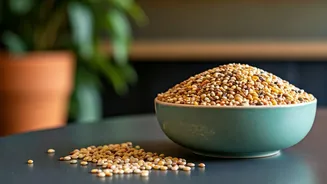
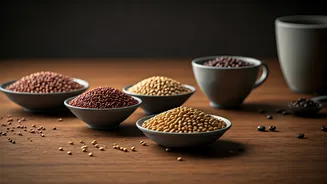
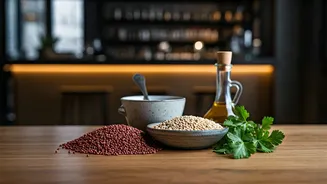
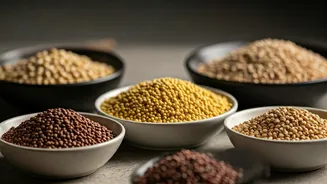
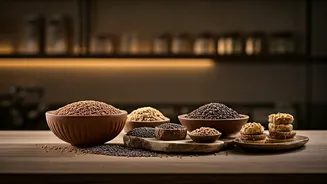
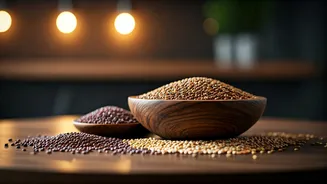
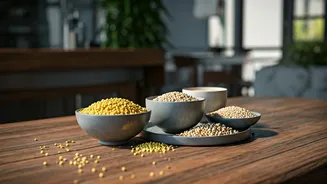
Walk into a trendy cafe in Mumbai, Bengaluru, or Delhi today, and you'll find more than just avocado toast and croissants. You're just as likely to see ragi pancakes, jowar-crust pizzas, and foxtail millet upma. Once considered a rustic staple, millets
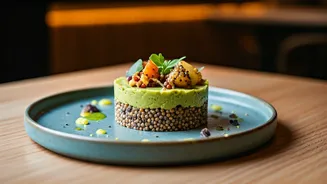
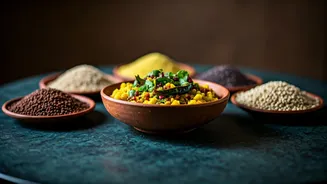
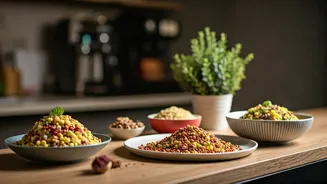
are being reborn as a gourmet ingredient. This isn't just about adding a 'healthy' option; it's a full-blown culinary movement. Cafes are creatively integrating these ancient grains into contemporary dishes that appeal to modern palates, transforming them into everything from millet tacos and haleem to sophisticated salads and desserts. This shift signifies a departure from the long-held fascination with imported 'superfoods,' signalling a confident return to local, indigenous ingredients.
A Perfect Storm: Why Millets, Why Now?
Several factors are driving this millet renaissance. Firstly, a massive wave of health consciousness is sweeping urban India. Millets are nutritional powerhouses—gluten-free, high in fibre and protein, and packed with essential minerals like iron and calcium. Their low glycemic index makes them ideal for managing blood sugar levels, a significant concern for many. Secondly, there's the sustainability angle. Millets are climate-resilient crops, requiring significantly less water than rice and wheat and thriving in arid conditions, making them an eco-friendly choice for a water-stressed world. Lastly, the government's push, including the UN's declaration of 2023 as the International Year of Millets at India's behest, has dramatically raised their profile, encouraging chefs and consumers alike to give them a second look.
From Ragi Lattes to Jowar Pizzas: A Taste of the Trend
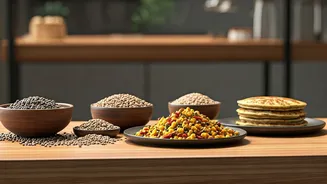
The creativity on display is astounding. Chefs are moving beyond traditional porridges and flatbreads. In Goa, you might find a taco made with sorghum and millet. Mumbai's cafes offer millet dosas with inventive chutneys, while Delhi is serving up ragi vada pav and even millet-based cheesecakes. Eateries like Toast & Tonic in Bengaluru and Cafe Natural have embraced millet-based menus, offering everything from starters to mains. This innovation is key; by presenting millets in familiar and beloved formats like pastas, pizzas, and burgers, chefs are making them accessible and exciting to a new generation of diners who prioritize both health and flavour.
Chefs as Champions of the Local
This trend owes a great deal to the chefs and restaurateurs championing the cause. Visionaries like Chef Vikas Chawla, known as the 'Millet Chef of India', have been instrumental in showcasing the grain's versatility. They are not just cooking with millets but are actively educating diners about their benefits and reviving lost culinary traditions with a modern twist. By experimenting with ragi thin-crust pizzas and millet sushi, they are proving that healthy eating doesn't have to be bland. These culinary leaders are sourcing ingredients from local farmers, creating a sustainable ecosystem that benefits both the environment and rural communities.
More Than Just a Passing Fad
While food trends can be fleeting, the millet movement appears to have deep roots. Its rise is tied to fundamental shifts in consumer behaviour towards wellness, sustainability, and a renewed pride in Indian culinary heritage. For years, the narrative was dominated by imported grains, but the rediscovery of our own superfoods marks a significant cultural moment. As consumers and chefs continue to explore the richness of India's agricultural biodiversity, millets are not just owning the cafe scene—they are helping to redefine what it means to eat well in modern India. This isn't just about a change in menu, but a change in mindset.