






The End of the Checklist Vacation
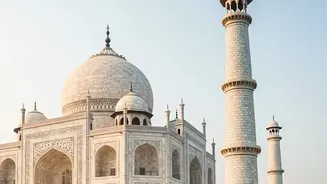
For decades, a successful holiday was often measured by the number of landmarks visited and photos taken. Group tours offered an efficient, if exhausting, way to see the world, herding travellers from one famous sight to another. This 'checklist' approach,
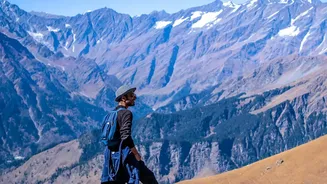
however, is losing its appeal. Today, Indian travellers are increasingly asking not 'how many places can we see?', but 'how deeply can we experience one place?'. This shift signals a maturing travel mindset, moving away from consumption-driven tourism towards one of genuine connection and relaxation. The focus is no longer on simply seeing a destination, but on feeling and understanding it.
What's Driving the Shift?
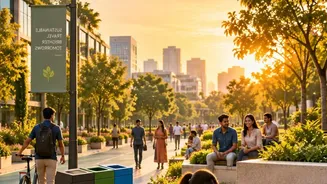
Several factors are fuelling this evolution. A key driver is a collective desire for more meaningful experiences. Relaxation is now a primary travel motivation for a majority of Indian travellers, who are seeking escapes from crowded urban life. This trend, sometimes called 'slow travel', is also powered by the rise of a younger, digitally savvy generation of travellers—Millennials and Gen Z—who are reshaping tourism with their preference for experience-led journeys. Furthermore, the practicalities of modern work, like flexible and remote arrangements, make it easier to plan longer, more immersive stays. This allows for a deeper dive into a single location rather than a superficial skim of many.
The Rise of the 'Flexi-Vation'
In place of rigid, pre-planned packages, travellers are embracing what could be called the 'flexi-vation'. This approach is defined by its adaptability and spontaneity. Instead of a fixed itinerary, plans are kept loose, allowing for impromptu decisions based on local recommendations or personal interest. Travel companies are noticing a clear shift towards longer holidays of 10 to 14 days, which allows for this unhurried pace. It’s a move from being a tourist to becoming a temporary local, where the goal is to absorb the rhythm of a place. This might mean spending an entire week exploring one village or region, using local transport, and discovering hidden gems that don't appear in guidebooks.
Authenticity Over Amenities
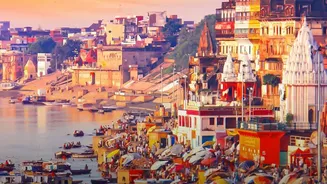
This new travel ethos also changes where people stay and what they do. There's a growing preference for accommodations that offer a genuine sense of place. Homestays, boutique hotels, and farm stays are gaining popularity over large, impersonal hotel chains. The focus is on cultural immersion, with travellers seeking out activities like local cooking classes, artisan workshops, or community festivals. It's about trading the five-star buffet for a meal at a family-run eatery or swapping a generic city tour for a conversation with a local artisan. According to recent reports, an overwhelming majority of Indian travellers now want to support small, independent businesses and have authentic cultural exchanges during their trips.
How the Travel Industry Is Responding
The travel industry is adapting to this significant change in consumer behaviour. Tour operators and destination management companies are moving away from one-size-fits-all packages and becoming 'experience curators'. They are using technology to offer highly personalised and customisable itineraries that cater to individual interests, whether it's a wellness retreat in the Himalayas or a culinary tour through Jaipur. Many are now designing bespoke, private tours that prioritise privacy, seamless logistics, and flexible pacing, ensuring comfort without sacrificing authenticity. The emphasis is on enabling travellers to connect meaningfully with a destination, reflecting a fundamental shift in what it means to have a truly memorable holiday.