






As temperatures drop, we naturally seek comfort and warmth from our food. But instead of chasing exaggerated claims about 'heat-generating' foods, the real secret lies in embracing the simple, nutrient-dense produce that winter generously provides.
Go Back to Your Roots
Winter
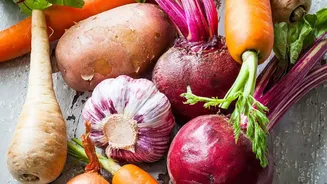
is the season when root vegetables are at their sweetest and most abundant. Carrots, beetroot, radishes, and turnips are pulled from the cool earth packed with nutrients. Their natural starches provide sustained energy, which the body uses to maintain its core temperature. Instead of complex recipes, think simple. Grate carrots and radishes into a fresh 'koshimbir' or salad with a simple tempering of mustard seeds and curry leaves. Roast beetroot with a pinch of salt and pepper to bring out its earthy sweetness. A simple turnip and potato 'sabzi' can be a comforting and quick weeknight meal. These vegetables are versatile, affordable, and form the foundation of a hearty winter diet.
Embrace the Green Wave
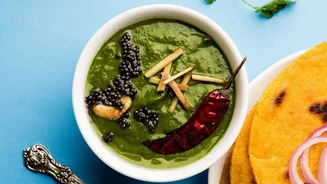
The winter markets are flooded with a stunning variety of leafy greens. From spinach and 'methi' (fenugreek leaves) to 'sarson' (mustard greens) and 'bathua' (chenopodium), these greens are packed with vitamins and iron. The iconic 'sarson da saag' is a testament to the power of seasonal eating, a dish perfectly designed for the cold North Indian plains. But you don't need to commit to a slow-cooked saga every day. Quickly wilt spinach with some garlic for a simple side dish. Add chopped methi leaves to your roti or paratha dough for a flavourful and nutritious twist. A simple 'dal palak' is a staple in many Indian homes for a reason: it's a perfectly balanced, warming, and easy-to-digest meal that celebrates the season's best.
A Boost of Winter Citrus
While we crave warmth, our immune systems need support during winter. This is where seasonal citrus fruits come in. Juicy oranges, 'kinnows', and grapefruits are at their peak, offering a delicious dose of Vitamin C. Another winter hero is the Indian gooseberry, or 'amla'. While its taste can be sharp, its health benefits are widely celebrated in Ayurveda. You can have it juiced, pickled as 'murabba', or simply grated with a little salt. Integrating these fruits into your diet is a simple way to help support your body's natural defences. They provide hydration and brightness on cold, grey days, reminding us that winter has its own vibrant palette.
Rethink Your Grains and Spices
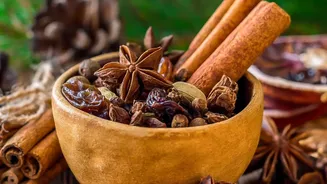
The principle of seasonal eating extends to grains as well. Traditional winter diets in many parts of India swap out wheat and rice for more rustic grains like 'bajra' (pearl millet) and 'makki' (maize). These grains are considered more warming due to their nutrient density and the fact that they take slightly longer to digest, a process that generates internal heat. A simple 'bajra ni rotlo' with a dollop of white butter or 'makki di roti' are not just meals; they are experiences. Alongside grains, spices play a crucial role. Ginger, black pepper, and turmeric are not 'miracle' warmers, but they do aid digestion and circulation. A warm cup of ginger tea or adding fresh turmeric to your 'dal' are simple, effective ways to incorporate them.
The Truth About 'Warming' Foods
Many foods are marketed with claims of providing instant, almost magical warmth. The reality is more scientific and less sensational. The feeling of warmth from food comes from a few places: its temperature, its spiciness triggering heat receptors, and the thermic effect of digestion. Digesting any food requires energy and generates heat, with protein and complex carbohydrates having a slightly higher effect than simple fats. Therefore, a hearty stew, a thick 'dal', or a millet 'khichdi' feels comforting not because of a single 'miracle' ingredient, but because it is a warm, nutrient-dense meal that provides your body with the fuel it needs to generate its own heat. The focus should be on nourishment, not on myths.