




The Monsoon's Verdant Embrace
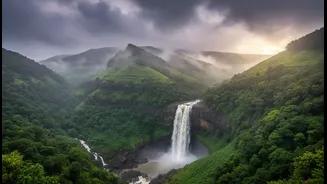
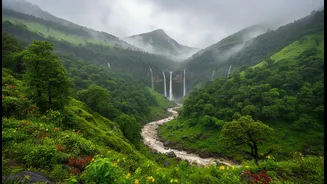
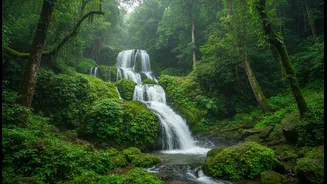
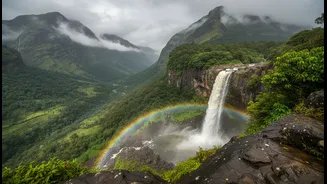
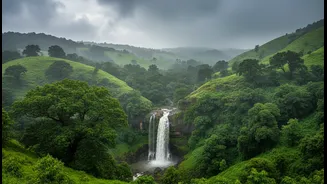
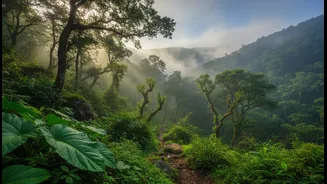
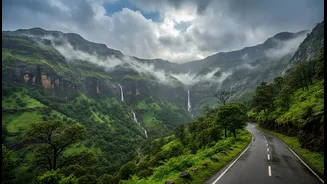
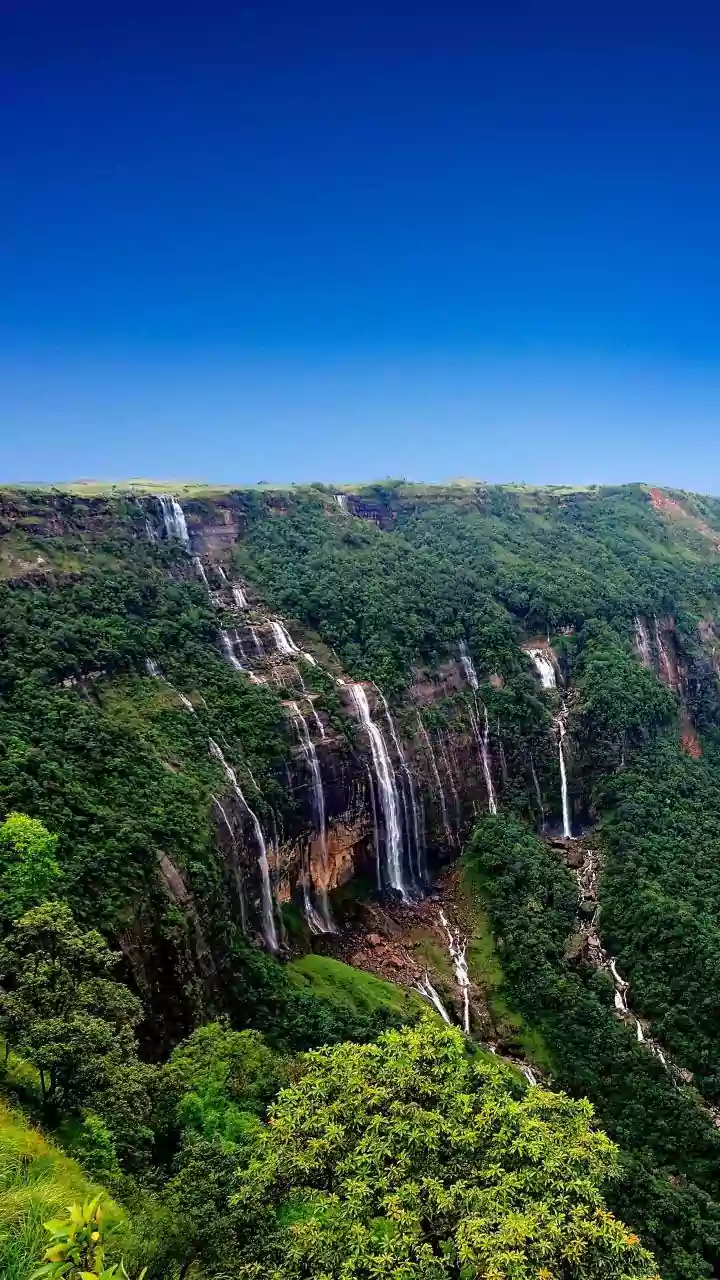
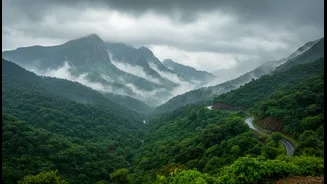
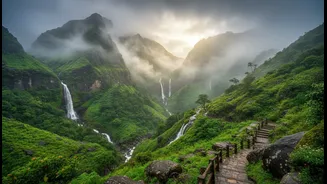
From June to September, the Sahyadri range undergoes a dramatic transformation. Parched brown slopes give way to a seemingly infinite palette of greens. Seasonal waterfalls, some roaring and others like silver threads, appear on almost every cliff face.
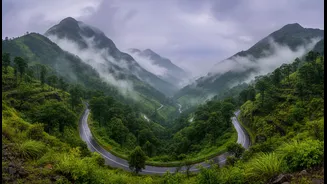
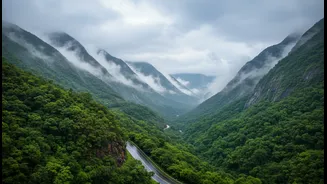
The air, thick with the earthy scent of petrichor, is cool and refreshing. This is when the Ghats truly come alive, offering a sensory experience that is both exhilarating and deeply calming. Driving through winding roads enveloped in mist, with clouds drifting below you in the valleys, is an experience that draws thousands of travellers from cities like Mumbai, Pune, and Bengaluru every year. The entire ecosystem, from the smallest glowing insects to the largest predators, rejoices in the rain, making it a prime time for biodiversity trails and nature walks.
Top Spots for a Monsoon Spectacle
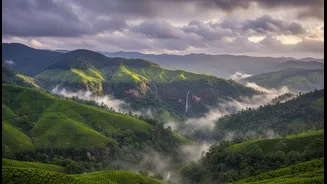
While the entire range is beautiful, certain destinations offer the quintessential monsoon experience. In Maharashtra, Lonavala and Malshej Ghat become hotspots for their accessibility and dramatic waterfalls. Further south, Mahabaleshwar, with its fog-draped viewpoints like Arthur's Seat, offers a classic hill station escape. In Karnataka, the coffee plantations of Coorg (Kodagu) and Chikmagalur become exceptionally beautiful, with rain-washed leaves and mist hanging low over the rolling hills. Kerala is not to be outdone, with Munnar's sprawling tea gardens looking greener than ever and Wayanad offering a mix of waterfalls, spice plantations, and serene lakes. Each of these places provides a unique window into the monsoon's grandeur. However, always check local advisories before travelling, as popular trekking routes or waterfall areas may be restricted for safety reasons.
Your Pre-Trip Checklist
A safe monsoon journey begins before you even leave home. First, get your vehicle serviced. Pay special attention to tyres, brakes, and wipers; they are your first line of defence on wet, slippery roads. Ensure your headlights and fog lamps are working perfectly for low-visibility conditions. Inside the car, pack an emergency kit that includes a first-aid box, a powerful torch, a fully charged power bank, and some dry snacks and water. When packing your luggage, think waterproof. Use waterproof bags or covers for your backpacks. Pack clothes that dry quickly and avoid heavy fabrics like denim. A sturdy pair of shoes with good grip is non-negotiable, whether you plan to trek or just walk around.
Safety on the Road and Trail
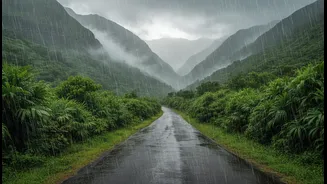
The journey is as important as the destination, especially in the Ghats. Drive slow and maintain a safe distance from the vehicle ahead. Be extremely cautious on hairpin bends, which can be slippery and have poor visibility. Avoid driving at night if possible. Recent weather reports indicate heavy rainfall in parts of the Western Ghats, increasing the risk of landslides and roadblocks. Always have a flexible itinerary and be prepared for delays. If you're trekking, stick to marked trails and never go alone. Inform someone about your plans. Waterfalls and streams are tempting, but their currents can be deceptively strong; avoid swimming in unfamiliar or overflowing water bodies. Leeches are common, so carry a small pouch of salt or a sanitiser to deal with them.
Embrace the Unexpected
Monsoon travel is as much about the mindset as it is about the destination. Plans can and do change. A road might be blocked, or a viewpoint may be completely obscured by fog. Instead of getting frustrated, embrace it. Sometimes the best memories are made when you're forced to slow down. That unscheduled stop could lead you to a charming local tea stall. A foggy afternoon is the perfect excuse to curl up with a book and a hot beverage, listening to the rhythm of the rain. The goal is not just to see the Western Ghats, but to experience them in all their wild, unpredictable, and breathtaking glory.