


What Makes Milk Bread Different?
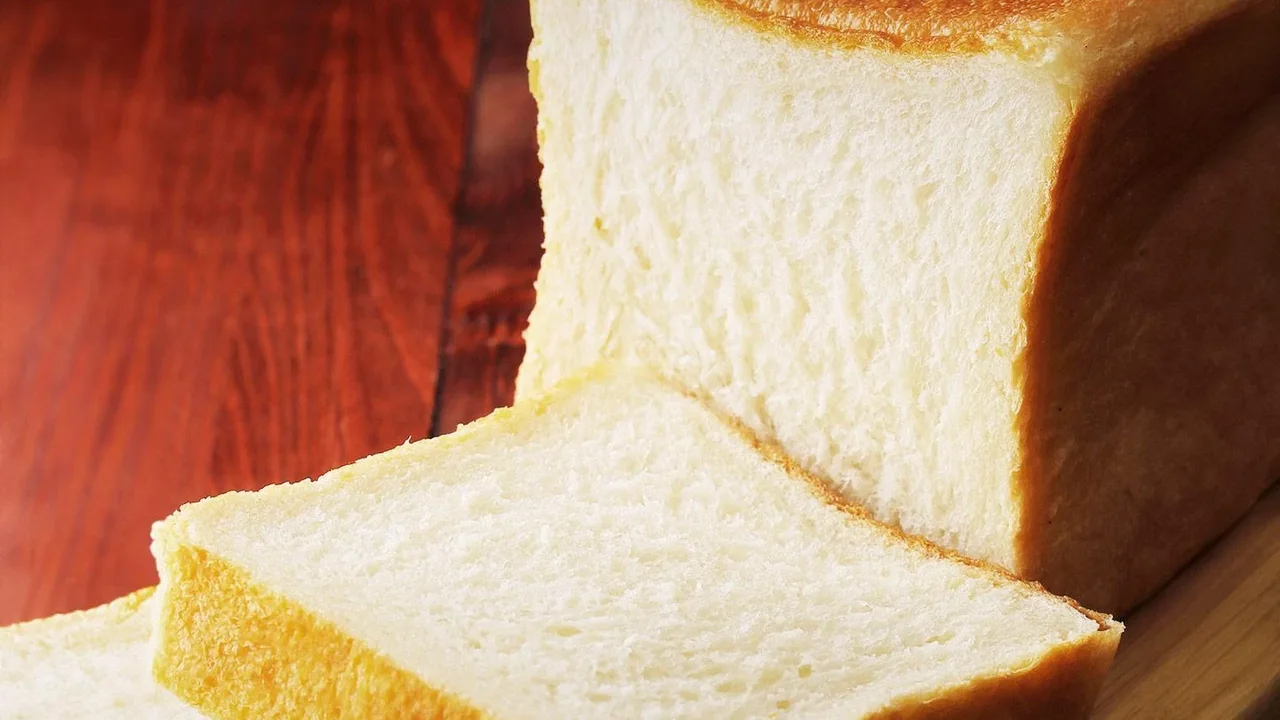
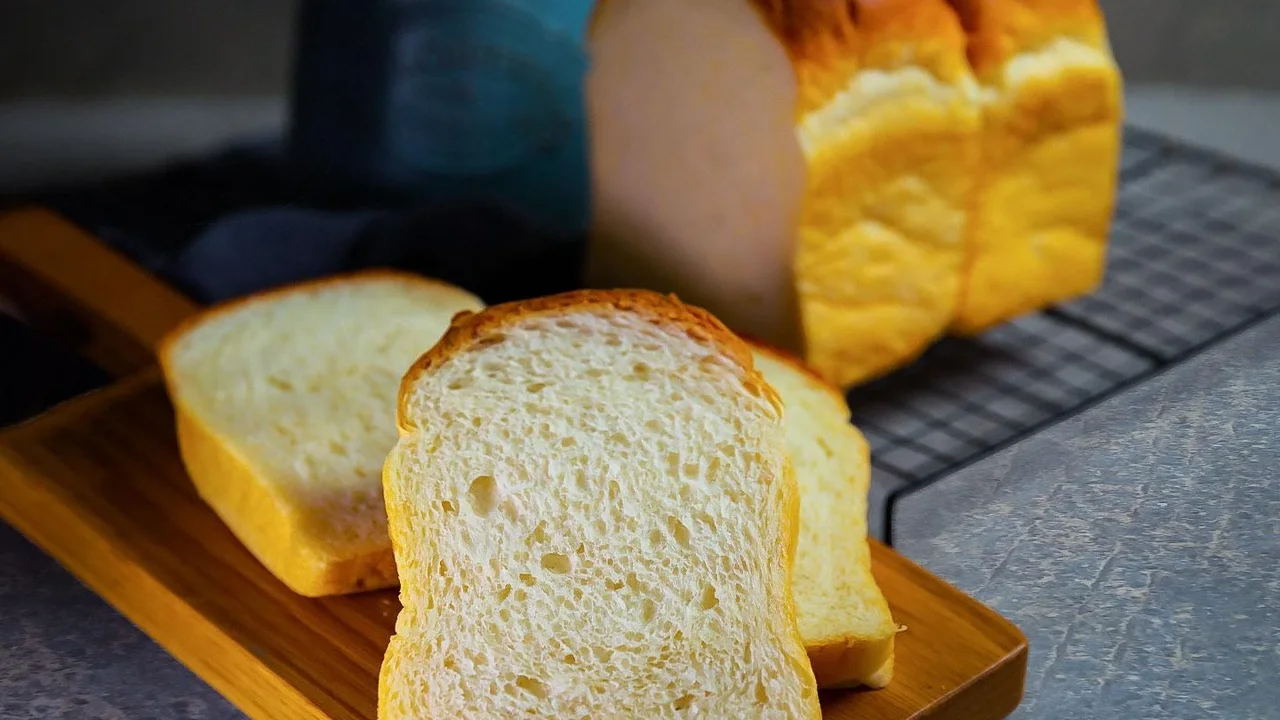
At first glance, shokupan might look like a simple loaf of white bread. But one touch or taste reveals it’s something else entirely. Described as having a “miracle of engineering,” its texture is moist but not gummy, rich yet light, and perfectly balanced
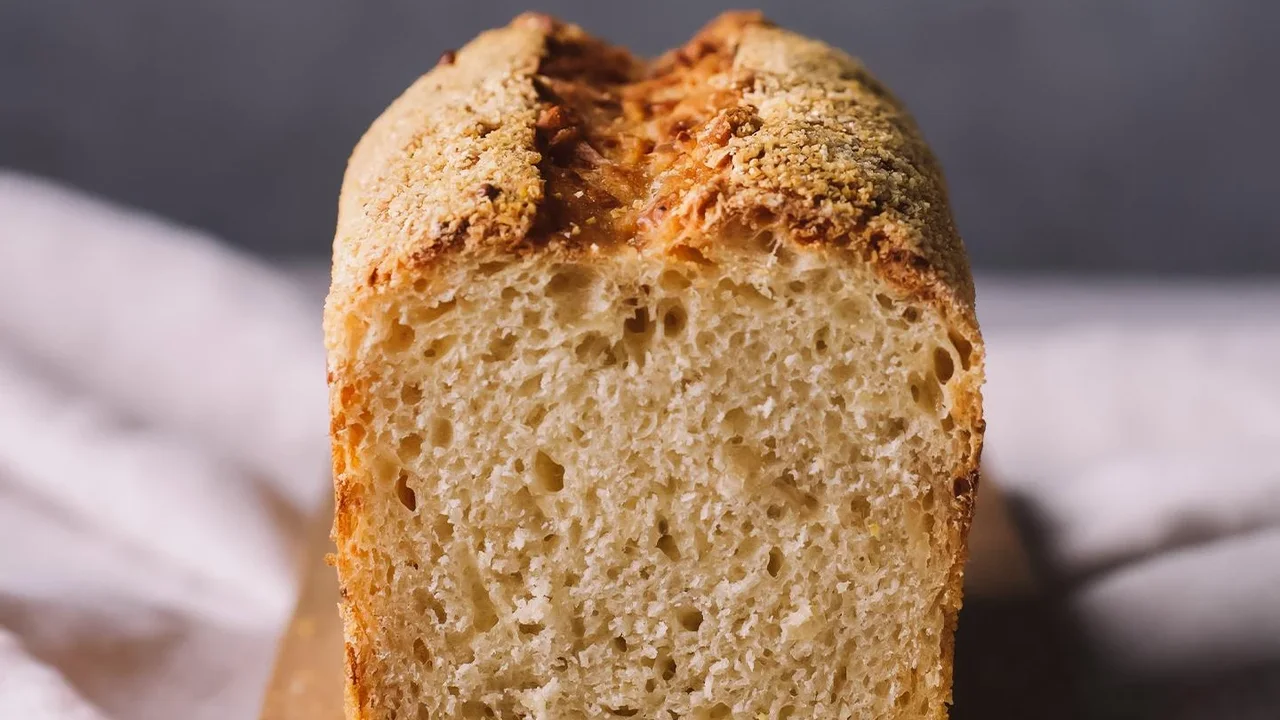
between sweet and salty. In Japan, shokupan, which translates to “eating bread,” is a daily staple, a cornerstone of breakfast tables and the foundation for iconic sandwiches. It’s the kind of bread that is often sold in dedicated specialty shops, where people will queue for a 'luxury' loaf. Unlike the crisp crust of a French baguette or the dense crumb of a sourdough, shokupan is prized for its pillowy softness and slightly chewy, 'mochi-like' texture from crust to centre.
The Secret Is a Special Technique
The magic behind shokupan’s unique texture lies in a method known as tangzhong or yudane. This technique involves cooking a small portion of the recipe's flour with water or milk to create a thick paste, or roux, before adding it to the rest of the dough ingredients. This pre-gelatinization process allows the flour to absorb and hold onto more moisture. The result is a dough that bakes into a loftier, softer loaf that also stays fresh for longer. While bread was not traditionally part of Japan's food culture, it became more widespread after World War II. Japanese bakers took the concept of a Western-style loaf and elevated it, applying their meticulous attention to detail and innovative techniques to create the uniquely fluffy bread that is so beloved today.
A Global Sensation
Once a staple found primarily in Asian bakeries, shokupan has officially gone global. The bread's popularity surged outside of Asia in the 2020s, fueled by social media and a growing appreciation for Japanese culinary arts. From London to New York, artisanal bakeries and even supermarket chains are adding milk bread to their offerings. In the UK, one major retailer reported that online searches for "Japanese milk buns" soared by over 600% in a single month. This rise in popularity is attributed not just to home bakers but also to its adoption by high-end burger restaurants and bakeries specializing in East Asian pastries, which use the soft, slightly sweet buns to complement both savory and sweet fillings.
More Than Just Toast
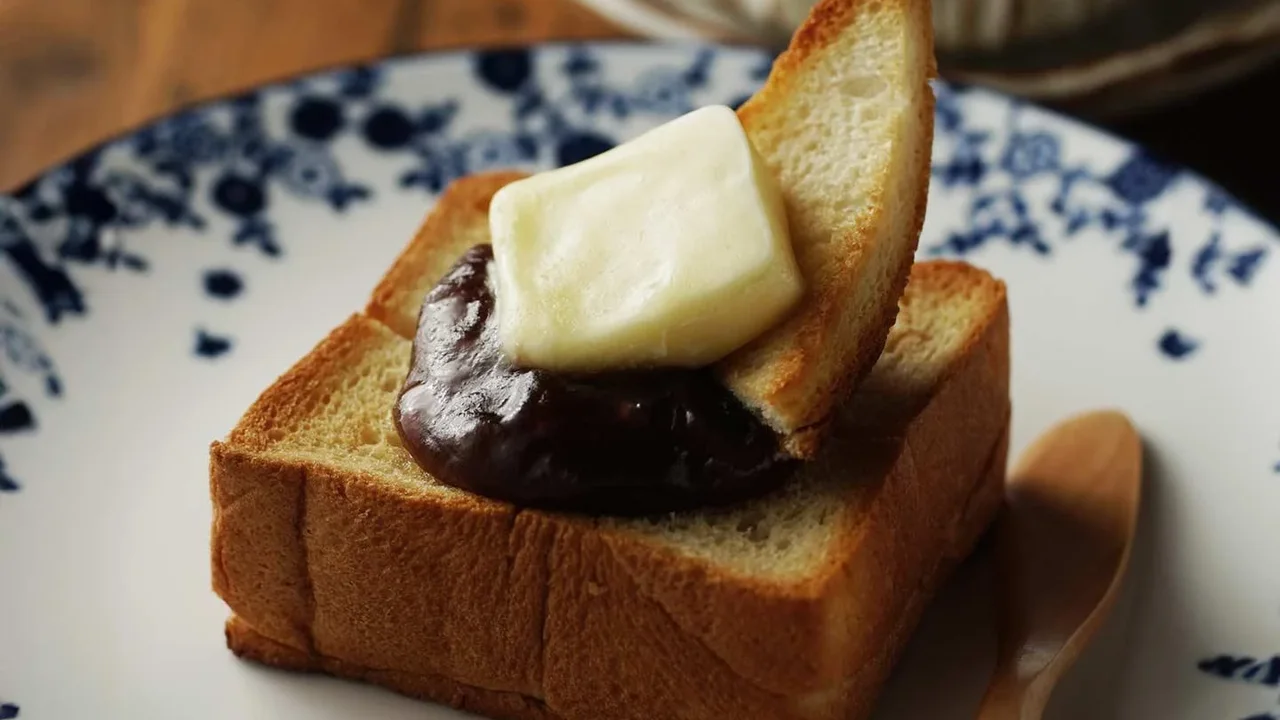
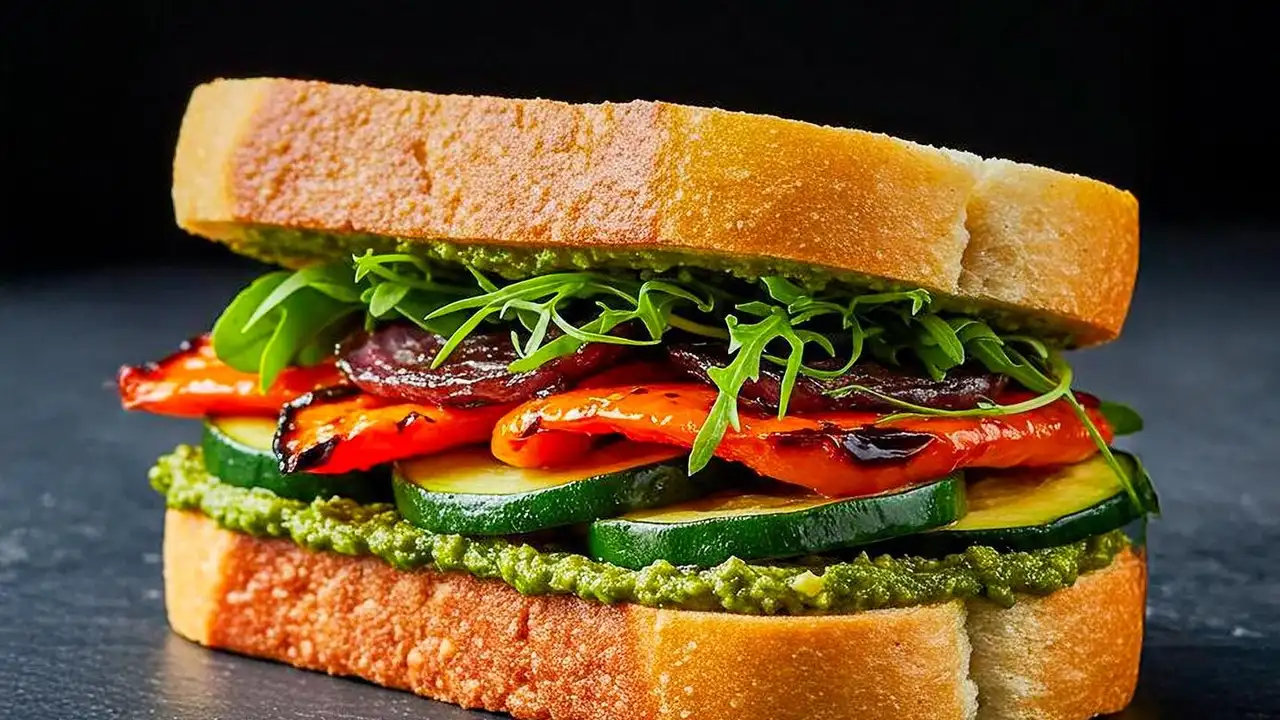
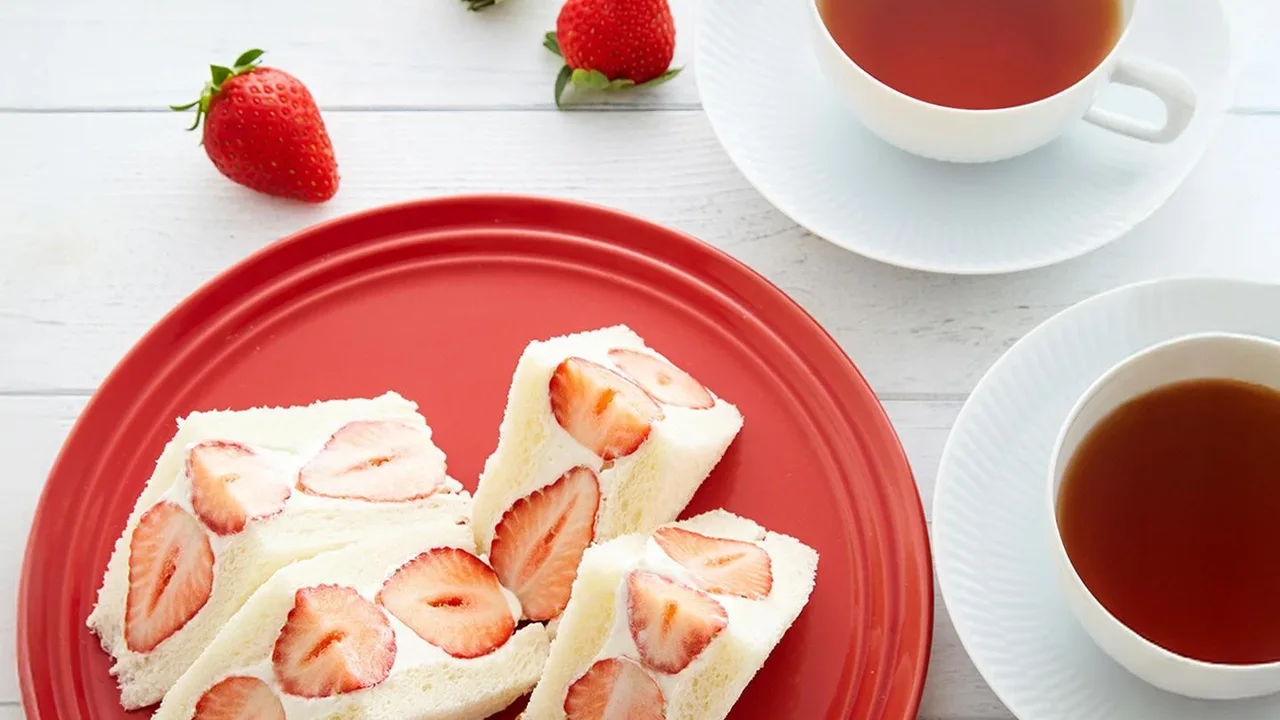
The versatility of shokupan is a key part of its international appeal. While it makes for sublime toast with a simple pat of butter, its sturdy yet soft structure is the perfect vessel for a wide array of fillings. It is the star of the Japanese sandwich, known as the 'sando'. These can range from the savoury katsu sando, featuring a breaded pork cutlet, to the visually stunning fruit sando, with whipped cream and seasonal fruits nestled between two pillowy slices. Its delicate sweetness also makes it a fantastic base for French toast or simply enjoyed on its own. The bread’s ability to be both a simple comfort food and a canvas for gourmet creations has allowed it to find a place in cafes, restaurants, and home kitchens around the world.