



Understanding Special Trains
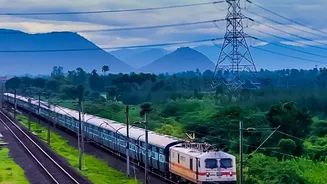
Special trains are additional services launched by Indian Railways to manage passenger rush during peak seasons like Diwali, Chhath Puja, summer holidays, and other festivals. Unlike regular trains with fixed schedules, these are announced as needed,
often with a shorter advance reservation period. Their numbers typically start with '0' or '8'. There are different types, including 'Special Fare' trains, which have a slightly higher base fare, and 'Suvidha' trains. Suvidha trains use a dynamic pricing model, similar to airlines, where fares increase as more tickets are sold. These trains often guarantee confirmed or RAC (Reservation Against Cancellation) tickets, making them a reliable choice for last-minute travelers.
Where to Find Announcements
To catch these trains, you need to know where to look. The primary and most reliable source is the official IRCTC website (irctc.co.in) and the Rail Connect mobile app. Additionally, keep a close watch on official announcements from railway zones. For services originating from Mumbai, the official social media accounts and press release sections of Central Railway (CR) and Western Railway (WR) are invaluable. These platforms provide real-time updates on newly sanctioned trains, their routes, timings, and when bookings will open. For example, ahead of the 2026 Diwali season, Central Railway announced 418 special services from Mumbai and Pune to various destinations, with booking details released through these channels.
How to Book on IRCTC
The booking process is similar to that for regular trains but with a few key differences. First, log in to your IRCTC account. Enter your source station (e.g., CSMT, LTT, Bandra Terminus) and destination, along with your travel date. On the train list page, special trains will appear alongside regular ones, often identifiable by their unique number starting with '0' or '8'. Some platforms may also have a specific filter or section for 'Special Trains'. Once you select a train, click on 'Check Availability and Fare'. Special Fare and Suvidha trains will show their respective pricing, which may be higher than a regular express train. Proceed by filling in passenger details and completing the payment. Remember, booking for these trains opens on specific dates, so being ready on the opening day is crucial.
Strategies for a Confirmed Ticket
Securing a ticket on a high-demand special train requires a bit of strategy. First, be flexible with your travel dates by a day or two, as this can significantly increase your chances. Second, check for trains from alternative boarding stations. If trains from Chhatrapati Shivaji Maharaj Terminus (CSMT) are full, look for services starting from Lokmanya Tilak Terminus (LTT), Panvel, or Bandra Terminus. Third, prepare in advance. Use the 'Master List' feature on your IRCTC profile to save passenger details beforehand, which saves critical time during booking. Finally, book as soon as the reservation window opens. Announcements often specify the exact date and time bookings commence, and the fastest fingers often get the confirmed berths.
What if Special Trains are Full?
Even special trains can fill up quickly during major festive rushes. If you find yourself without a ticket, the Tatkal quota for regular trains is another option. Tatkal booking opens at 10 a.m. for AC classes and 11 a.m. for non-AC classes one day before the train's departure from its originating station. This is a high-speed, high-demand process, so being prepared is essential. Another possibility is the 'Current Availability' feature, which allows booking of any vacant seats after the chart has been prepared, usually a few hours before departure. While it’s a gamble, it can sometimes yield a confirmed seat at the very last minute. Beyond trains, state-run and private bus services also increase their frequency from Mumbai to major cities during peak seasons, offering a viable alternative.