






Sikkim’s pristine lakes and high-altitude passes are the stuff of legend. But reaching these protected beauties requires a crucial document: a permit. Smart planning is the key to a seamless journey, turning bureaucracy into a golden ticket.
Why Permits Are Your Golden Ticket
Much of Sikkim's
breathtaking beauty lies in areas that are ecologically sensitive or share borders with neighbouring countries like China, Nepal, and Bhutan. To protect these fragile ecosystems and manage access for security reasons, the government requires travellers to obtain a Protected Area Permit (PAP) for Indian citizens. While towns like Gangtok, Pelling, Namchi, and Ravangla are open to all Indian tourists without any special permission, the most sought-after destinations are not. Think of the permit not as a hurdle, but as a necessary step to preserve the very beauty you’ve come to witness. It helps regulate visitor numbers, ensuring these pristine environments remain unspoiled for years to come. Planning for this in advance is the first step toward a responsible and stress-free adventure.
The Must-See Permit-Protected Zones
A trip to Sikkim is incomplete without visiting its high-altitude marvels, most of which fall under the PAP system. For Indian tourists, these are the key areas where you will need a permit:
- East Sikkim: The classic day trip from Gangtok includes Tsomgo (Changu) Lake and Baba Mandir. A separate, highly sought-after permit is required for Nathula Pass, the border trade point with China.
- North Sikkim: This is the big one. To explore the valleys of Lachen and Lachung, the floral paradise of Yumthang Valley, the stark beauty of Zero Point (Yumesamdong), and the sacred, sky-high Gurudongmar Lake, a comprehensive North Sikkim permit is essential.
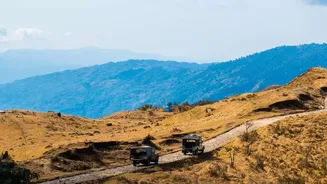
- The Old Silk Route: For those tracing history, the Zuluk circuit in East Sikkim also requires a special permit. This route is known for its dramatic hairpin bends and stunning views.
Your Step-by-Step Application Guide
The most important rule for getting your permit is that you generally cannot apply for it yourself as a walk-in. The process is almost always handled by a Sikkim-registered travel agency or tour operator, often as part of your vehicle booking. Here’s what you need to do:
1. Hire a Registered Local Operator: This is the easiest and most reliable method. They are familiar with the entire process, including any recent changes in rules or documentation.
2. Prepare Your Documents: You will need to provide your operator with clear copies of specific documents for every traveller. Aadhaar cards are generally not accepted for these permits. Instead, carry your original Voter ID, Driving Licence, or Passport. For children, a birth certificate is required. Also, keep a few recent passport-sized photographs handy.
3. Submit in Advance: Your operator will typically apply for the permit one day before your planned travel date. There are cut-off times for applications, often around 3 PM for travel the next day, so sending your documents late can derail your plans.
The Smart Traveller’s Timeline
The key to a successful trip is to factor the permit process into your itinerary from the very beginning. Last-minute arrangements, especially during peak tourist seasons (April-June and October-November), are a recipe for disappointment. Here’s a smart timeline:
- Before You Leave: Finalise your itinerary and book a registered local tour operator. Email them clear, scanned copies of all the required documents at least a week before your arrival in Sikkim.
- Upon Arrival in Gangtok: Reconfirm everything with your operator. Provide them with the original documents if required for verification. Most permits are processed in Gangtok a day prior to the journey. This means you cannot plan a trip to North Sikkim or Nathula Pass on the same day you arrive.
- Buffer Days: Always keep a buffer day in your itinerary. Permits can be denied or delayed due to landslides, heavy snowfall, or official reasons. Nathula Pass, for instance, remains closed to tourists on Mondays and sometimes Tuesdays, and permits are limited.
Common Pitfalls and How to Avoid Them
Many travellers face avoidable hurdles. The most common mistake is assuming you can get a permit on the spot or underestimating how long it takes. Another major error is not carrying the correct form of identification; relying solely on an Aadhaar card will likely result in a rejected application. Arriving in Gangtok late in the afternoon and expecting to leave for a permitted area the next morning is also a frequent misstep, as you will have missed the application deadline for the day. Finally, remember that permits are never guaranteed. The authorities reserve the right to close access at any time for safety or security reasons. By planning ahead, you give yourself the flexibility to adapt your plans if needed.