


Why Bother with Protein?
Protein is a crucial building block for our bodies, essential for everything from muscle repair and bone health to maintaining a strong immune system. For many vegetarians in India, hitting daily protein goals can be a challenge. While dals, legumes,
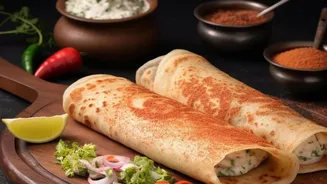
and paneer are excellent sources, we often rely on carbohydrate-heavy meals. This is where enriching our existing foods offers a brilliant solution. Traditional batters for dishes like dosa, idli, cheela, and dhokla are staples in countless households. By fortifying these familiar favourites with a nutrient-dense ingredient, you can effortlessly increase your protein consumption without drastically changing your eating habits or sacrificing the flavours you love.
The Powerhouse Seeds to Choose
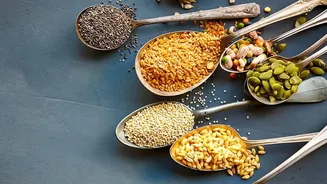
Not all seeds are created equal when it comes to protein. For this purpose, focus on a blend of seeds that offer a robust nutritional profile. Here are some of the best choices:
- Pumpkin Seeds: A true champion, pumpkin seeds lead the pack. Some varieties offer up to 30 grams of protein per 100 grams. They are also rich in magnesium and zinc.
- Sunflower Seeds: These are another excellent source, containing roughly 21 grams of protein per 100 grams. They are also packed with Vitamin E and healthy fats.
- Flax Seeds: Known for their high fibre content and heart-healthy omega-3 fatty acids, flax seeds also provide a decent protein boost. Always use ground flaxseed, as the whole seeds may pass through your system undigested, preventing nutrient absorption.
- Chia Seeds: Like flax, chia seeds are a great source of fibre and omega-3s. They also absorb liquid to form a gel, which can add a pleasant thickness to some batters.
- Hemp Seeds: Offering a complete protein with all nine essential amino acids, hemp seeds are a fantastic addition, with a mild, nutty flavour.
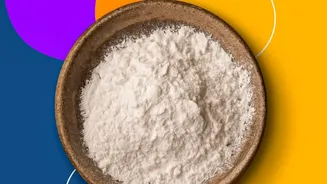
How to Make Your Seed Powder
Creating your own seed powder is simple and ensures freshness. You have complete control over the ingredients, avoiding preservatives found in some store-bought mixes.
1. Select Your Seeds: A good starting blend is equal parts pumpkin, sunflower, and flax seeds. You can customise this based on availability and taste preference.
2. Lightly Roast (Optional but Recommended): Dry roast the pumpkin and sunflower seeds in a pan over low-medium heat for just a few minutes until they become fragrant and lightly toasted. This enhances their nutty flavour. Let them cool completely. Do not roast chia or flax seeds, as their delicate oils are sensitive to heat.
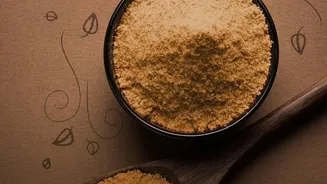
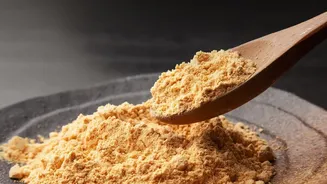
3. Grind to a Powder: Combine all your cooled, roasted seeds with the un-roasted ones. Use a coffee grinder or a powerful blender to grind them into a coarse or fine powder. Be careful not to over-blend, as the oils can release and turn the powder into a paste.
4. Store Correctly: Transfer the powder to an airtight glass jar and store it in the refrigerator. The healthy fats in seeds can go rancid if left at room temperature, so refrigeration keeps the powder fresh for longer.
Incorporating Powder into Batters
The key to success is moderation. Adding too much seed powder can alter the taste and, more importantly, the texture of your final dish, sometimes making it dense.
A good rule of thumb is to start with 1 to 2 tablespoons of seed powder for every 1 cup of batter.
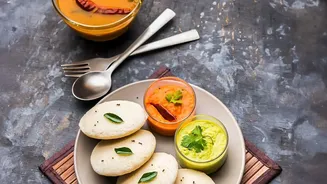
- For Fermented Batters (Idli/Dosa): Add the seed powder after the batter has fully fermented, just before you are ready to cook. Stir it in gently. Adding it before fermentation could potentially affect the process, although some additions like fenugreek are known to help. Since seed powders add density, mixing them in at the end ensures your batter remains light and airy.
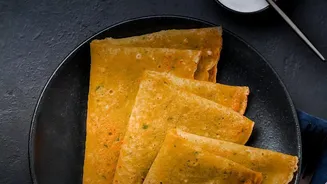
- For Instant Batters (Cheela/Pudla/Akki Rotti): You can mix the seed powder directly into the dry flour (like besan or rice flour) before adding water. This ensures it is evenly distributed. For a standard besan cheela, adding a tablespoon of seed powder to the mix works wonderfully.
- Taste and Texture: Seed powders will impart a mild, nutty flavour and can make the texture slightly coarser or denser. This is often a pleasant addition, especially in savoury dishes like adai or cheela. Start with a smaller amount, taste the result, and adjust in future batches.