



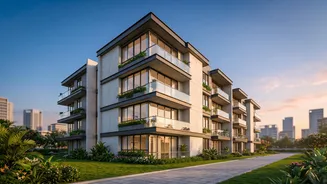

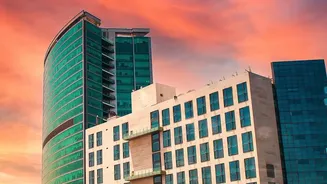
The Engines of Growth: Why Prices Are Soaring
Pune's property market isn't rising by chance; it's fuelled by powerful economic and structural forces. The city's booming IT and manufacturing sectors are the primary drivers, creating thousands of high-quality jobs and attracting a constant influx of professionals.
This robust job market translates directly into housing demand. Unlike speculative markets, Pune's growth is largely driven by end-users—people buying homes to live in—which lends it stability. Furthermore, massive infrastructure upgrades, including the Pune Metro expansion and the extensive Ring Road project, are dramatically improving connectivity and unlocking the value of peripheral areas. Properties near these new transport corridors have seen significant appreciation, with some areas reporting price jumps of 15-25% annually.
Crunching the Numbers: A Look at the Current Market
As of mid-2026, the real estate landscape in Pune shows a clear upward trend, though it's more of a steady climb than a speculative bubble. Average property prices across the city hover between ₹8,300 and ₹12,000 per square foot. This average, however, conceals a wide spectrum. In premium localities like Koregaon Park and Kharadi, prices can soar to ₹14,000-₹22,000 per sq ft. Meanwhile, mid-segment hubs such as Wakad, Baner, and Hinjewadi command rates of ₹9,000 to ₹13,000 per sq ft. For those on a tighter budget, more affordable zones like Wagholi and Moshi offer properties in the ₹5,000 to ₹8,000 per sq ft range. This consistent appreciation, pegged at a moderate 5-10% annually, reflects a maturing market where buyers are becoming more selective.
The Shift to Premium: Bigger and Better Homes
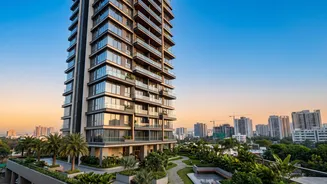
A notable trend in 2026 is the growing appetite for larger and more luxurious homes. Post-pandemic, homebuyers are prioritising space, comfort, and amenities. This has led to a significant increase in demand for 3 and 4-BHK apartments, which now constitute nearly 30% of new launches. Buyers are increasingly confident in upgrading to properties in the ₹1-2 crore bracket, which has seen a substantial growth in sales since 2021. This 'flight to quality' is also evident in the preference for projects by reputed, branded developers who offer integrated communities with lifestyle amenities like gyms, green spaces, and smart home features.
Navigating the Market: Strategies for Homebuyers
While rising prices can seem daunting, strategic planning can help you navigate the market. First, reassess your budget realistically. With the average home in Pune costing around ₹84 lakh, it's crucial to factor in all costs, not just the sticker price. Second, explore emerging micro-markets along the new infrastructure corridors. Areas like Talegaon, Punawale, and the fringes of the Ring Road offer more accessible entry points with strong potential for future appreciation. Also, consider government initiatives. The Maharashtra Housing and Area Development Authority (MHADA) recently released over 4,400 affordable homes in the Pune region, with prices ranging from ₹11 lakh to ₹64 lakh for eligible buyers in the Economically Weaker Section (EWS) and Low-Income Group (LIG) categories. Finally, while the market saw a slight dip in sales volume in Q2 2026, this may present a window of opportunity with more inventory and potentially better negotiation power for prepared buyers.