


The Himalayan High Passes: A Summer Spectacle
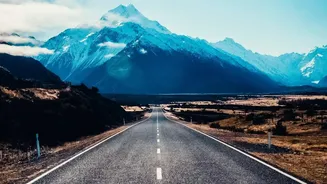
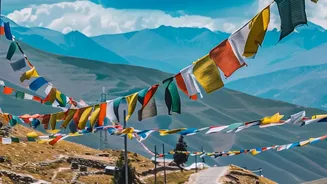
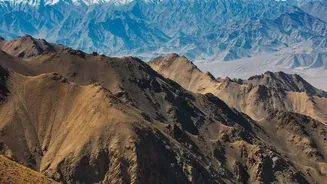
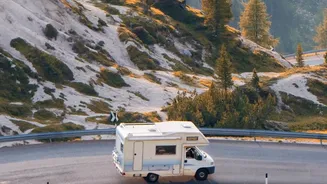
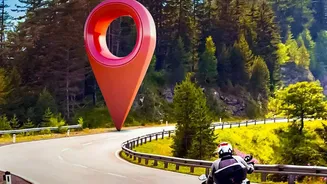
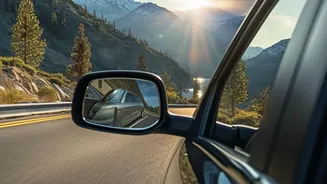
The legendary highways connecting Manali and Srinagar to Leh are the crown jewels of seasonal travel. These routes are a rite of passage for road-trippers, motorcyclists, and adventurers. Typically open from late May or early June until October, this
is when the Border Roads Organisation (BRO) clears the immense winter snowfall from high-altitude passes like Zoji La and Baralacha La. The journey is the destination here, with the landscape shifting from green valleys to stark, high-altitude desert. Travellers can use a mix of transport, including state-run buses, shared taxis, or their own vehicles. Planning is crucial, as the opening and closing dates are entirely dependent on weather conditions each year. Acclimatisation to the high altitude is also a must for a safe and enjoyable trip.
Spiti Valley in Winter: A Frozen Paradise
While most visitors flock to the stunning Spiti Valley in summer, a small window exists for the truly adventurous to see it transformed into a white wonderland. From November to February, when the popular Manali-Kaza road via Kunzum Pass is buried under snow, Spiti remains accessible via the longer route from Shimla through the Kinnaur valley. This journey is challenging, with temperatures plummeting to -20°C and below, but the rewards are immense: snow-covered monasteries, frozen rivers, and the chance to spot the elusive snow leopard. Travel is slow and requires a reliable 4x4 vehicle with an experienced local driver. This is a trip for those seeking solitude and a profound connection with one of India's most remote and resilient cultures.
The Western Ghats: A Monsoon Makeover
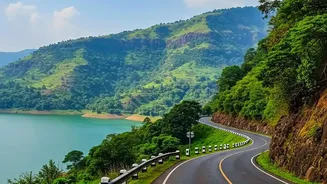
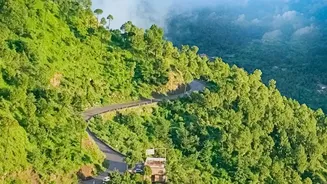
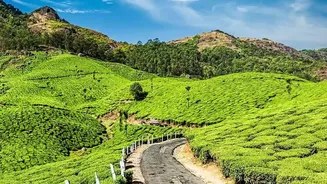
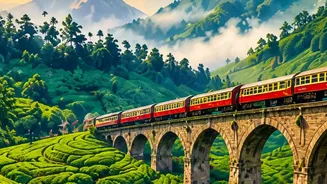
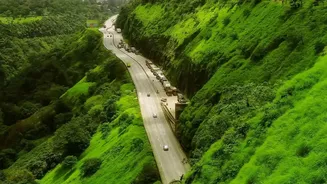
During the monsoon months, from roughly June to September, the Western Ghats undergo a dramatic transformation. What are often dry, brown hillsides for much of the year become a lush, vibrant paradise of emerald green. This season is perfect for road trips along routes like the Mumbai-Pune Expressway, Varandha Pass in Maharashtra, or through the tea plantations of Munnar in Kerala and the forests of Coorg in Karnataka. Countless waterfalls, previously dormant, roar back to life, and the entire ecosystem buzzes with activity. While some major routes remain open, smaller rural roads can be affected by the rains, making local knowledge key. Specialised monsoon experiences, such as guided waterfall treks and frog-watching walks, are now gaining popularity, offering a unique way to engage with the region's incredible biodiversity.
The Chadar Trek: Walking on Ice
Perhaps the most unique example of seasonal access is the Chadar Trek in Ladakh. For a very brief period, typically in January and early February, the Zanskar River freezes solid, creating a walkable highway of ice. This 'chadar' (or blanket) of ice has been used for centuries by the people of the Zanskar region to connect with Leh when high passes are snowbound. Today, it is one of the world's most thrilling treks. The journey is arduous, with night temperatures dropping to -25°C or lower, and conditions can be unpredictable. The trek is only possible when the ice is thick and stable, a window that lasts just a few weeks. Due to its difficulty and the extreme environment, it should only be attempted with professional guides and proper preparation.