




The Policy Shift Sparking a Revolution
The recent explosion in space startups didn't happen in a vacuum. A pivotal shift occurred in 2020 when the Indian government opened the space sector to private enterprise. The creation of the Indian National Space Promotion and Authorisation Centre (IN-SPACe)
was a game-changer. Acting as a single-window agency, IN-SPACe facilitates, authorises, and supervises private companies, allowing them to use ISRO's world-class facilities and expertise. This policy reform, combined with the commercialisation efforts of NewSpace India Limited (NSIL), has created a fertile ground for entrepreneurs, with the number of space startups growing to over 400. The government's goal is ambitious: to grow India's share of the global space market from 2-3% to 8% and expand the domestic space economy to $44 billion by 2033.
Upstream: Building the Rockets and Satellites
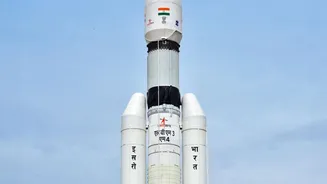
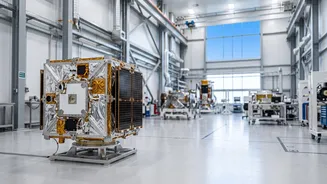
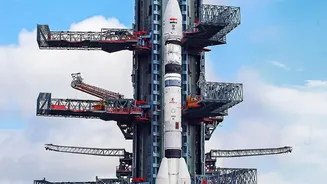
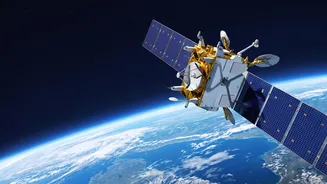
A significant portion of the startup activity is in the 'upstream' sector, which involves building the core infrastructure for space. This is where companies are designing and manufacturing launch vehicles and satellites. Hyderabad-based Skyroot Aerospace is a prominent leader, having achieved India's first private orbital rocket launch with its Vikram-1 vehicle. Chennai's Agnikul Cosmos is another key player, pioneering 3D-printed, semi-cryogenic rocket engines for customizable small satellite launches. In the satellite manufacturing space, companies like Dhruva Space and Bellatrix Aerospace are developing satellite platforms and advanced propulsion systems. These startups are focused on creating cost-effective and on-demand access to space, a critical bottleneck they aim to solve for the global satellite market.
Downstream: Turning Space Data into Insights
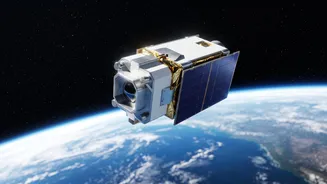
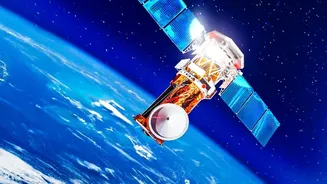
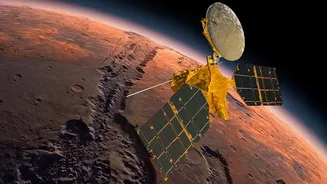
While rockets capture the headlines, the 'downstream' sector is where much of the long-term commercial value lies. This segment focuses on using data from satellites to provide services on Earth. Bengaluru's Pixxel is a global leader here, deploying a constellation of high-resolution hyperspectral imaging satellites. This technology provides incredibly detailed data that can be used for agriculture, monitoring climate change, and managing resources. Similarly, SatSure offers decision intelligence by analysing satellite imagery for industries like banking and infrastructure. Other companies like Digantara are focused on a unique problem: space situational awareness, essentially creating a traffic management system for objects in orbit to prevent collisions. This data-centric part of the ecosystem is transforming industries from farming to finance.
The Geographic Hubs of Innovation
This space revolution is not evenly distributed across the country. A few key metropolitan areas have emerged as the primary hubs for India's space-tech ecosystem. Bengaluru, long known as India's Silicon Valley, is a natural epicenter, hosting a dense network of tech talent, research institutions, and venture capital. It is home to prominent downstream and analytics players like Pixxel and SatSure. Hyderabad has carved out a niche as a launch vehicle and systems hub, with Skyroot Aerospace leading the charge. Chennai is another critical cluster, particularly for launch technologies, anchored by Agnikul Cosmos and a strong manufacturing base. The development of space manufacturing clusters in states like Tamil Nadu and Kerala is also helping to build a robust supply chain for the entire industry.