

A Return to Authenticity
For years, modern Indian interior design was often synonymous with minimalist, neutral palettes borrowed from international catalogues. Today, however, there's a growing desire for spaces that feel personal, rooted, and uniquely Indian. This has sparked
a renaissance of traditional arts, not as museum pieces, but as living, breathing elements of a contemporary home. It's a move away from mass-produced perfection and towards objects with soul and a story. The result is a design language that feels both globally aware and deeply connected to heritage. Homeowners are increasingly seeking meaning in their decor, choosing pieces that connect them to a larger cultural fabric.
The Marriage of Old and New
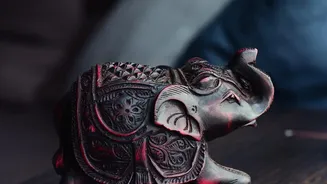
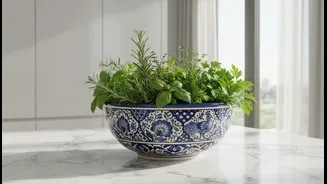
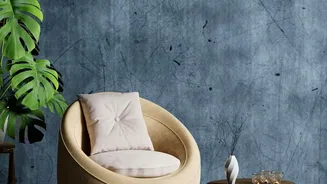
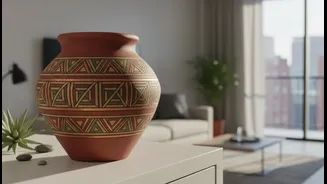
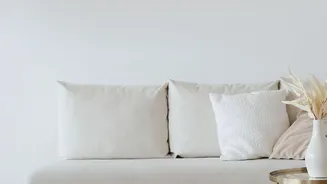
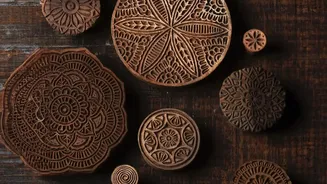
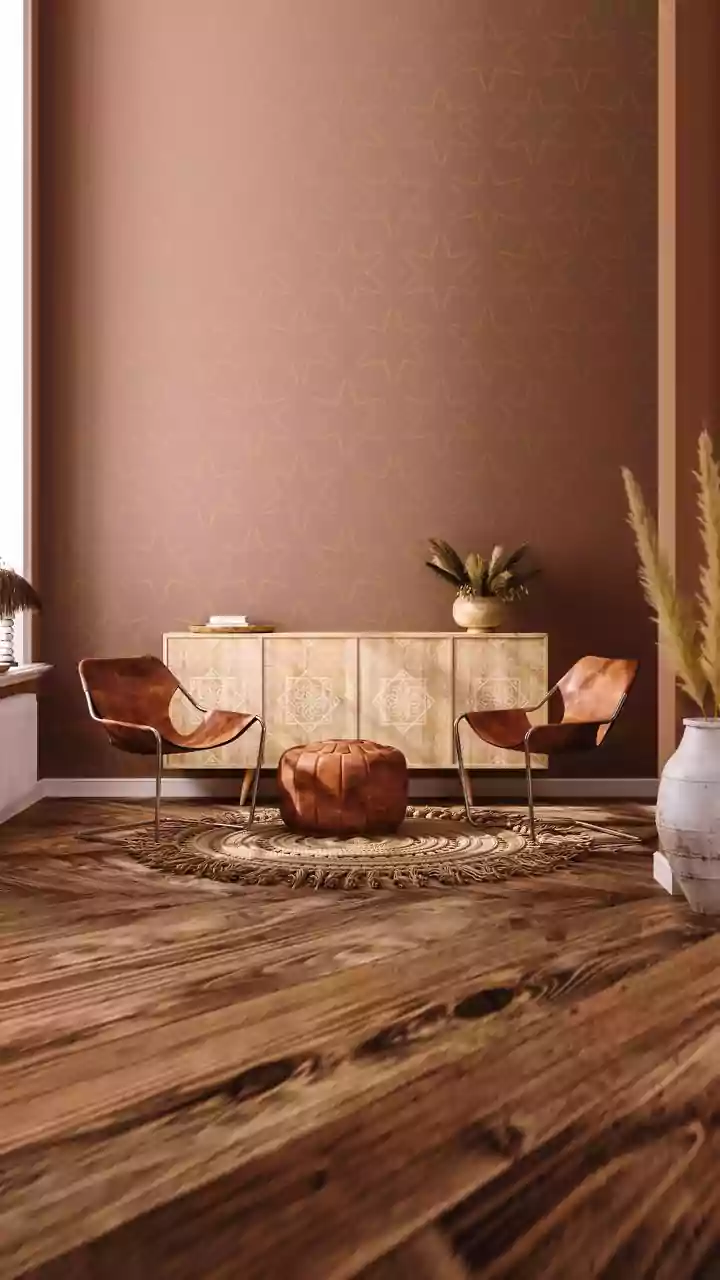
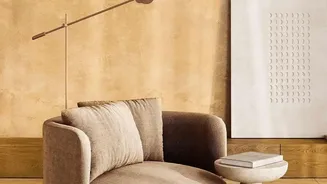
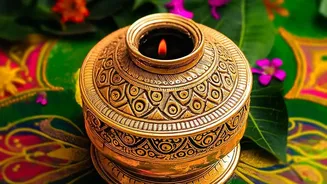
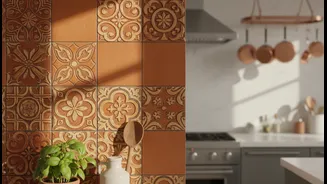
The magic of this trend lies in the artful blending of traditional crafts with modern aesthetics. It’s not about creating a cluttered, old-fashioned look, but about careful, intentional integration. Imagine a sleek, contemporary sofa brought to life with vibrant, hand-block-printed cushions featuring Ikat or Ajrakh patterns. A minimalist living room gains warmth from a handwoven dhurrie, while a stark wall is transformed into a focal point with Madhubani or Warli art. Materials are also being mixed in exciting ways: a traditional brass urli might sit on a sleek glass console table, or terracotta planters can add an earthy touch to a modern balcony. This fusion creates a harmonious balance, where clean lines are softened by rich textures and heritage details.
Celebrating the Artisan
This trend is more than just an aesthetic choice; it’s a conscious one. There is a growing appreciation for the skill and legacy of India's artisan communities. The handicraft sector employs over 7 million artisans, many in rural areas, and this renewed interest provides crucial support. By choosing a hand-carved wooden cabinet, a piece of Dhokra brass art, or a hand-painted ceramic, consumers are helping to preserve age-old traditions that have been passed down through generations. Each handmade object carries the imprint of its maker, offering a uniqueness that factory-made items can never replicate. This shift is also being championed by a new generation of Indian designers who are collaborating with craft clusters to innovate, blending traditional techniques with contemporary forms and functions.
Sustainability as a Cornerstone
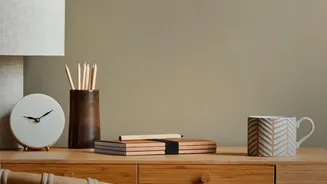
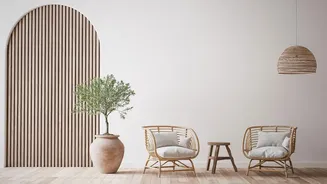
The move towards craft-inspired décor aligns perfectly with the global push for sustainability. Many Indian handicrafts are inherently eco-friendly, made using locally sourced, natural materials like bamboo, cane, jute, clay, and organic cotton. These materials not only have a lower environmental impact but also bring a natural, earthy warmth into the home. As consumers become more conscious of their carbon footprint, the appeal of slow-made, ethically produced decor is growing stronger. Choosing handcrafted items is a vote for sustainability, a way to create a beautiful home that is also kind to the planet.