



1. Rethink Your Watering Schedule
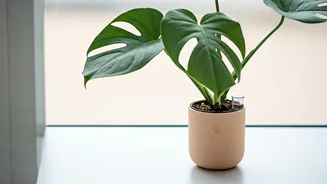
During the monsoon, the golden rule is to water less. The high humidity in the air means that the soil in your pots will retain moisture for much longer. [18] Sticking to your summer watering routine is the quickest way to cause root rot, which is the biggest
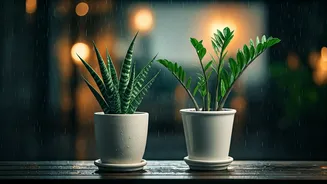
killer of houseplants this season. [13, 15] Before you even think about watering, use the finger test: insert your finger about an inch into the soil. If it feels damp, wait another day or two. [2, 6] For low-maintenance plants like Snake Plants, ZZ Plants, and succulents, this is especially critical as they are prone to overwatering. [4] Always water in the morning to allow any excess moisture on the leaves to evaporate during the day. [2, 6] And remember to empty the saucer under the pot to ensure your plant isn't sitting in stagnant water. [2]
2. Improve Air Circulation
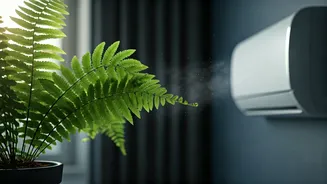
Stagnant, humid air is a breeding ground for fungal diseases like powdery mildew. [17, 23] Improving air circulation around your plants is crucial during the monsoon. If you can, open your windows for a few hours on less rainy days to encourage cross-ventilation. [2, 22] Another simple solution is to use a small fan on a low setting for a couple of hours a day to keep the air moving, which helps strengthen stems and prevent disease. [17, 26] Also, avoid crowding your plants. Give them some space—at least a few inches between pots—so air can flow freely around them. [2, 11] This simple step helps keep the leaves dry and reduces the risk of fungal infections taking hold. [17]
3. Watch Out for Pests
Pests love the damp and humid conditions of the monsoon as much as plants do. Mealybugs, aphids, fungus gnats, and spider mites thrive in this environment. [3, 16] Make it a weekly routine to inspect your plants, paying close attention to the undersides of leaves and the joints where leaves meet the stem. [6, 20] Mealybugs look like tiny white cottony spots, while spider mites might leave fine webbing. [20, 21] If you spot any pests, act quickly. A simple spray of diluted neem oil every 10-14 days is an excellent organic preventative measure and treatment. [3, 14] For fungus gnats, which are tiny flies hovering over the soil, letting the top layer of soil dry out completely is often enough to deter them. [3]
4. Adjust for Lower Light
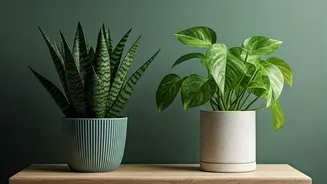
Overcast skies are a staple of the monsoon, meaning your plants will receive significantly less natural light. [3] While low-maintenance plants like Pothos (Money Plant), Snake Plants, and ZZ Plants are tolerant of lower light conditions, they still need some light to photosynthesise. [4, 8] To maximize the light they get, move them closer to windows, preferably those facing east to catch the gentle morning sun. [11] Wipe down their leaves with a soft, damp cloth regularly. Dust and grime can accumulate on the leaves, blocking the already limited sunlight from being absorbed. [2, 10] Rotating your plants every week will also ensure that all sides get some light exposure for more even growth. [14]
5. Ensure Excellent Drainage
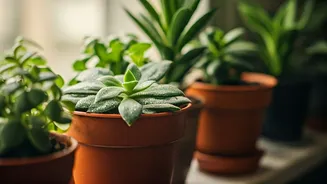
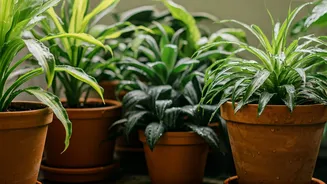
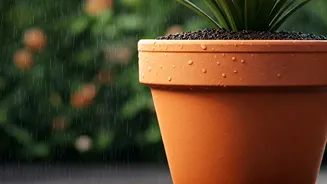
Good drainage is non-negotiable during the monsoon. [13] With the constant dampness, waterlogged soil can quickly lead to suffocated roots and rot. [5, 23] Before the season begins, it’s a good idea to check if your pots have adequate drainage holes. If a pot doesn't have one, it's best to repot the plant into one that does. Using terracotta pots can also be beneficial as they are porous and help wick excess moisture away from the soil. [11] When potting, use a well-draining soil mix. You can improve your existing soil by adding perlite, sand, or coco peat, which helps create air pockets for the roots and prevents the soil from becoming compacted. [2, 11]
6. Hold Off on Repotting and Fertilising
The monsoon is generally not the best time for major changes like repotting or aggressive fertilising. Most plants enter a slower growth phase due to the reduced light, and the stress of being repotted can be too much for them. [28] The ideal time to repot is usually in the spring, just before the main growing season. [28] Similarly, with reduced growth, plants don't need as many nutrients. Heavy rains can wash nutrients from the soil, but for indoor plants, it's better to use a diluted, slow-releasing liquid fertiliser only if absolutely necessary, and apply it during a dry spell. [6, 11] Fertilising wet soil can lead to root burn. [11]