




The Sleeping Surface Itself
Before you even think about sheets, consider what your guest will be sleeping on. In many small Indian homes, a dedicated guest room is a luxury. This makes multi-functional furniture your greatest asset. A modern sofa-cum-bed can transform a living room into
a comfortable bedroom in seconds. If that’s not an option, a high-quality, thick air mattress is a worthy investment—far superior to a thin floor mattress. The goal is to provide a supportive, comfortable base. No matter the solution, test it yourself. If you wouldn’t be comfortable sleeping on it for a night, your guest won't be either. A good night’s sleep is the most fundamental part of hospitality, making the sleeping surface a non-negotiable priority.
Beyond the Basic Comforter
A standard bedding set often comes with one comforter or duvet. But everyone’s ideal sleeping temperature is different. A great host anticipates this by providing options. Layering is the key to adaptable comfort. Start with your crisp, clean sheets. Add a light blanket, such as a traditional dohar, which is perfect for warmer nights. Then, add the main comforter or quilt. Finally, drape a plush throw or a chunky knit blanket at the foot of the bed. This layered approach not only looks inviting and luxurious, but it also empowers your guests to adjust their bedding to their personal preference, ensuring they are neither too hot nor too cold.
A Thoughtful Pillow Strategy
Pillow preference is incredibly personal. Some people need a firm, supportive pillow, while others prefer something soft and cloud-like. A single, generic pillow from a bedding set might not provide the comfort your guest is used to. If space allows, the ideal scenario is to offer a choice. Place two different types of pillows on the bed—one firm, one soft. This small gesture shows a high level of consideration for your guest's individual needs. If you don't have multiple pillow types, simply providing two standard pillows is better than one, as it allows for propping up to read or adjusting height for sleep.
Creating a Zone of Privacy
When a guest is sleeping in a living room or a multi-use space, privacy can be a major concern. Creating a sense of a separate, personal zone is crucial for their comfort. This doesn't require permanent construction. A simple folding screen or a tension rod with a curtain can create an effective visual barrier, giving your guest a private space to change and unwind. Even strategically rearranging furniture, like a bookshelf or a tall plant, can help delineate the sleeping area from the rest of the room. This acknowledges their need for personal space, which is just as important as physical comfort.
The Nightside Welcome Kit
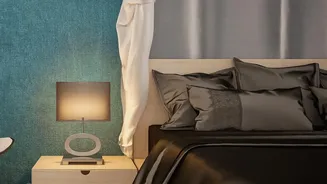
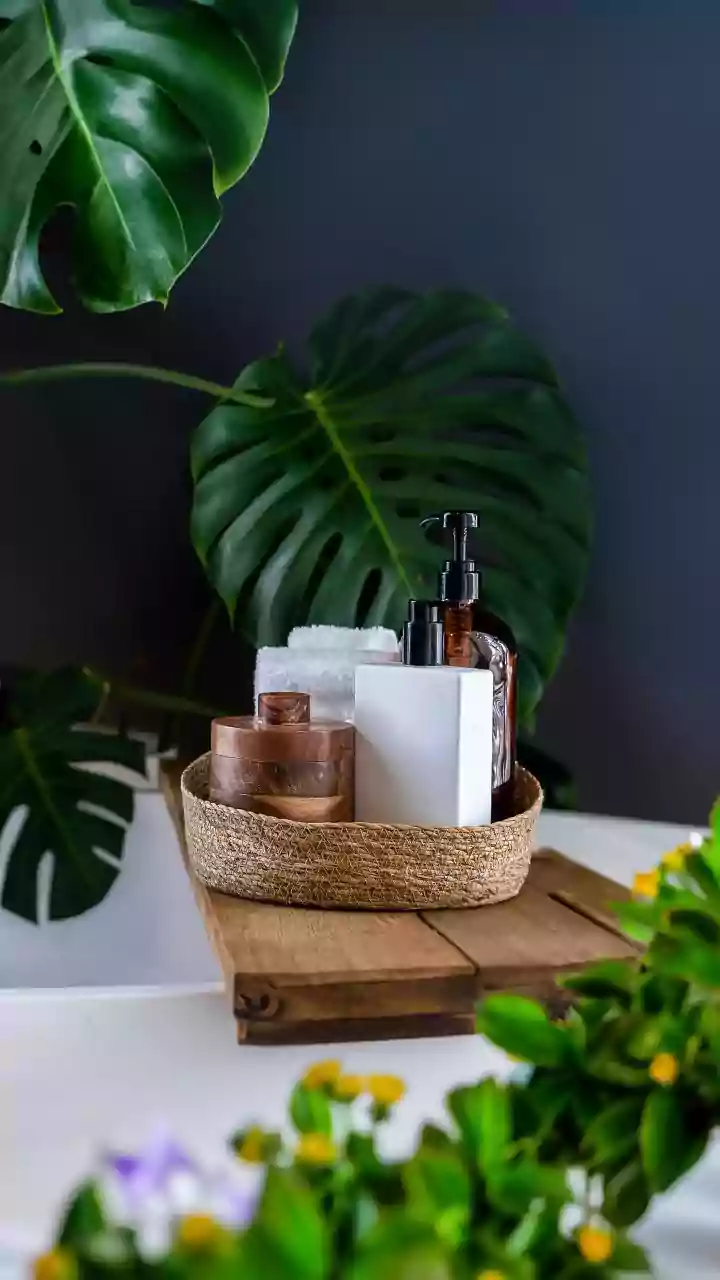
Think about everything a person might need within arm's reach during the night. Since a formal nightstand might not be available, a small stool or a cleared section of a side table will do. Equip this spot with essentials. This includes a bottle of water, a small, easily accessible lamp for late-night reading or navigation, and a clear space to place their phone. Providing a universal charging cable and the Wi-Fi password written on a small card is a modern touch of hospitality that guests always appreciate. You can even create a small welcome basket with travel-sized toiletries, a snack, and a book.
Smart Storage for Linens
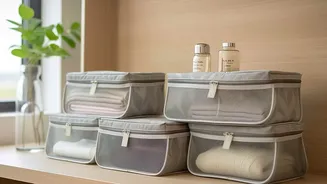
Once your guests leave, the question becomes: where do you store the extra bedding in an already small home? Bulky duvets and extra pillows can quickly consume precious closet space. Smart storage is the final piece of the puzzle. Vacuum-sealed bags are a brilliant solution, compressing bulky items like comforters and blankets to a fraction of their size. These can then be easily stored on a high shelf or in a storage trunk. For sheet sets, a popular trick is to fold the fitted sheet, flat sheet, and one pillowcase and store the entire set inside the matching pillowcase. This keeps everything together and ready for your next visitor.