




Your Wallet Feels the Pinch
It’s not just your imagination; your grocery bill is getting bigger. Recent data shows a noticeable rise in food prices across India. The Consumer Food Price Index, which tracks what we pay for food, saw an increase of over 5% in June 2026 compared to
the previous year. This upward trend puts pressure on household budgets, making every rupee count. This isn't about a single expensive vegetable, but a broader increase that affects staples from grains to dairy. For many families, especially those on a tight budget, this means re-evaluating spending habits and finding smarter ways to manage kitchen expenses.
Daily Cooking vs. Takeaways vs. Batch Cooking
When it comes to feeding yourself, you generally have three choices: cooking a fresh meal every day, ordering from an app like Swiggy or Zomato, or batch cooking. Let’s compare them. Ordering in is by far the most expensive. A meal that seems affordable on the menu can quickly double in price after delivery fees, platform charges, and taxes are added. This convenience can cost thousands of rupees extra each month. Daily cooking is significantly cheaper than ordering out. However, it can lead to its own inefficiencies. Buying small quantities of vegetables and other ingredients frequently means you miss out on bulk-buy discounts and may make more impulse purchases at the store. It also demands time and energy every single day. Batch cooking, where you prepare multiple meals at once for the week ahead, offers a middle ground. It combines the cost-effectiveness of home cooking with a level of convenience that frees up your weekdays. The primary saving comes from strategic, bulk purchasing and minimized food waste.
The True Economics of Batch Cooking
The financial advantage of batch cooking goes beyond just the meal itself. The biggest saving comes from buying ingredients in bulk. A 5kg bag of rice or dal is much cheaper per gram than a 500g packet. The same principle applies to onions, potatoes, and even spices. By planning your meals for the week, you create a precise shopping list and stick to it, drastically cutting down on impulse buys that add up. Another major factor is the reduction in food waste. When you cook in planned batches, every vegetable has a purpose. No more finding a wilted half-cabbage at the back of the fridge. Furthermore, having a delicious, ready-to-eat meal at home makes you far less likely to spend on a last-minute takeaway after a long day at work. You also save on cooking gas or electricity, as the stove or oven is used intensively once or twice a week rather than every day.
Getting Started: A Simple Guide
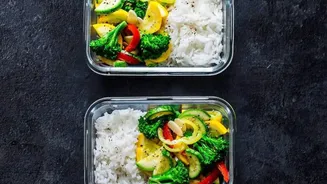
Getting into batch cooking doesn't have to be complicated. Start small. You don't need to cook 14 different meals on a Sunday. Begin by preparing a large batch of a versatile base, like a simple chicken or paneer curry, tadka dal, or cooked chickpeas. These can be used in different ways throughout the week. Plan your meals before you shop. Decide what you’ll eat for lunch and dinner for the next three to four days. Make a detailed grocery list from this plan. Invest in good quality, airtight containers. Glass containers are great because you can reheat food in them directly. Label everything with the name of the dish and the date it was cooked before you freeze or refrigerate it. This helps you keep track of what you have and eat things in the right order.
Common Mistakes to Avoid
While batch cooking is efficient, a few common pitfalls can undermine your efforts. The first is a lack of variety. Eating the same dal chawal for four days straight can become monotonous and tempt you to order out. To avoid this, cook two or three different types of dishes that you can rotate. Another mistake is over-buying fresh produce that you can't process in one go. Be realistic about how much chopping and cooking you can handle in one session. Lastly, improper storage can lead to food spoilage, which defeats the purpose of saving money. Ensure food is cooled completely before refrigerating or freezing to prevent bacteria growth, and always store it in airtight containers.