


From fighters banking like WWII planes to the roar of engines in a silent vacuum, sci-fi has taught us to expect certain things from space travel. But the reality of moving a vehicle in orbit is far stranger and more elegant than fiction suggests.
Myth: Astronauts Float Because There Is No Gravity in Space
The
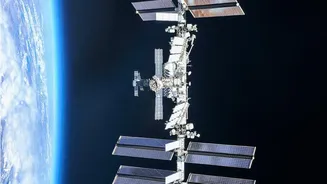
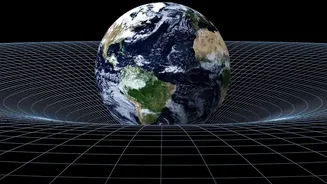
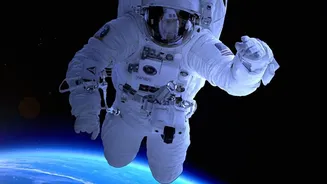
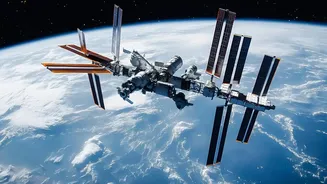
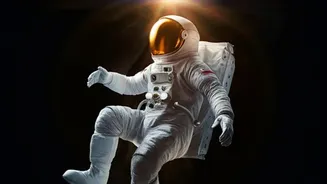
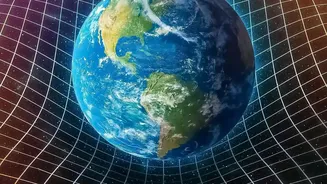
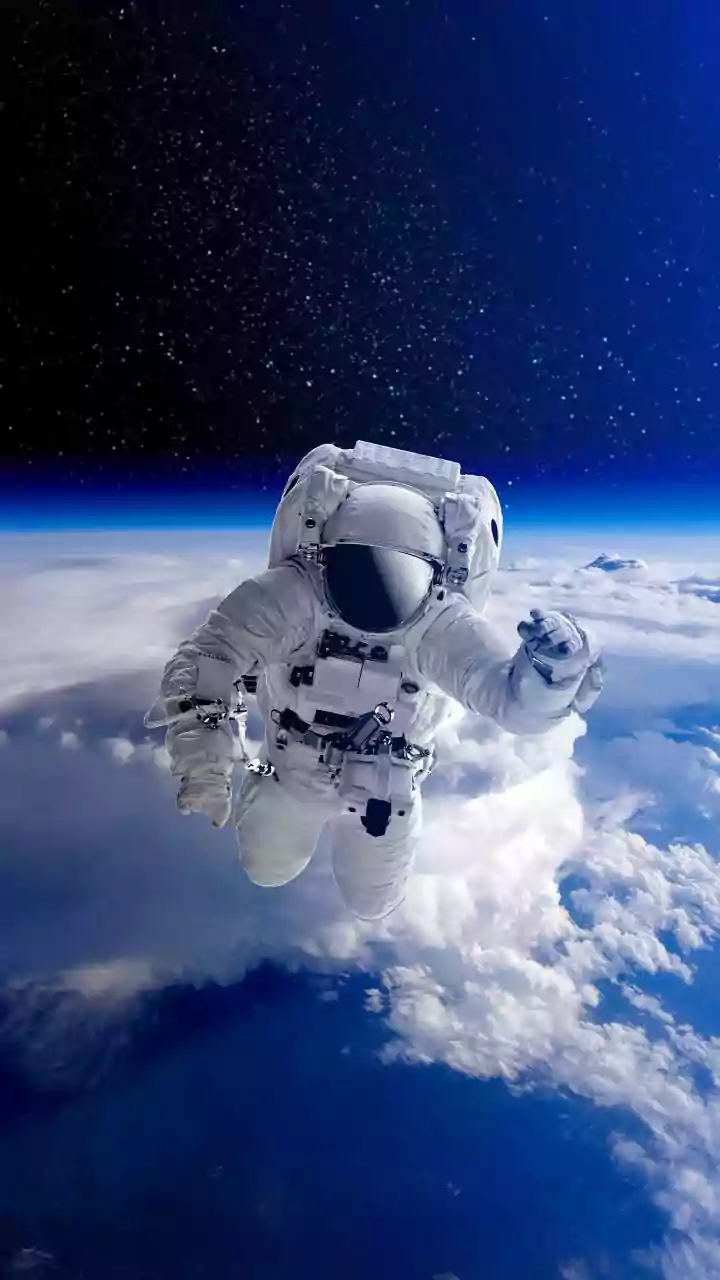
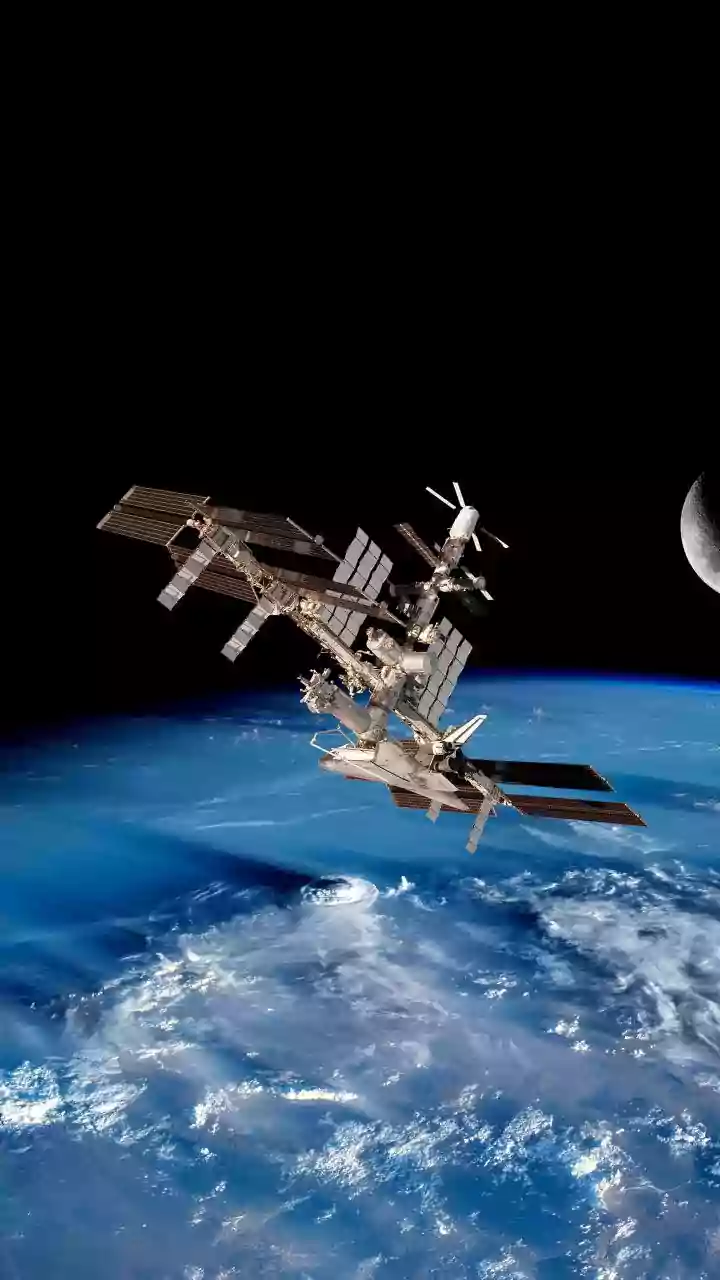
most pervasive myth is 'zero gravity'. The term suggests that once you're high enough, Earth's pull simply vanishes. In reality, at the 250-mile altitude of the International Space Station (ISS), Earth's gravity is still about 90% as strong as it is on the surface. Astronauts and their equipment float not because gravity is absent, but because they are in a constant state of freefall. The space station travels sideways at over 17,000 miles per hour, so as it falls toward Earth, the planet's surface curves away beneath it at the same rate. This state of continuous, sideways falling is what creates the sensation of weightlessness. The technically correct term is 'microgravity', acknowledging the tiny residual forces at play.
Myth: Spacecraft Maneuver Like Airplanes, Banking and Turning
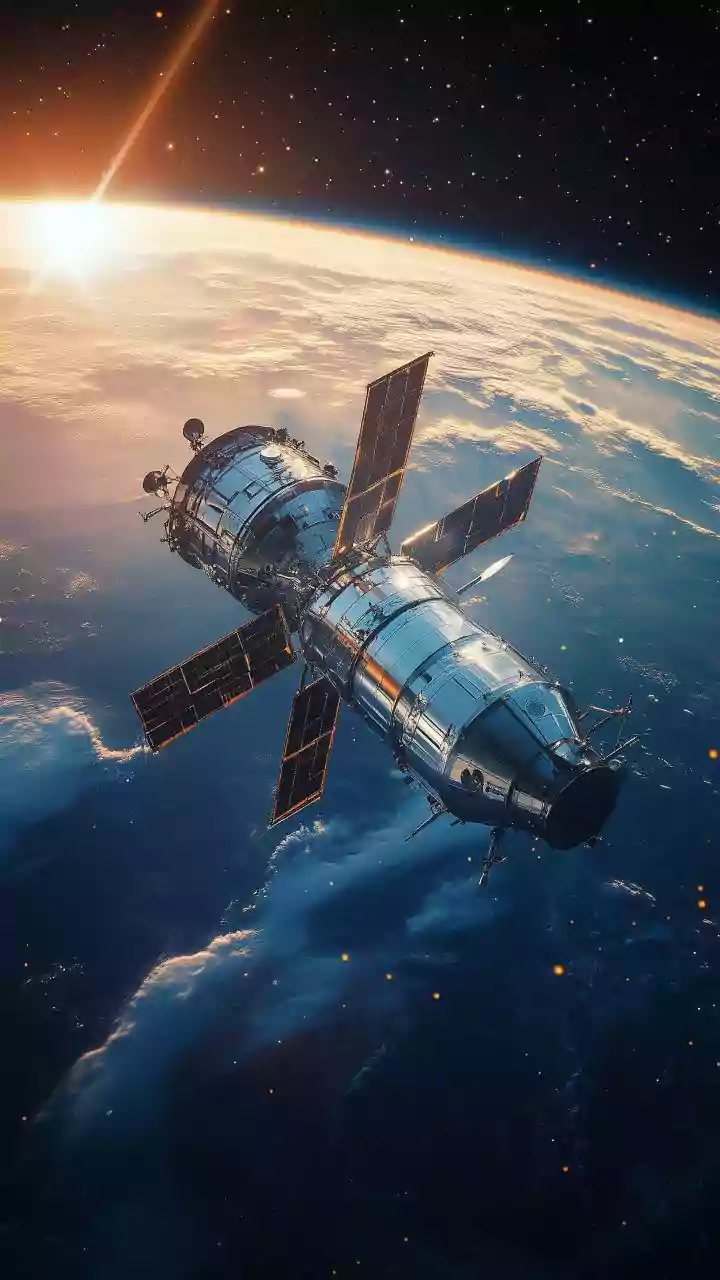
In movies, spaceships often perform graceful, banking turns as if they were fighter jets slicing through the air. This is impossible in the vacuum of space. Airplanes rely on air pressure against their wings and rudders to turn. Without an atmosphere, there is nothing to push against. A spacecraft's motion is governed entirely by Newton's laws of motion, especially inertia. An object in motion stays in motion in a straight line unless acted upon by a force. To turn, a spacecraft must fire thrusters to apply a force in the desired direction. To stop turning, it must fire opposing thrusters. Every change in orientation or direction requires a deliberate rocket firing, a principle of action and reaction.
Myth: To Catch Up to Something, You Speed Up Toward It
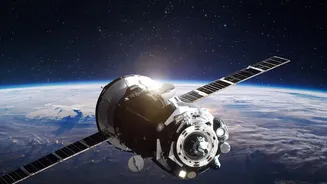
On the highway, if you want to catch the car ahead, you hit the gas. In orbit, doing the equivalent—firing your main thrusters to accelerate—has the opposite effect. Applying thrust in your direction of travel pushes your spacecraft into a higher orbit. A higher orbit is a larger circle, which means you actually travel slower and take longer to circle the Earth. To catch something ahead of you in the same orbit, you must first slow down. By firing a forward-facing thruster, you reduce your orbital energy, dropping you into a lower, faster orbit. This allows you to gain on your target. Orbital mechanics is a counterintuitive dance where slowing down makes you faster and speeding up makes you slower.
Myth: Engines Must Burn Constantly to Stay in Motion or in Orbit
Another common trope is the constant, low hum of engines as a ship cruises through space. Thanks to inertia, once a spacecraft reaches a certain velocity, it will continue moving at that speed indefinitely unless another force acts on it. It doesn't need to burn fuel to keep going. The same applies to staying in orbit. An orbit is a stable balance between a spacecraft's forward momentum and the constant pull of gravity. No engine power is required to maintain it. Propulsion is only used for orbital maneuvers: changing the shape or altitude of the orbit, initiating a transfer to another celestial body, or de_orbiting for reentry.