


The Rise of Smart Furniture
The answer lies in a smarter approach to furnishing: multi-functional and modular furniture. Unlike traditional, bulky pieces, this type of furniture is designed to do more with less. Multi-functional furniture serves multiple purposes—think of a sofa
that seamlessly converts into a bed, or a coffee table that rises to become a workstation. Modular furniture, on the other hand, consists of independent units that can be combined, reconfigured, or added to over time. This flexibility is a game-changer for urban dwellers. It’s no longer about fitting your life around your furniture, but about having furniture that adapts to your life. This trend is driven by necessity, as rapid urbanisation leads to smaller living spaces and a greater need for efficiency.
Solving the Co-Living Puzzle
Co-living spaces, popular in cities like Bengaluru, Mumbai, and Delhi, present a unique set of challenges. While they offer community and convenience, they also involve sharing common areas and living in relatively small private rooms. This is where space constraints are felt most acutely. The challenge is to carve out distinct zones for sleeping, working, and relaxing within a limited personal area, all without feeling cluttered. Lack of privacy and personal space are common complaints. Traditional furniture often fails in this environment, as a single large bed or a separate desk and chair can consume the entire room, leaving no space for movement or other activities.
Maximising Every Square Inch
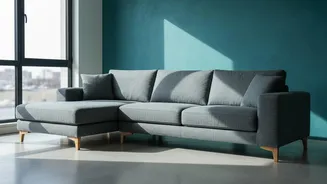
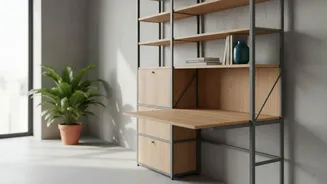
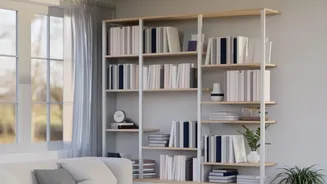
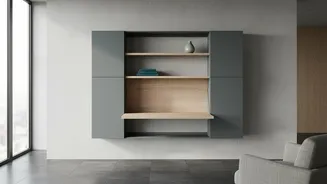
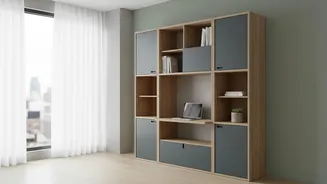
This is where multi-functional pieces prove their worth. A wall bed, or Murphy bed, can free up the entire floor during the day, transforming a bedroom into a home office or a yoga studio. A sofa-cum-bed is another classic example, providing comfortable seating and a guest bed without needing two separate items. Other ingenious solutions include nesting tables that can be pulled out when needed, coffee tables with hidden storage compartments, and foldable wall-mounted desks that have a zero footprint when not in use. By going vertical with wall-mounted shelves and tall storage units, you draw the eye upward and keep the floor clear, creating an illusion of spaciousness.
More Than Just Saving Space
The benefits of modular and multi-functional furniture extend beyond just saving space. For young people who move frequently, modular systems are a wise investment. Instead of selling or discarding furniture that doesn’t fit a new space, modular pieces can be reconfigured or expanded. This adaptability makes it a cost-effective and sustainable choice in the long run. Aesthetically, this type of furniture often features clean lines and a minimalist design, which contributes to a feeling of openness and order. This helps in decluttering not just the physical space but also the mind, creating a more serene living environment amidst the chaos of city life.
An Investment in Lifestyle
Ultimately, choosing multi-functional modular furniture is less about a design trend and more about a lifestyle choice. It’s an investment in flexibility, efficiency, and comfort. In a co-living setup where your personal room is your sanctuary, having furniture that works for you is crucial. It empowers residents to take control of their limited space and adapt it to their changing needs—from a study zone for late-night work to a cozy nook for relaxation. It’s about creating a home that is not defined by its size, but by its smartness and versatility, making urban living more manageable and enjoyable.