





India's ambitious push for a self-reliant navigation system, NavIC, has reached a critical juncture. The headline suggests a delay, but the reality of the NVS-03 satellite is a more complex and ultimately successful story of persistence.
The Headline vs. The Reality
Contrary to the
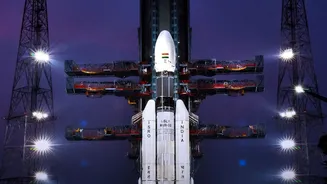
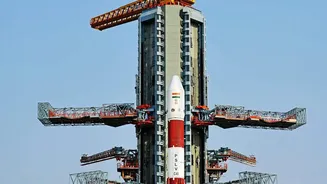
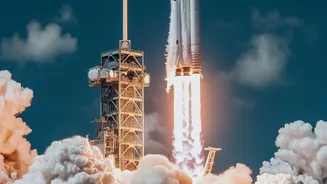
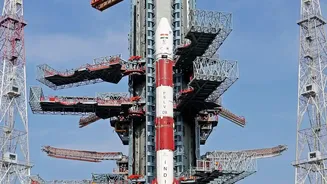
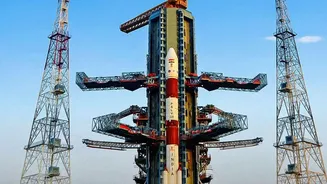
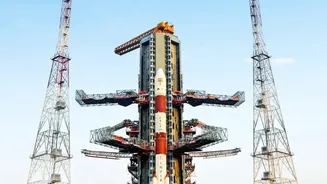
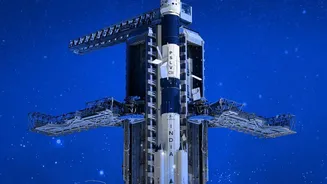
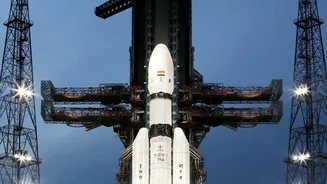
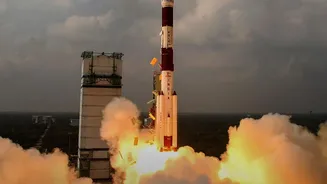
headline, the Indian Space Research Organisation (ISRO) successfully launched the NVS-03 satellite on October 30, 2026. The launch, conducted aboard a GSLV-F18 rocket from Sriharikota, placed the satellite into its intended Geosynchronous Transfer Orbit (GTO). Since then, ISRO has been performing a series of complex orbit-raising manoeuvres to position the satellite in its final geosynchronous orbital slot. The first of these manoeuvres was successfully completed on October 31, 2026. So, while the satellite has not yet reached its final operational orbit—a process that takes several days of engine burns and adjustments—it is well on its way. The headline is therefore outdated, capturing a moment in time before the successful launch occurred.
Why NVS-03 is So Crucial for NavIC
The launch of NVS-03 was not just another mission; it was a lifeline for India's indigenous navigation system, NavIC (Navigation with Indian Constellation). For a navigation system to provide an accurate position, a receiver on the ground needs to lock onto signals from at least four satellites simultaneously. Before the NVS-03 launch, the NavIC constellation was in a precarious state. Due to the failure of imported atomic clocks on most of the first-generation IRNSS satellites, only three satellites were fully functional for navigation: IRNSS-1B, IRNSS-1I, and the more recent NVS-01. This meant NavIC could not provide standalone positioning services, a significant setback for the system's reliability, particularly for strategic users like the armed forces. The successful launch of NVS-03 is set to restore this crucial four-satellite minimum, bringing the core service back online once it becomes operational.
The Second-Generation Solution
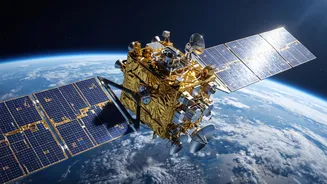
The NVS series represents the second generation of satellites designed to replace the ageing and fault-prone first-generation IRNSS constellation. A major upgrade is the inclusion of indigenously developed rubidium atomic clocks. The failure of imported clocks was the primary reason for the degradation of the original NavIC system. By developing this critical technology inhouse, ISRO aims to make the new constellation more robust and reliable. Additionally, the NVS satellites transmit on the L1 frequency band, the same one used by international systems like GPS, Galileo, and BeiDou. This compatibility makes it much easier for commercial device manufacturers to integrate NavIC into smartphones and other consumer electronics without needing special hardware.
The Setback with NVS_02
The journey to revitalise NavIC has not been without hurdles. While NVS_01 was successfully launched in May 2023, its successor, NVS_02, faced a critical failure. Launched in January 2025, the GSLV rocket successfully placed NVS_02 into its transfer orbit. However, a malfunction with the satellite's onboard propulsion system—specifically, oxidiser valves that failed to open—prevented it from performing the necessary orbit_raising manoeuvres. As a result, the satellite was stranded in a useless orbit and could not join the constellation. This failure heightened the pressure on the NVS_03 mission to succeed, and ISRO implemented precautionary measures during its launch to prevent a similar issue.
The Future of Indian Navigation
With NVS_03 on its way to joining the constellation, ISRO is looking ahead. The full NVS series is planned to consist of five satellites, with NVS_04 and NVS_05 scheduled for launch in 2027. The ultimate goal is to create a robust, independent, and continuously available navigation system that serves both civilian and strategic interests. For everyday users, this means better positioning accuracy, especially in dense urban environments, as phones can use NavIC signals alongside GPS. For the nation, it guarantees access to critical positioning, navigation, and timing (PNT) services, a capability deemed essential in an era of geopolitical uncertainty. The development of NavIC was, in part, spurred by the denial of GPS data to India during the 1999 Kargil conflict, a lesson in strategic vulnerability that continues to drive the mission for self reliance.