
A Wave of Festive Travellers
Every year, the weeks leading up to Diwali transform Mumbai's transport hubs into a sea of determined travellers. The city's population swells with people shopping and celebrating, while countless others embark on journeys to their hometowns to celebrate
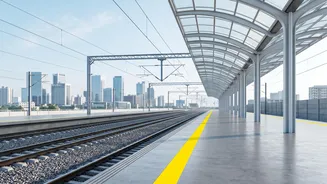
with family. This mass movement puts immense pressure on the existing infrastructure, particularly the railways, which serve as the backbone of long-distance travel for many. Getting a confirmed ticket during this period can feel like winning a lottery, and the overcrowding on both local and outstation trains is a familiar, albeit stressful, part of the festive experience. This annual challenge highlights the critical need for additional capacity to ensure safe and manageable travel.
Railways Announce Hundreds of Special Services
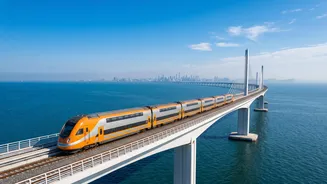
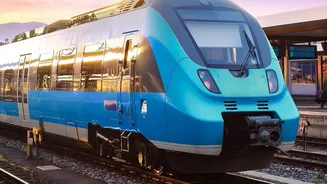
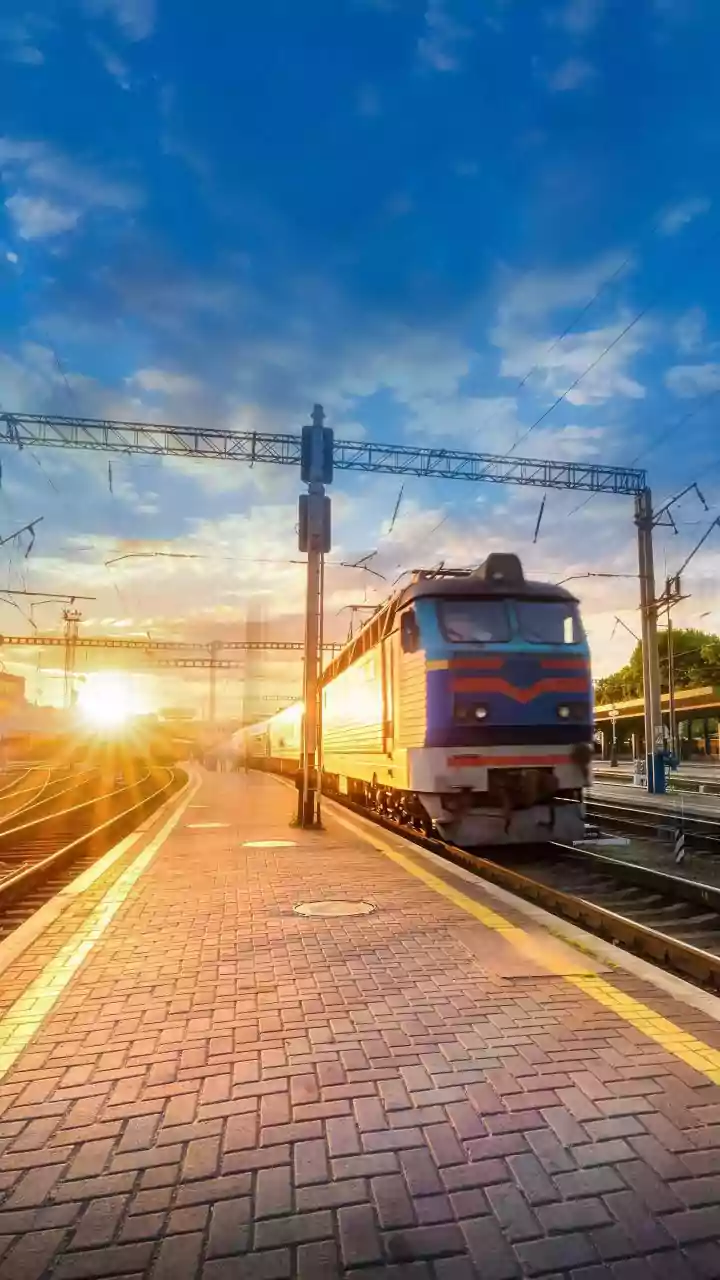
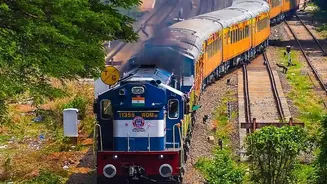
In a much-welcomed move, Central Railway has announced the operation of 418 special train services to clear the extra rush during the 2026 festive season, which includes Durga Puja, Diwali, and Chhath Puja. This initiative aims to provide confirmed berths to as many passengers as possible, directly addressing the surge in demand. These services will operate from major Mumbai terminals like Chhatrapati Shivaji Maharaj Terminus (CSMT) and Lokmanya Tilak Terminus (LTT), connecting the city to a host of destinations across the country. According to railway officials, the primary goal is to facilitate smooth and convenient travel for passengers during this peak period. Bookings for many of these special trains opened on September 27, 2026, and can be made through the IRCTC website and official reservation counters.
Connecting Mumbai to Key Destinations
The special services cover a wide range of popular routes, ensuring better connectivity for Mumbaikars. A significant number of services are being introduced for destinations in North India, including 64 daily special services between CSMT and Gorakhpur. Other key routes include bi-weekly services from LTT to Mau and Banaras. For those travelling south, weekly AC special services will run between CSMT and Chennai Beach, as well as CSMT and SMVT Bengaluru. Within Maharashtra, connectivity is also being boosted with 26 bi-weekly services between CSMT and Latur, and 12 weekly specials between CSMT and Kolhapur, and CSMT and Nagpur. These routes have been specifically chosen based on historical demand during the festival season.
More Than Just Extra Seats
The introduction of these additional trains does more than just provide extra seats; it represents a crucial piece of urban management. By absorbing a significant portion of the passenger load, these services can help alleviate the dangerous levels of overcrowding often seen on regular trains during festivals. This translates to safer and more comfortable journeys. Furthermore, by making train travel a more viable option, it can reduce the number of people resorting to road travel, potentially easing the notorious traffic jams on major highways like the Mumbai-Pune Expressway during the festive season. A more efficient and less stressful commute contributes directly to the well-being of passengers, reducing the 'steely fatigue' associated with travel during peak times.
A Boost for the Festive Economy
Enhanced mobility during Diwali has a direct positive impact on the economy. Easier travel encourages people to visit family, go shopping, and participate in festive activities, all of which fuel commercial transactions. Small businesses in hometowns benefit from the influx of visitors, and markets in Mumbai see increased footfall. The ability to travel home reliably and affordably is not just a matter of convenience; it's a social and economic enabler. It allows for the exchange of gifts and money, strengthening familial and community ties while also driving consumption. These special trains, therefore, are not just a logistical solution but an important contributor to the festive spirit and the economic activity that accompanies it.