



Jaipur is back in the global travel spotlight, having recently been named one of National Geographic's best destinations for 2027 as it nears its 300th anniversary. This new acclaim is turning heads and reminding the world of what makes the Pink City
timeless: its magnificent forts and palaces.
Amer Fort: The Crown Jewel
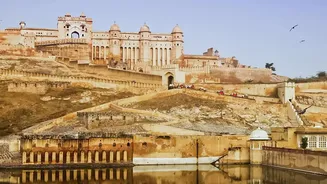
Perched atop a hill just 11 kilometres from the city centre, Amer Fort is the quintessential Jaipur landmark. First commissioned by Raja Man Singh I in 1592, its sprawling complex of courtyards, palaces, and gardens is a breathtaking blend of Rajput and Mughal architectural styles. The reflection of its red sandstone and marble walls in Maota Lake below is a sight to behold. Inside, the Sheesh Mahal, or Mirror Palace, is a must-see, with thousands of mirror tiles creating a dazzling effect. The fort was the capital of the Kachhwaha rulers for 150 years before the city of Jaipur was founded. It’s not just a monument but a living piece of history that continues to enchant millions of visitors.
Nahargarh Fort: The Sunset Sanctuary
For the most stunning panoramic views of Jaipur, Nahargarh Fort is the place to be. Built in 1734 by Maharaja Sawai Jai Singh II as a defensive stronghold and royal retreat, it stands on the edge of the Aravalli Hills, offering a dramatic backdrop, especially at sunset. The fort's main palace, Madhavendra Bhawan, features a series of interconnected suites for the king and his queens, adorned with delicate frescoes and murals. Today, it’s a popular spot for both locals and tourists who come to watch the city lights twinkle to life as evening descends. It also hosts a sculpture park and a wax museum, adding modern attractions to its historic charm.
Jaigarh Fort: The Guardian of Victory
Connected to Amer Fort through subterranean passages, Jaigarh Fort was built as a military stronghold to protect the main palace complex. Its rugged, formidable structure speaks to its primary purpose: defence. The fort’s most famous resident is the Jaivana cannon, which was the world's largest cannon on wheels at the time of its construction in 1720. Weighing 50 tonnes, this colossal piece of artillery is a testament to the engineering prowess of the time. While less ornate than its neighbours, Jaigarh offers a fascinating glimpse into the military history of the Rajputs and houses an impressive armoury museum.
City Palace: The Living Heart of Jaipur
Located in the centre of the old city, the City Palace has been the seat of the Maharaja of Jaipur since it was built by Sawai Jai Singh II. To this day, the royal family resides in a private wing of the palace. The complex is a magnificent fusion of Rajput, Mughal, and even European architectural styles, featuring grand courtyards, gardens, and buildings. Key highlights include the Mubarak Mahal, which now houses the Maharaja Sawai Man Singh II Museum, showcasing royal costumes and textiles, and the Armoury, which displays a well-preserved collection of weaponry. Visiting the City Palace offers a direct connection to the city's royal lineage and artistic traditions.
Hawa Mahal : The Palace of Winds
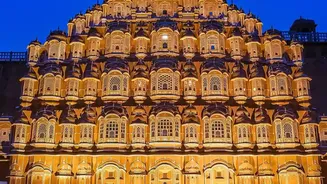
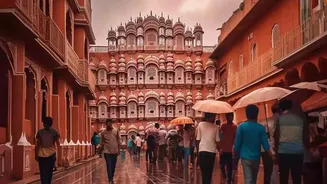
No trip to Jaipur is complete without seeing the iconic Hawa Mahal. This fivendstorey , pink sandstone facade is less a palace and more an architectural wonder. Built in 1799 by Maharaja Sawai Pratap Singh , its primary purpose was to allow the royal women to observe street festivals and daily life without being seen , adhering to the purdah system . The intricate honeycomb - like structure features 953 small windows , or 'jharokhas' , which also allowed for a natural cooling breeze to pass through — hence the name 'Palace of Winds' . A beautiful blend of Rajput and Mughal design , it remains one of the most photographed and recognized symbols of Jaipur.