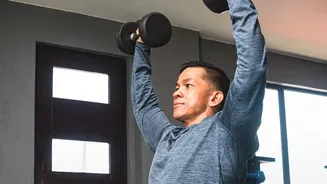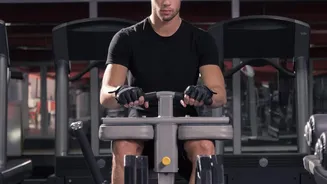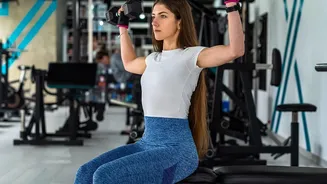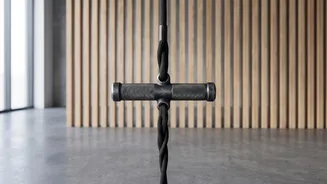





In our modern lives, we spend hours hunched over desks and phones, leading to poor posture and back pain. The seated row is a powerful, beginner-friendly exercise that directly counters this by building a strong and resilient back.
Why a Strong Back Matters
A strong back is the
foundation of a healthy, functional body. It’s not just about aesthetics; the muscles in your upper and middle back are crucial for maintaining good posture, which can alleviate neck and shoulder tension. A well-conditioned back supports your spine, reduces the risk of injury during daily activities like lifting or carrying groceries, and provides the stability needed for almost every other athletic movement. By strengthening the muscles that pull your shoulders back, you directly combat the forward slump that defines modern life, helping you stand taller and move with more confidence.
Anatomy of the Seated Row
The seated row is a compound exercise, meaning it works multiple muscle groups at once, making it highly efficient. The primary movers are the large muscles of the back. First are the latissimus dorsi, or 'lats', the wide muscles that span your mid and lower back, responsible for pulling your arms toward your body. Next are the rhomboids and middle trapezius, located between your shoulder blades. These muscles are key for scapular retraction—the motion of squeezing your shoulder blades together. Secondary muscles like the biceps, forearms, rear deltoids (back of the shoulders), and core also play an important supporting role.
How to Perform a Seated Row
Proper form is essential to maximize benefits and prevent injury. Follow these steps for a standard seated cable row: 1. Set Up: Sit on the machine's bench and place your feet firmly on the foot plates with a slight bend in your knees. Sit up tall with a neutral spine. 2. Grip: Grasp the handle with both hands. Your arms should be extended, and you should feel a light stretch in your back. 3. The Pull: Exhale and initiate the movement by pulling your shoulder blades together. Then, drive your elbows back past your torso, keeping them close to your body. Pull the handle towards your lower ribs or upper abdomen. 4. The Squeeze: At the peak of the movement, pause for a second and actively squeeze your back muscles. Imagine you're trying to pinch a pen between your shoulder blades. 5. The Return: Inhale and slowly extend your arms back to the starting position with control, allowing your shoulder blades to move forward without rounding your back.
Common Mistakes to Avoid
Poor form can shift the work away from your back and increase your risk of injury. Watch out for these common errors: Using Momentum: Avoid rocking your torso back and forth to lift the weight. This uses your lower back and momentum, not the target muscles. If you have to swing, the weight is too heavy. Rounding Your Back: Always keep your spine neutral and your chest up. Rounding your back, especially the lower portion, puts your spine at risk. Shrugging Your Shoulders: Keep your shoulders down and away from your ears. Shrugging engages the upper traps instead of the mid-back muscles. Pulling with the Arms: Focus on driving with your elbows and squeezing your back. If you feel it mostly in your biceps, you’re likely initiating the pull with your arms instead of your back.
Variations for Every Fitness Level
One of the best things about the row is its versatility. If you don't have access to a cable machine, you can still get a great back workout. Resistance Band Seated Row: Sit on the floor with your legs extended and loop a resistance band around your feet. Grab the ends of the band and perform the row just as you would on a machine. Dumbbell Rows: You can perform these in various ways, such as the single-arm dumbbell row (placing one knee and hand on a bench for support) or a chest-supported row (lying face down on an incline bench). These are great for addressing strength imbalances between your left and right sides. * Wide Grip Row: Using a long bar on the cable machine and a wider grip will shift the emphasis more to your upper back and rear deltoids.