




Understanding the Spectacle of Bonalu
Bonalu is an annual folk festival celebrated across Telangana, most famously in the twin cities of Hyderabad and Secunderabad, during the Hindu month of Ashadam (typically July and August). At its heart, it's a thanksgiving ceremony to the Goddess Mahakali
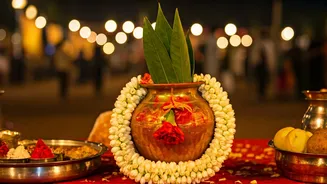
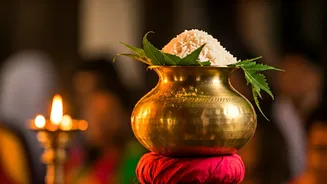
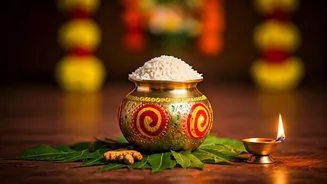
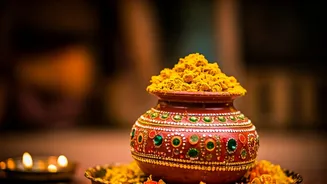
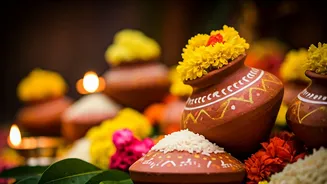
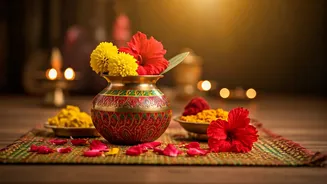
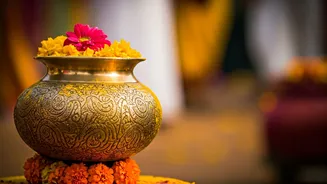
for her protection against disease and misfortune. The festival's name comes from 'Bonam', a Telugu word derived from 'Bhojanam', meaning meal. Women prepare a special offering of rice cooked with milk and jaggery in new earthen or brass pots. Adorned with turmeric, vermilion, and neem leaves, they carry these pots on their heads in vibrant processions to the temples, often accompanied by the rhythmic beats of drums. A key figure in these processions is the Pothuraju, the goddess's brother, a bare-chested man with turmeric on his body who dances frenetically, adding to the electrifying atmosphere.
The Festival's Month-Long Rhythm
A common mistake for visitors is assuming Bonalu is a single-day event. In reality, it is a month-long affair celebrated on Sundays, with the focus shifting across different parts of the city each week. The festivities traditionally kick off at the Jagadamba Temple atop Golconda Fort on the first Sunday of Ashadam. Subsequent Sundays see grand celebrations at major temples like the Ujjaini Mahakali Temple in Secunderabad and the Sri Mahankali Temple in Lal Darwaza in Hyderabad's Old City. For 2026, the main festival days are expected to fall on four Sundays: July 19, July 26, August 2, and August 9. This staggered schedule is the key to planning a more manageable visit.
What 'Last-Minute Chaos' Really Means
The advice to avoid the 'last-minute' rush specifically refers to the final, major celebrations, particularly in Secunderabad and the Old City of Hyderabad. On these days, lakhs of devotees descend upon the main temples. The result is a logistical challenge of immense proportions. Police enforce major traffic diversions, closing key roads and creating congestion within a radius of several kilometres from the main temples. Getting to a temple can involve significant walking through densely packed streets. Temple queues for darshan can stretch for hours, and the sheer volume of people can lead to safety concerns, including stampedes, pickpocketing, and harassment, which police actively monitor. While the energy is palpable, the sensory overload and physical crush of the crowd can be intensely stressful for someone unfamiliar with navigating such large-scale Indian festivals.
A Smarter Plan for Your First Visit
Instead of targeting the largest and final processions, consider a different approach. Attending the festival on one of the earlier Sundays, such as the opening celebration at Golconda Fort, can offer a more comfortable experience. The crowds are still significant but often more manageable than the final events. Another excellent strategy is to visit smaller, local temples throughout the city. Nearly every neighbourhood has its own Bonalu celebrations, which provide a more intimate and less overwhelming glimpse into the rituals. You can witness the same core traditions—the Bonam offerings, the festive attire, and the local processions—without the extreme crowds of the main temple events. This allows you to absorb the cultural richness of the festival at a more relaxed pace.
Practical Tips for a Safe and Enjoyable Day
Regardless of when or where you choose to go, a few tips will make your experience smoother. Dress modestly and respectfully, as this is a religious occasion; comfortable cottons are ideal for the weather. Wear comfortable footwear you can easily remove, as you'll be doing a lot of walking and will need to enter temples barefoot. Stay hydrated by carrying a water bottle. Be mindful of your belongings at all times in crowded areas. Rather than driving, use ride-sharing apps or public transport, but be prepared for drop-offs at a distance from the main event due to road closures. Finally, approach the festival with patience and an open mind. The goal is not just to see it, but to respectfully experience a cherished part of Telangana's cultural identity.