








The Golden Rule: Documents Are Everything
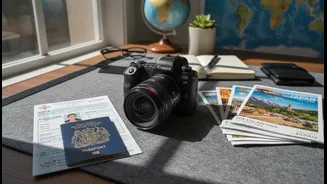
The Japanese visa process is less about luck and more about precision. Your application's strength lies entirely in your documentation. There is no visa-on-arrival for Indian citizens, so advance preparation is mandatory. The core checklist includes a valid
passport (with at least six months' validity and two blank pages), a completed application form, and recent passport-sized photos with a white background. Beyond these basics, you'll need confirmed return flight bookings and hotel reservations for your entire stay. An incomplete set of bookings is a common red flag. Finally, you must submit a detailed day-by-day itinerary. This isn’t a rough guide; it’s a mandatory document outlining your planned activities for the whole trip.
The Financial Proof Hurdle
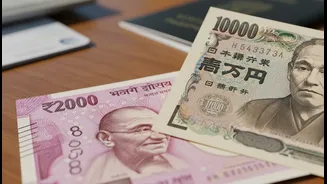
One of the biggest stumbling blocks for applicants is proving sufficient funds. The embassy wants to see that you can comfortably afford your trip without issue. This isn’t just about showing a large sum of money that appeared suddenly. Visa officers look for financial stability. You will need to provide your last three to six months of bank statements, which should be original and stamped by the bank. A healthy, stable balance is more convincing than a last-minute large deposit. Many successful applicants suggest a balance of at least ₹1.5 lakh to ₹2 lakh per person. In addition to bank statements, you must submit Income Tax Return (ITR) acknowledgements, typically for the last two or three years, to demonstrate a consistent income history.
Decoding the New e-Visa
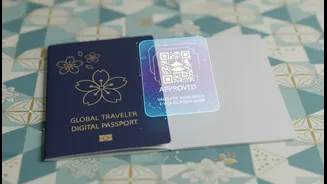
A significant update for Indian travellers is the introduction of the e-visa system. This allows for an online application for a single-entry tourist visa valid for up to 90 days. However, there's a crucial catch: Indian residents cannot apply directly on the main government portal. Instead, applications must be routed through designated visa application centres like VFS Global. While the application process becomes digital, you still work through the official partner. Once approved, you receive a 'visa issuance notice' electronically, which you must display on a mobile device at the airport in Japan; screenshots or printed copies are not accepted. For multiple-entry visas or other travel purposes like business, the traditional paper application process remains necessary.
Common Rejection Reasons and How to Avoid Them
Most Japan visa rejections are due to avoidable mistakes. The single most common reason is incomplete or inconsistent documentation. A mismatch between the names on your application, passport, and hotel bookings, or conflicting travel dates, can lead to a denial. Another major issue is a weak or unrealistic travel itinerary. A vague plan suggests a lack of genuine tourist intent. Insufficient financial proof, as mentioned earlier, is also a primary cause for rejection. Lastly, using fake or temporary flight and hotel bookings is a serious error that can result in immediate refusal and may impact future visa applications. The key is to be thorough, honest, and ensure every document is cross-checked for accuracy before submission.
The Application and Timeline
All applications, whether paper-based or e-visa, are submitted through VFS Global centres in India. You will need to book an appointment to submit your documents and potentially provide biometric data. The standard processing time is typically between 5 to 10 working days after the application reaches the embassy or consulate. However, this is just an estimate. During peak seasons like the cherry blossom period, processing can take longer. It is highly recommended to apply at least four to six weeks before your planned departure date to account for any potential delays. This buffer gives you peace of mind and time to handle any unexpected queries from the consulate.