








The Foundation: Documents and Visas
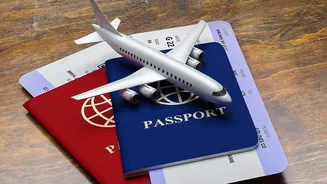
Before you even think about booking a flight, your first checkpoint is paperwork. The most common mistake first-time travellers make is related to their passport. Many countries require your passport to be valid for at least six months beyond your planned
date of return, not just unexpired. Check this the moment you start planning. Next, investigate visa requirements for your destination and any transit countries. Some nations offer visa-on-arrival for Indian passport holders, while others demand a lengthy application process. Always verify the latest rules on official embassy websites. Once approved, keep both digital and physical copies of your passport, visa, flight tickets, and hotel confirmations. Storing them in a cloud service and also having printouts in separate bags can be a lifesaver.
One Month Out: Health and Money
With your documents sorted, it's time to focus on health and finances. Consult your doctor about any recommended vaccinations for your destination. Purchase comprehensive travel insurance as soon as you book your trip; this is non-negotiable. A good policy covers medical emergencies, trip cancellations, and lost baggage, which can save you from financial ruin. On the money front, inform your banks about your travel dates to prevent them from freezing your cards due to suspected fraud. It's also wise to have a mix of payment options. Relying solely on one card is risky. Arrange for a forex card and carry a small amount of the local currency for immediate expenses like taxis or snacks upon arrival.
The Week Before: Smart Packing and Digital Prep
Overpacking is a classic rookie error that turns travel days into exhausting ordeals. The goal isn't to pack for every possibility but to create a versatile travel wardrobe. Opt for lightweight, mix-and-match clothing. Always pack a change of clothes, essential medications, and your valuable electronics in your carry-on luggage, just in case your checked bag gets delayed. This is also the time for your digital checklist. Download offline maps, your airline's app, and any translation tools you might need. Ensure you have a plan for mobile connectivity, whether it's an international roaming plan or an eSIM you can activate on arrival. Finally, charge all your devices, including power banks, which must be in your carry-on.
The Final 24 Hours: Last-Minute Sweep
The day before you fly is for final confirmations. Check in for your flight online, which typically opens 24 hours before departure. Double-check your flight time, terminal, and gate information. Run through your document folder one last time: passport, visa, boarding pass, and hotel confirmations. Make sure your wallet has your essential cards and the local currency you prepared. Share your complete itinerary with a trusted family member or friend back home as a safety measure. Finally, get a good night's sleep. Arriving at the airport rested is just as important as arriving on time. For international flights, the standard recommendation is to be at the airport at least three hours before your departure time to navigate check-in, baggage drop, security, and immigration without rushing.