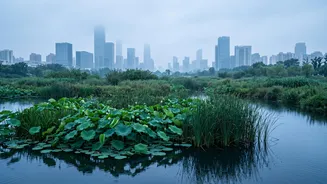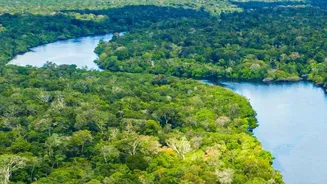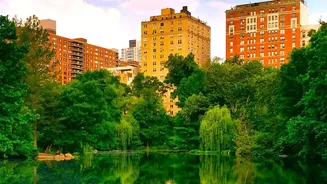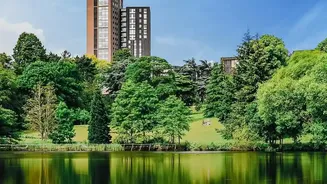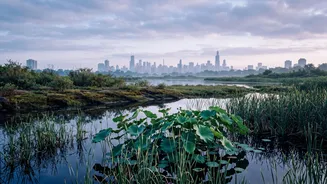



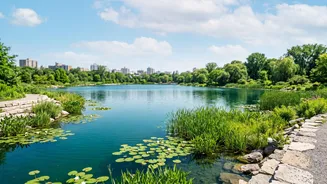

In the concrete sprawl of India’s booming metropolises, an unsung hero offers a solution to flooding, pollution, and a loss of connection to nature. Urban wetlands, often mistaken for wastelands, are in fact vital natural infrastructure.
Nature’s Kidneys and Sponges
Often called the
'kidneys' of an ecosystem, urban wetlands are master purifiers. In cities, they play a critical role by filtering pollutants from stormwater runoff and even treating sewage. The East Kolkata Wetlands, a Ramsar site of international importance, are a prime example. This 12,500-hectare ecosystem naturally processes a massive portion of Kolkata's daily sewage and wastewater, using sunlight and microorganisms to clean the water without expensive treatment plants. This process not only prevents pollution but also supports local livelihoods through fisheries and agriculture sustained by the nutrient-rich water. Beyond purification, wetlands act as giant sponges. During heavy monsoon rains, which increasingly overwhelm urban drainage systems, wetlands absorb and hold vast amounts of excess water, releasing it slowly. This natural flood control is a critical service for cities like Chennai and Kolkata, where rapid urbanisation and the loss of these natural buffers have been linked to more frequent and severe waterlogging.
Oases for Urban Biodiversity
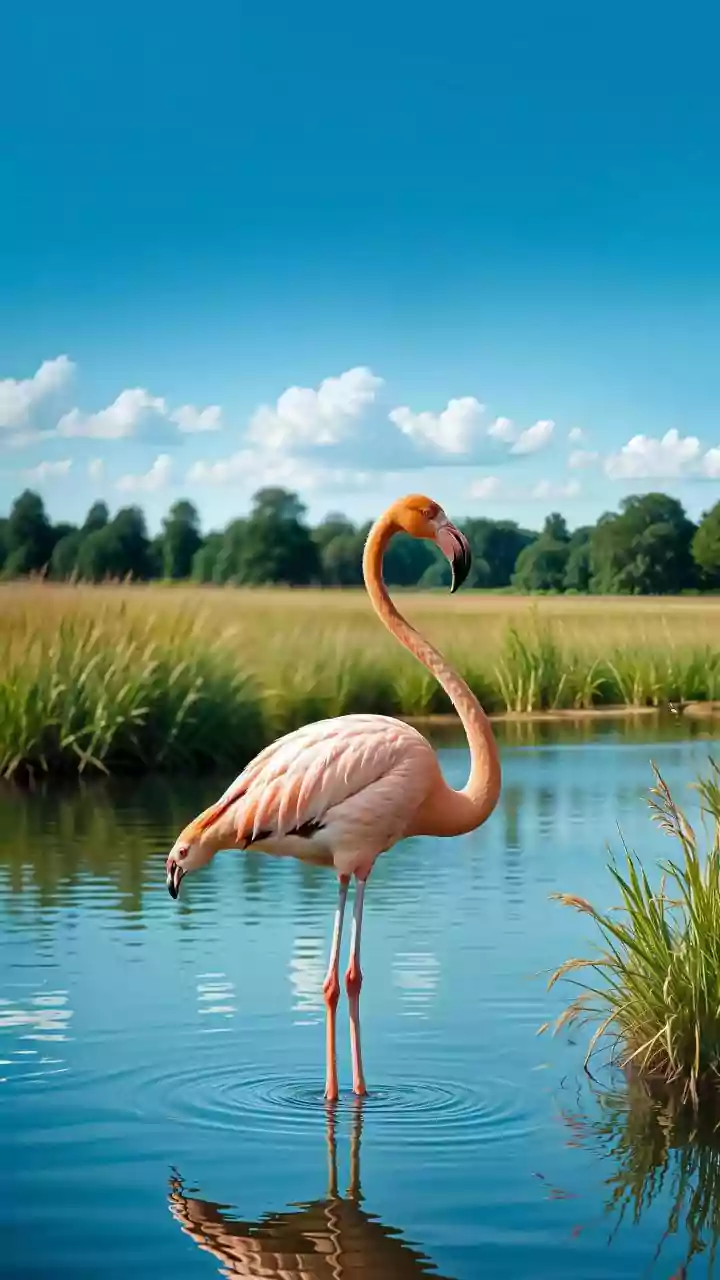
A city is more than its human population. Urban wetlands serve as crucial habitats for a surprising diversity of plant and animal life, creating biodiversity hotspots amidst the urban landscape. It's estimated that 40% of the world's species live or breed in wetlands. These areas provide food, water, and shelter for numerous species of birds, fish, amphibians, insects, and reptiles. The Pallikaranai Marsh in Chennai, another internationally significant wetland, supports over 100 species of birds, including migratory and endangered ones like the glossy ibis and greater flamingo. This biodiversity is not just for nature enthusiasts. A healthy, diverse ecosystem is more resilient and provides essential services. For instance, birds and insects are crucial for pollination, while the complex food web within a wetland helps maintain its own health and purifying functions. The presence of such thriving ecosystems offers invaluable opportunities for environmental education and research within the city limits.
Improving Health and Well-being
The benefits of urban wetlands extend directly to the quality of human life. These 'blue-green' spaces provide city dwellers with much-needed areas for recreation, relaxation, and connecting with nature. Studies have shown that access to natural environments like wetlands can improve mental and physical health, reducing stress and encouraging physical activity. They help moderate the urban heat island effect, offering a cooling respite from the heat absorbed by concrete and asphalt. The East Kolkata Wetlands, for example, not only manage waste but also improve local air quality by acting as a carbon sink. Furthermore, these ecosystems often have deep cultural significance and support local economies. The fisheries in Kolkata's wetlands provide thousands of tonnes of fish to the city's markets annually, while the surrounding land is used for vegetable farming, creating a unique waste-to-wealth cycle.
The Urgent Need for Protection
Despite their immense value, urban wetlands in India are under severe threat. Across the country, approximately 40% of wetland area has been lost over the last three decades, with urban centres like Mumbai and Chennai seeing even more drastic declines. Encroachment for real estate development, unchecked pollution from industrial and domestic waste, and a general lack of awareness are the primary drivers of this degradation. The shrinking of these vital ecosystems has a direct and measurable cost: increased flood risk, greater water scarcity, and a decline in biodiversity. Protecting these areas requires a concerted effort involving stronger enforcement of conservation laws, such as the Wetlands (Conservation and Management) Rules, and integrating wetland management into mainstream urban planning. Initiatives like creating 'sponge parks' that mimic wetland functions and public awareness campaigns are steps in the right direction.