




Why Your Coffee Got a Health Halo
The shift isn't happening in a vacuum. Indian consumers are increasingly trading simple refreshment for drinks that 'do' something. [26] Health awareness, amplified in recent years, means people now ask, “What does this do for me?” before they sip. [26] This
has pushed 'functional beverages'—drinks with added health benefits—from a niche market into the mainstream spotlight. [9] The demand for drinks that can boost energy, aid digestion, or support immunity is surging. [9] In fact, the market for functional beverages in India is growing, driven by urban Indians seeking natural solutions for the stresses of modern life. [25] Cafes, always a mirror of our social habits, are responding by serving up drinks that feel like both a treat and an act of self-care. [18]
The Rise of Mushroom Coffee
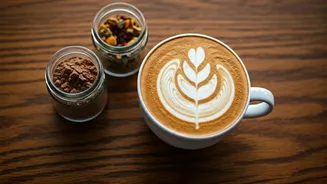
One of the most surprising new stars on the menu is mushroom coffee. [14] This isn't a portobello in your latte. It's a blend of regular coffee beans with powdered medicinal mushrooms like Lion's Mane, Chaga, and Reishi. [2] The appeal? Proponents claim it offers the focus and energy of coffee but without the dreaded jitters or afternoon crash. [3, 17] Lion’s Mane is linked to cognitive performance, while Chaga is praised for immune support and Reishi for its calming, stress-reducing properties. [3, 17] Once a niche product, mushroom coffee has gone mainstream, with social media discussions increasing over 12% in the past year alone as consumers seek out brain-boosting benefits. [2] It’s a way for coffee lovers to get their daily fix while adding a layer of wellness. [3]
Gut Feelings: Probiotics in a Cup
Gut health is another major wellness theme that has found its way into cafes. [13] The Indian market for probiotic drinks is expanding rapidly, expected to grow at a compound annual rate of over 16% between 2026 and 2034. [5] While India has a long cultural tradition of fermented foods like lassi and kanji, cafes are now commercialising this concept with modern twists. [4] You're now likely to find kombucha—a fermented, fizzy tea—on tap, alongside other probiotic beverages. [4] These drinks are sought after for their perceived benefits in promoting healthy gut bacteria. [5] The move is part of a broader consumer shift away from high-calorie sodas towards healthier, functional alternatives. [5, 4]
Adaptogens: Your New Stress-Buster
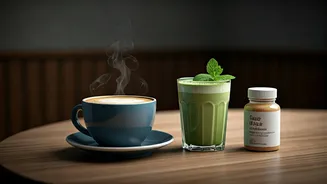
The term 'adaptogen' is becoming common cafe vocabulary. These are herbs, roots, and plants believed to help the body manage stress. [10, 8] Think Ashwagandha (Indian ginseng), Tulsi (holy basil), and Rhodiola. [19, 13] These are being added to everything from lattes to teas, offering a sense of calm and balance. [22] Combining adaptogens with caffeine is a popular trend, as they are thought to smooth out coffee's stimulating effects, reducing anxiety and preventing energy slumps. [10] With a deep history in Ayurvedic traditions, ingredients like Ashwagandha are familiar to Indian consumers, making their integration into modern cafe drinks a natural fit. [25]
Herbal Infusions Get a Modern Makeover
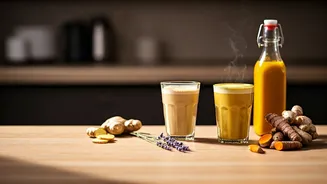
The humble herbal tea, or tisane, is also getting an upgrade. [24] No longer just a simple chamomile bag for a sleepless night, cafes are crafting complex, flavourful herbal infusions designed for specific benefits. [29] You might see blends with hibiscus for its antioxidant properties, ginger to aid digestion, or peppermint to relieve headaches. [24] These caffeine-free options are becoming popular evening choices for customers looking to wind down. [24] Cafes are using fresh, high-quality botanicals and even reinterpreting traditional Indian sharbats with modern, functional twists, moving far beyond being a simple alternative to coffee. [11, 28]