






The Rise of Performative Professionalism
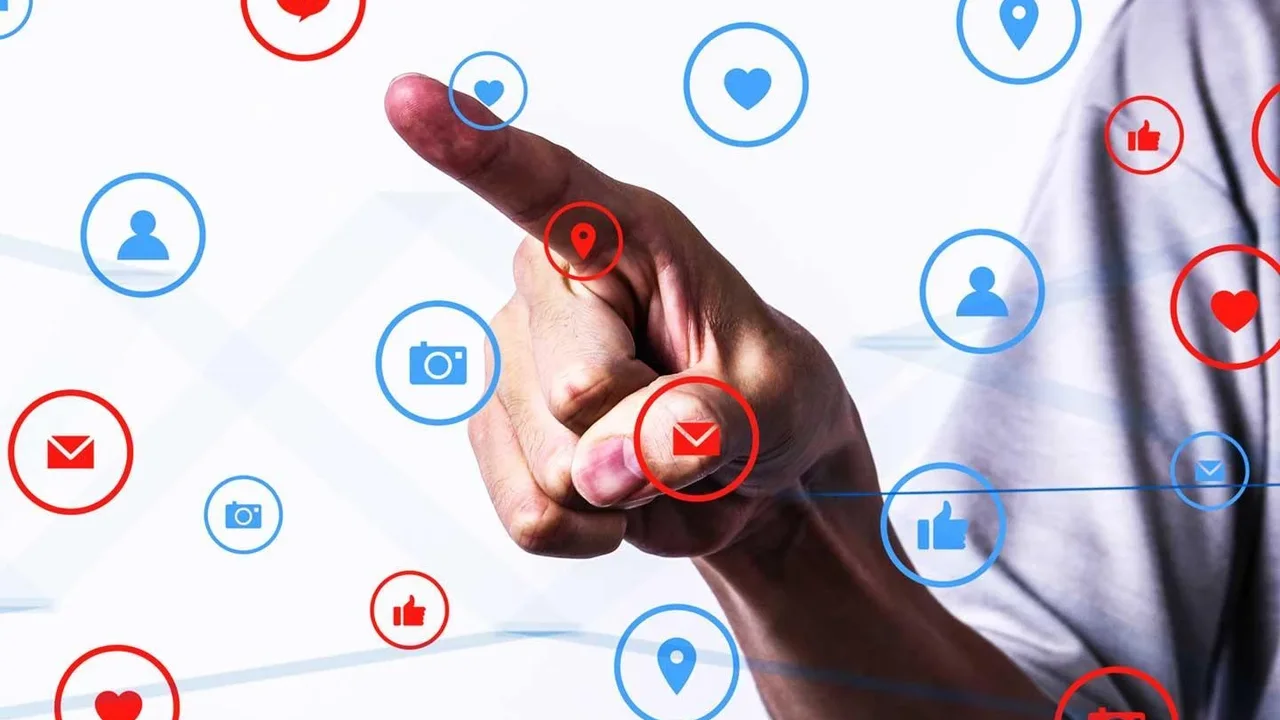
LinkedIn has evolved significantly from its origins as a digital resume and networking tool. It has become a full-fledged content platform where the feed is dominated by success stories, motivational quotes, and what some critics call 'performative work'.
This is the curated presentation of professional life, which often focuses on achievements and hustle culture, creating a sense of pressure and comparison. For many, the feed has become less about genuine connection and more about consuming a stream of self-promotion, leading to what is now being termed 'LinkedIn fatigue'. This constant exposure to the career highlights of others can create a feeling of inadequacy, prompting users to disengage for their own mental well-being.
From Networking Tool to Social Marketplace
The platform's fundamental nature has changed. What started as a social network for professionals is now described by some analysts as a 'social marketplace'. With over a billion members, the intimacy of its early days is gone. LinkedIn's business model, which relies on recruiters and salespeople paying for access, means users are often the product. This shift has led to an increase in unsolicited sales pitches and spammy connection requests, which degrades the user experience and trust on the platform. Many users feel the platform is no longer primarily for building relationships but has become another channel for advertising and lead generation, making genuine networking more difficult.
Content Overload and the AI Slop Problem
The sheer volume of content, much of it generic or low-quality, is another major factor driving users away. The rise of generative AI has flooded feeds with posts that, while polished, often lack real substance, experience, or insight. LinkedIn itself has acknowledged this issue, introducing a feedback option for users to flag content as 'AI slop' and penalizing posts that explicitly bait for engagement. Many professionals report that the feed feels homogenous, filled with the same recycled advice and templates, making it harder to find authentic and valuable industry conversations. This has led to a decline in the perceived value of time spent scrolling.
The Quiet Cutting of a Digital Habit
In response to this fatigue, many professionals are not deleting their profiles but are instead 'quietly cutting' their passive consumption. They are moving away from aimless scrolling and adopting more intentional habits. This includes limiting check-ins to a few times a week, focusing on direct messaging with key contacts, and engaging in smaller, more relevant groups. Some users are also making a conscious effort to 'train' their feed's algorithm by unfollowing or muting irrelevant posters and actively engaging with content they find valuable. This marks a transition from using LinkedIn as a source of passive entertainment to using it as a deliberate professional tool.
What This Means for Your Career
Does this trend mean LinkedIn is irrelevant? Far from it. The platform remains a powerful tool for job searching and professional visibility, with a massive number of decision-makers and recruiters active on the site. However, the way to use it effectively is changing. The focus is shifting from quantity of connections and time spent scrolling to the quality of interactions. For the modern professional, the key is not to abandon LinkedIn, but to manage it. This means curating your feed, prioritising meaningful engagement over passive likes, and treating your profile as a strategic asset rather than a social media page. The goal is to control the platform, not let it control you, ensuring it serves your career goals without becoming a source of stress or a waste of time.