
More Than Just Waste
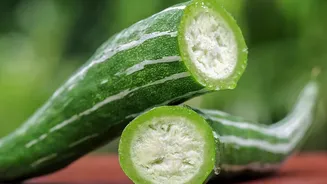
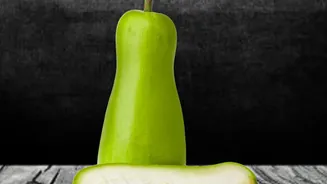
Before you dismiss the idea, consider what you are throwing away. The skin of the bottle gourd, or lauki, is a powerhouse of nutrients. It is packed with dietary fibre, which is essential for good digestion and gut health. Additionally, vegetable peels
often contain a higher concentration of vitamins, minerals, and antioxidants compared to the flesh. By using the peels, you are not only cutting down on your household food waste but also adding a significant nutritional boost to your diet. It represents a small but meaningful step towards a more sustainable and mindful way of cooking. Embracing this practice means getting the maximum value out of your produce, both for your health and for the environment. It’s a simple change that reframes 'waste' as a valuable ingredient waiting to be discovered.
From Scrap to Star Ingredient
The key to delicious peel-based dishes lies in the preparation. Start with a fresh, tender bottle gourd. Avoid any that look bruised, old, or have overly tough skin. The first and most crucial step is to wash the bottle gourd thoroughly under running water. Use a vegetable brush to scrub the surface gently to remove any dirt, residue, or pesticides. Once clean, peel the gourd as you normally would, but try to keep the peels relatively thick and uniform. If the peels are from a very mature gourd and seem exceptionally tough, you might want to reconsider, but for most young laukis, the peel is perfectly usable. This careful cleaning and selection process ensures that your final dish is not only tasty but also safe and hygienic to consume. It is the foundation upon which your culinary creation will be built.
The Kebab Recipe: A Step-By-Step Guide
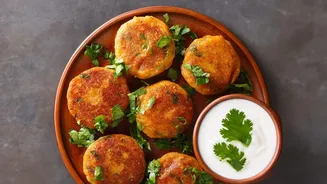
This recipe transforms bottle gourd peels into succulent, flavourful kebabs. You will need about two cups of bottle gourd peels, one boiled and mashed potato for binding, half a cup of gram flour (besan), one finely chopped onion, one chopped green chilli, a tablespoon of ginger-garlic paste, and spices like turmeric powder, red chilli powder, coriander powder, and garam masala to taste. Start by boiling the peels in salted water for about 5-7 minutes until they are tender. Drain them completely and either mince them finely or grind them into a coarse paste. In a large bowl, combine this paste with the mashed potato, chopped onion, green chilli, and ginger-garlic paste. Add the besan and all the powdered spices. Mix everything together until it forms a firm, pliable dough. If the mixture is too wet, add a little more besan. Let the mixture rest for about ten minutes.
Shaping and Cooking Your Kebabs
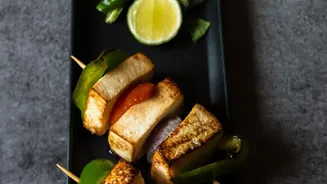
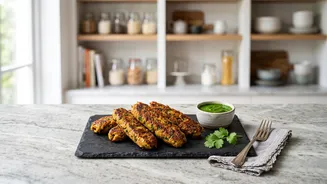
Once your kebab mixture is ready, it's time to shape and cook. Lightly grease your palms with oil to prevent the mixture from sticking. Take small portions of the dough and shape them into flat, round patties or oval tikkis, depending on your preference. Ensure they are of a uniform size for even cooking. You have a few options for cooking. For a classic, crispy exterior, shallow-fry the kebabs in a pan with a few tablespoons of oil over medium heat. Cook for 3-4 minutes on each side, or until they are golden brown and crisp. For a healthier alternative, you can bake them in a preheated oven or use an air fryer. Brush the kebabs lightly with oil and cook them at 180°C (350°F) for 15-20 minutes, flipping halfway through. This method yields a similarly delicious result with less oil.
Serving and Flavour Tips
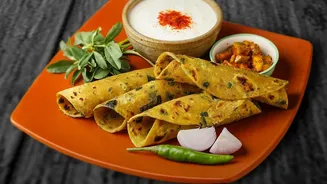
These bottle gourd peel kebabs are surprisingly versatile and pair wonderfully with a variety of accompaniments. Serve them hot as a starter or an evening snack with a side of tangy mint-coriander chutney or a sweet tamarind chutney. They also make a great filling for wraps and sandwiches, adding a nutritious and unique element to your meal. Don't be afraid to experiment with the spices. For a different flavour profile, consider adding a pinch of chaat masala for extra tang, some roasted cumin powder for a smoky aroma, or finely chopped mint leaves for a burst of freshness. The key is to balance the earthy taste of the peels with bright, aromatic spices. Getting the texture right is also important; if your mixture feels too soft, a tablespoon of rice flour or breadcrumbs can help create a crisper kebab.