







Start with the Right Foundation
Your first line of defence is the backpack itself. For ultimate peace of mind, consider investing in a dedicated anti-theft bag. Brands like Pacsafe build in features like slash-proof fabric and locking zippers that deter would-be thieves. If you're using
a standard backpack, choose one made of heavy-duty nylon with double zippers on the main compartments; single zippers are too easy to access and cannot be properly secured. Another simple but effective trick is to downplay the value of your contents. Avoid bags with prominent logos like 'Nikon' or 'Apple' that scream 'expensive gear inside'. A bit of duct tape or a patch can make a branded bag look less appealing to opportunistic thieves.
Master the Art of Locking
Locks are a simple deterrent that can make a huge difference. For double zippers, you can use anything from small padlocks to carabiners or even sturdy cable ties to fasten them together. This simple act makes your bag a less convenient target. For securing the entire bag, especially in places like hostels, bus terminals, or cafes, a retractable combination cable lock is invaluable. You can use it to anchor your backpack to a fixed object like a luggage rack, a bed frame, or even the leg of your chair, making it impossible for someone to simply walk away with it. This measure is less about creating an impenetrable fortress and more about encouraging a thief to move on to an easier target.
Embrace Smart Tracking Technology
In today's world, technology offers a powerful layer of security. Smart trackers like Apple AirTags or Tile devices are small, inexpensive, and can be a lifesaver if your bag goes missing. These devices use Bluetooth to connect to a vast network of other users' phones to pinpoint your bag's location, which you can see on a map in an app. While you can attach them to the outside, it’s far more secure to hide one inside your bag, perhaps in an internal pocket or sewn into the lining. This way, even if your bag is stolen, you have a chance of tracking its location and aiding in its recovery. They also provide peace of mind at the baggage carousel, as you'll know exactly when your bag has arrived.
Pack for Strategic Security
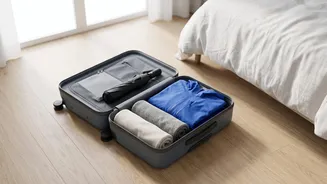
How you pack can be as important as what you pack in. Never put anything valuable in easily accessible outer pockets, as these are often the first target for thieves. Relegate those pockets to items you can afford to lose, like a rain poncho or snacks. Keep your most critical items—passport, wallet, phone, and essential documents—in the main compartment, preferably in a smaller pouch kept deep inside. Another pro tip is to have both an external and internal ID tag. The external one should have your phone number and email, while an internal one ensures that even if the outer tag is ripped off, there’s still a way for someone to identify you as the owner.
The Human Element: Situational Awareness
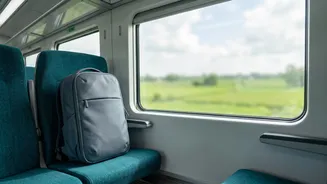
All the gear in the world can't replace good old-fashioned situational awareness. Be especially vigilant in crowded places like markets, train stations, and security checkpoints. When on a bus, try to sit on the same side as your stowed luggage and keep an eye on it at stops. In a hostel dorm, even if you use a locker, you might consider keeping your daypack with your laptop and passport in bed with you, perhaps with a strap around your arm. The key is not to be paranoid, but to be present. Don't make yourself an easy target. Most theft is opportunistic, and by simply paying attention and making your belongings slightly inconvenient to steal, you dramatically reduce your risk.